
That Thought You Almost Lost Could Be Your Next Big Idea
You’re driving back from a supplier meeting in Shah Alam when a pricing idea hits you. You run through the logic — it makes sense. Then a lorry cuts in front of you, you reach for your phone to jot it down, and the thought evaporates. By the time you’re parked outside your shop in Petaling Jaya, the spark is gone, and you’re left with the nagging feeling that you lost something valuable.
Every Malaysian business owner knows this scene. Between managing staff, chasing payments, and putting out daily fires, your best ideas arrive at inconvenient moments — and most of them disappear just as quickly. That’s exactly the problem a new wave of AI voice wearables is trying to solve, and one startup, Sandbar, believes the answer is a ring you talk to.
What Happened
AI notetaking hardware has exploded over the past couple of years, with credit-card-sized devices, pendants, pins, and transcribing earbuds all promising to capture your meetings and turn them into summaries and action items, according to TechCrunch. Now, a whole wave of wearables — rings especially — is betting that you also want to capture a stray thought the same way you capture a meeting.
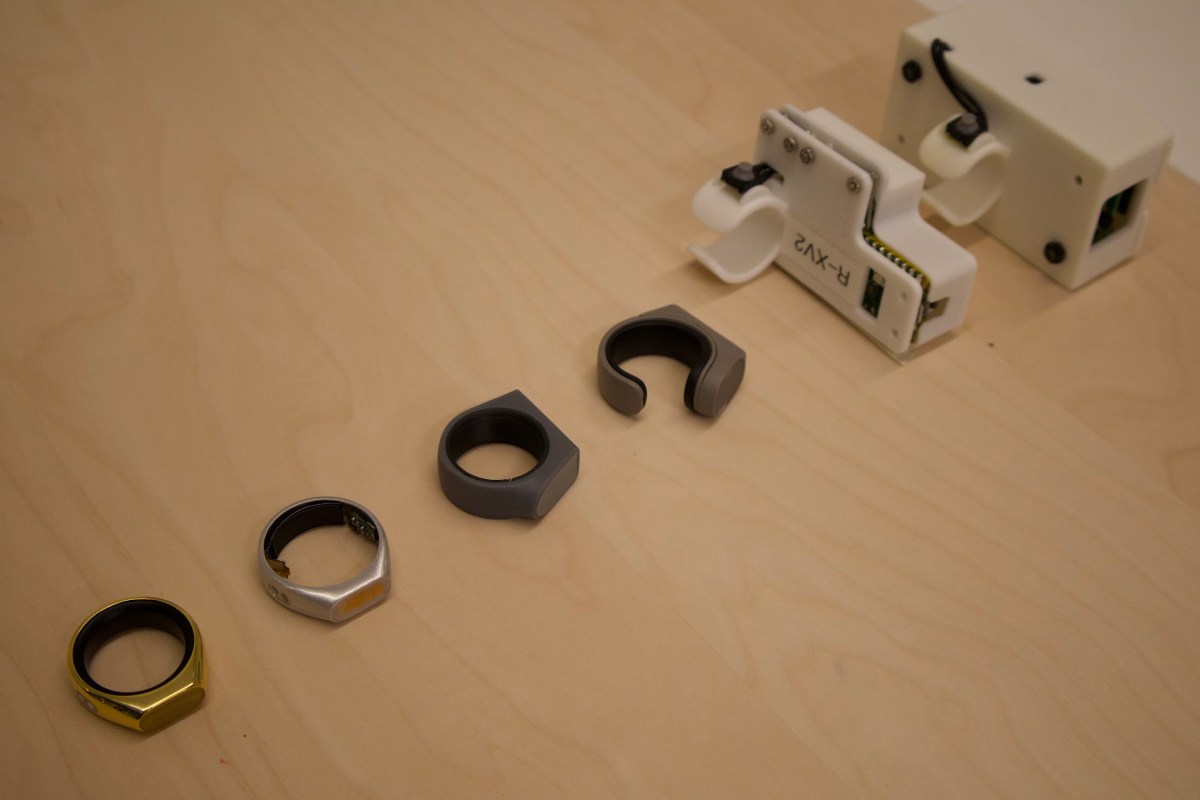
Sandbar, the startup behind the Stream voice ring, has raised $36 million to date, including a $23 million Series A led by Adjacent and Kindred Ventures. Co-founder and CEO Mina Fahmi told TechCrunch’s Equity podcast that earlier voice hardware devices struggled because they expected too much from users. They were clunky, they demanded you manage complex apps, and they didn’t give you a clear sense of when they were listening. His bet is that a private, straightforward form factor — a ring — makes capturing a thought as easy as speaking it out loud.
The key differentiator isn’t the technology, though. It’s the philosophy: the human stays firmly in control of when the device records, what it processes, and where that audio goes.
“Keeping the human firmly in control is what it’ll take to get wearable tech right.” — Mina Fahmi, Sandbar co-founder and CEO, via TechCrunch
Why This Matters for Malaysian SMEs
As the owner of a business with fewer than 50 employees, you wear every hat in the company. You’re the sales lead, the operations manager, and sometimes the accounts clerk. Your ideas don’t arrive during scheduled “creative time.” They arrive at 9:47 p.m. after the kids are asleep, while you’re lining up at the bank on a Friday afternoon, or mid-call with a client who casually mentions a problem you could solve — if only you could capture the thought before the conversation moves on. A wearable you can trigger with a simple command and a tap gives you that net for stray ideas.
Now factor in Malaysia’s traffic. Whether it’s the LDP at rush hour, the stretch of Jalan Tun Razak that never moves, or the crawl across town between two client meetings in Bangsar and Cheras, you spend hours every week in a car. Taking out your phone to type notes while driving is neither safe nor legal. A voice ring that lets you speak a thought and get back a clean summary and action items, hands-free and eyes-forward, fits the reality of how Malaysian business owners actually move through their day.
There’s also the trust factor. TechCrunch notes that earlier voice hardware devices struggled to break through, and Sandbar attributes much of that to users being uneasy about always-on recording. For you, that unease is even sharper: you handle client data, staff details, and business plans you don’t want leaking into an unclear system. A device designed around human control — where you decide what gets recorded and processed — is one you can realistically adopt for sensitive conversations with key clients, not just for casual brainstorming.
The Bigger Picture
Voice is the most natural interface humans have — faster than typing, more expressive than a text field. The real trend here isn’t a ring on a finger or a pin on a shirt. It’s that AI assistants are leaving the phone screen and moving onto your body. For Malaysian SMEs, that means the distance between “I had a thought” and “that thought is now captured, summarised, and turned into a follow-up task” keeps shrinking.
Will the Stream ring work perfectly in Bahasa Melayu, Mandarin, Tamil, or the Manglish you actually speak in daily business? Practically speaking, local language support will shape how fast this catches on here in Malaysia. But the direction is clear: the future of AI wearables is voice, and the products that win are the ones that respect your control while removing friction.
| Key Trend | What It Means for Your SME |
|---|---|
| Voice capture moves to wearables | Stray thoughts and meeting notes can be captured hands-free and turned into summaries and action items. |
| Human-in-the-loop design | You decide when the device listens — important when business conversations are confidential. |
| Rings as a form factor | No extra screen to stare at and nothing bulky to carry, which suits long drives and busy schedules. |
| AI wearables going mainstream | Early adopters who build a capture habit today will have a serious planning advantage tomorrow. |
The businesses that win in Malaysia over the next decade won’t necessarily have the flashiest AI tools. They’ll be the ones that capture every useful idea before it vanishes, follow through on every action item, and keep human judgment firmly in control. A ring that listens only when you need it is a small change with a surprisingly big impact on how you run your business.
Ready to Streamline Your Operations?
Technology moves fast. Your operations should keep up. AutoRunBiz builds AI systems that run your daily workflows — from WhatsApp order capture to accounting. Book a free 15-min ops audit →