
Why Tesla’s Cybercab Investigation Matters to Your Business
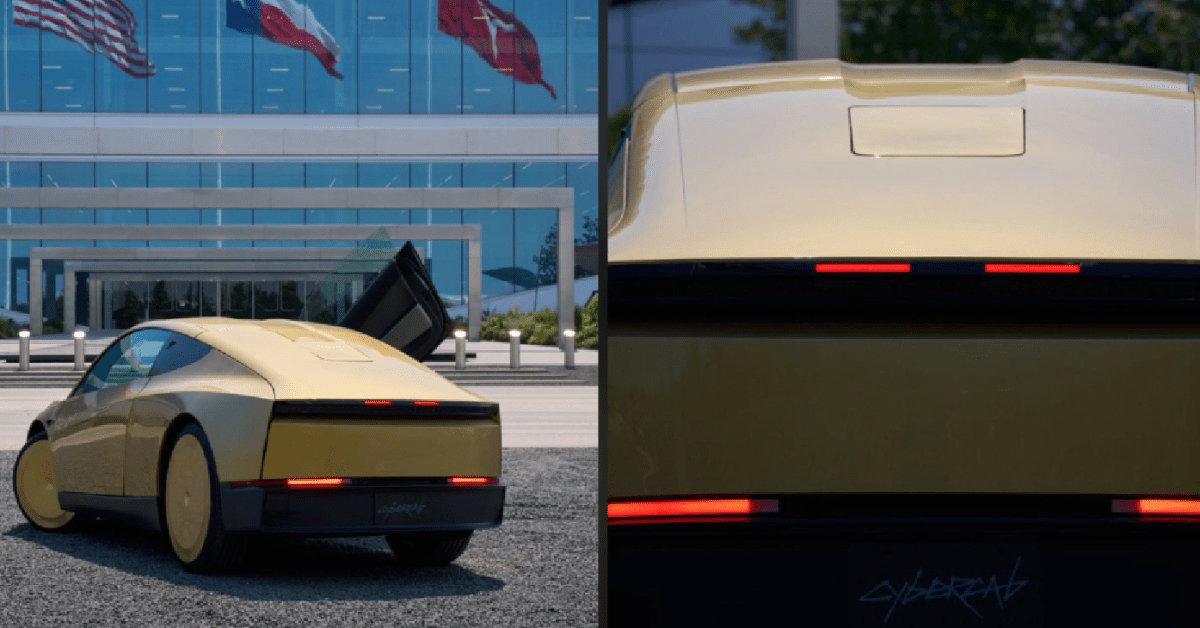
A driverless vehicle has entered commercial service in Austin, Texas, without a steering wheel, pedals or side mirrors. On the same day, the United States National Highway Traffic Safety Administration (NHTSA) opened an audit into how Tesla certified the vehicle for road use. The audit covers an estimated 1,000 Cybercab vehicles, according to Electrek.
For a Malaysian SME owner, this is not only a story about Tesla or robotaxis. It is a practical warning about introducing AI, automation and connected equipment into your operations. Whether you run a courier company, warehouse, factory, clinic, retail outlet or service business, new technology can create responsibilities that are not always obvious during the sales presentation.
The central lesson is simple: a technology provider may describe a system as compliant, safe or ready for deployment, but you still need to understand what has been tested, what assumptions were made and who carries responsibility when something goes wrong.
What Happened
Tesla began a limited commercial launch of its Cybercab robotaxi service in Austin. The vehicle is designed to operate without conventional driver controls. It has no steering wheel, pedals or mirrors, and passengers use Tesla’s robotaxi application to access the service. The launch reportedly began with a small group of shareholders and influencers before rides became more broadly available through the app, as described by Electrek.
NHTSA opened an “Open Audit Query”, numbered AQ26002, through its Office of Defects Investigation. The agency said the review was prompted by public information and would examine the process and technical data Tesla used to certify the Cybercab. A key issue is whether Tesla treated certain Federal Motor Vehicle Safety Standards as inapplicable because the vehicle does not have a human driver or traditional driving controls.
In the United States, vehicle manufacturers generally self-certify that their vehicles comply with federal safety standards rather than waiting for a regulator to approve each model before sale. This means the regulator can examine the manufacturer’s evidence after deployment. NHTSA is also reviewing other Tesla-related matters, including a Full Self-Driving investigation covering 3.2 million vehicles and crash information involving a Tesla remote operator, according to the source article.
For any business deploying automation, “the system is certified” is not the end of the conversation. You should ask: certified against which standard, based on what evidence and with what operating limits?
Why This Matters for Malaysian SMEs
Malaysia may not have Cybercabs operating widely today, but Malaysian businesses already depend on software and machines that make decisions with limited human intervention. A warehouse may use automated picking systems. A retailer may use AI cameras to monitor shelves. A logistics company may assign deliveries through an algorithm. A restaurant may rely on self-service ordering kiosks. A small manufacturer may use machine-vision software to identify defects.
Each system changes how work is performed and creates a new chain of responsibility. If an automated stock system sends the wrong item, if an AI camera wrongly flags a worker or customer, or if a delivery algorithm causes repeated delays, the business cannot simply point to the software vendor. You need a documented process for checking results, handling exceptions and escalating incidents.
The Cybercab case is especially relevant because it shows how older rules can struggle with new technology. Malaysian SMEs often face a similar issue internally. Your safety procedures may have been written for manual work, while your new tools operate differently. A chatbot may respond to customers at all hours. A robotic device may work faster than a human operator. A cloud platform may store sensitive customer information outside Malaysia. Existing policies may not clearly explain these situations.
You should therefore treat automation as an operational change, not merely an IT purchase. Before deployment, identify the affected people, customer data, equipment, workflows and legal obligations. Then decide where a human must remain in control and what happens when the system is unavailable or produces an unexpected result.
Practical checks for your next automation project
| Area | Questions you should ask |
|---|---|
| Safety | What could happen if the system makes a wrong decision, stops suddenly or receives bad input? |
| Compliance | Which Malaysian rules, industry requirements or contractual obligations apply? |
| Human oversight | Who can review, override or pause the system? |
| Evidence | Can the vendor show testing records, limitations, incident reports and update history? |
| Data | What information is collected, where is it stored and who can access it? |
| Continuity | What is your manual backup process if the software, internet connection or device fails? |
For a business with one to 50 employees, these controls do not need to be complicated. A shared register can record every automated system, its purpose, owner, vendor contact and known risks. A one-page incident form can capture what happened, when it happened, who was affected and what action was taken. A simple approval rule can prevent a new AI tool from being connected to customer or financial data without review.
The Bigger Picture
The Cybercab investigation highlights a broader transition from software that recommends actions to systems that directly perform them. A marketing tool can suggest an advertisement, but a driverless vehicle physically transports people. The closer technology gets to safety-critical activity, the more important validation, monitoring and accountability become.
This also affects Malaysian SMEs that are considering autonomous delivery, smart surveillance, industrial robots or AI-based customer decisions. You should not judge readiness solely by a polished demonstration or a successful pilot. Ask how the system behaves in heavy rain, poor connectivity, unusual customer requests, damaged stock, language misunderstandings and other local conditions.
For Malaysian operations, practical testing should include multilingual communication, inconsistent addresses, high humidity, power interruptions and changing staff skill levels. A system that performs well in a controlled overseas demonstration may require additional safeguards in a busy shop lot, mixed-use warehouse or rural delivery route.
Regulation will continue to develop as technology advances. The Malaysian government’s Ministry of Science, Technology and Innovation and Malaysian Communications and Multimedia Commission are among the public bodies businesses may need to monitor depending on their technology and industry. You should also check guidance from the relevant sector regulator, professional body and data protection authority before deploying systems that affect customers, workers or public safety.
The best approach is controlled adoption. Start with a narrow use case, define success and failure conditions, keep a human review point, and expand only after you have evidence from real operations. If a vendor cannot explain its system’s limits clearly, that is a warning sign—not a minor technical detail.
What You Can Do This Week
- List your automated tools. Include accounting platforms, customer service bots, cameras, scheduling systems and machinery.
- Identify the highest-risk process. Prioritise tools that affect safety, employment decisions, customer rights, personal data or physical movement.
- Ask vendors for documentation. Request testing methods, operating limits, security practices, update procedures and incident-handling responsibilities.
- Set a human override. Make sure a named employee can pause or review important automated actions.
- Keep an audit trail. Record important decisions, system changes and incidents so you can investigate problems later.
- Review after deployment. Schedule a monthly check during the pilot and adjust your process when real-world results differ from expectations.
Tesla’s Cybercab story is still developing, and the NHTSA audit may produce further findings. The immediate takeaway for you is not to avoid AI or automation. It is to deploy these tools with the same discipline you would apply to any equipment that can affect people, customers or business continuity.
Automation should reduce avoidable work while making accountability clearer. If you know what the system does, where it can fail and who is responsible for the next action, your SME will be in a much stronger position to adopt new technology safely and confidently.
Ready to Streamline Your Operations?
Technology moves fast. Your operations should keep up. AutoRunBiz builds AI systems that run your daily workflows — from WhatsApp order capture to accounting. Book a free 15-min ops audit →