
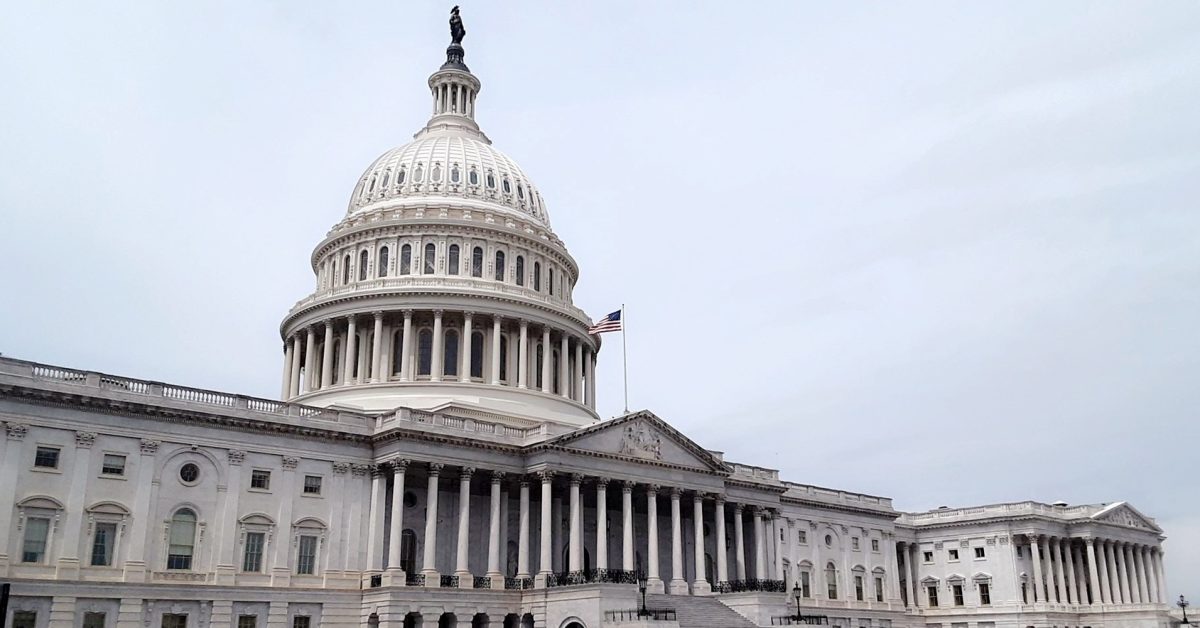
Why a U.S. EV Debate Matters to Your Business
A political fight in Washington may seem far removed from your shop, factory, logistics operation or service company in Malaysia. However, the debate over whether governments should restrict foreign electric vehicles (EVs) carries a useful lesson for every Malaysian SME: blocking competition can delay change, but it rarely removes the change itself.
The source article reports that the Alliance for Automotive Innovation, a major United States automotive industry lobby group, urged Congress to support stronger restrictions on Chinese vehicles, even though Chinese EVs already face a 100% or higher tariff in the United States and additional connected-car rules. Source: Electrek The argument has attracted criticism because it appears to protect established manufacturers from competition instead of compelling them to improve products, operations and customer experience.
For you, the important issue is not choosing sides in U.S. trade politics. It is recognising what happens when an industry responds to new technology mainly by asking for protection. Malaysian SMEs face similar pressure whenever automation, artificial intelligence, digital platforms or overseas competitors change customer expectations.
What Happened
According to the article, the U.S. auto lobby is backing proposed legislation that could prevent Chinese EVs from being sold or even driven on American roads. The proposed restrictions could also affect companies with partial Chinese ownership, potentially creating complications for international brands with complex ownership structures. Source: Electrek
The article contrasts this approach with China’s rapid development of EV manufacturing, battery supply chains and automotive startups. It states that China has become the world’s leading vehicle exporter and that Chinese automakers are producing affordable EVs that are receiving international attention. Source: Electrek The central criticism is straightforward: instead of competing through better design, faster development and more attractive products, established players may be seeking rules that limit what customers can access.
The article also compares this situation with the U.S. response to Japanese automotive competition in the 1970s. It argues that protectionist measures may provide temporary breathing room, but they do not replace the need to improve quality, production systems and innovation. Source: Electrek
Why This Matters for Malaysian SMEs
Malaysia is connected to global supply chains, imported technology and international consumer trends. Even if a particular EV model is not available locally, the technology behind it can influence delivery fleets, ride-hailing services, workshops, property developments and industrial transport. More importantly, the same pattern appears in other sectors: a new competitor enters with faster software, a simpler process or a more convenient customer journey, while established businesses debate whether the new option should be restricted.
Consider a Malaysian SME operating a delivery fleet. A business that waits for perfect certainty before reviewing EVs, route optimisation or fleet-monitoring software may lose operational knowledge while competitors learn. You do not need to replace every vehicle immediately. You can begin by tracking daily mileage, idle time, maintenance incidents, charging requirements and delivery delays. That information lets you decide based on your own operating conditions rather than headlines.
The lesson also applies to AI tools. A small accounting firm, retailer or distributor may be tempted to dismiss automated document processing, customer-service assistants or forecasting tools because larger providers are using them. Yet your competitors may already be applying these systems to reply faster, reduce manual data entry and identify repeat customers. The technology does not need to be perfect to change customer expectations.
| Trend from the EV debate | Practical SME response |
|---|---|
| Competition is being restricted instead of matched | Benchmark your service against the best available alternatives |
| Product development is moving quickly | Run small pilots before making major operational decisions |
| Technology changes customer expectations | Track response time, convenience and reliability regularly |
| Supply chains are becoming strategic | Maintain more than one supplier and document dependencies |
| Rules may change across markets | Keep contracts, data practices and vendor ownership information clear |
What You Can Do Now
First, separate protection from preparation. You cannot control whether another country introduces tariffs, safety rules or data restrictions. You can control how dependent your business is on a single supplier, platform or vehicle type. Create a simple technology-risk register listing the tools and vendors your business relies on, the information they hold, and what happens if access is interrupted.
Second, test technology through contained projects. A Malaysian retailer could use an AI-assisted system to draft product descriptions while a staff member checks every output. A workshop could digitise service histories and use search tools to retrieve previous repairs. A distributor could automate order-status messages through an approved business messaging system. These projects create evidence without forcing your entire operation to change at once.
Third, compete on your own strengths. A small Malaysian business cannot always match a multinational company’s production volume. You can still win through local knowledge, faster decisions, Bahasa Malaysia or multilingual support, after-sales attention and flexible service. Technology should strengthen those advantages instead of replacing the relationship that customers value.
“The question for a small business is not whether every new technology is ready. It is whether your competitors and customers are already moving faster than you.”
The Bigger Picture
The EV dispute reflects a wider transition in global business. Established industries often understand that a new technology is arriving, but their existing processes, assets and revenue models make change uncomfortable. That tension now appears in transport, energy, retail, finance, manufacturing and office work.
Government rules have a legitimate role in safety, privacy, cybersecurity and fair competition. Businesses should not ignore those concerns. However, rules designed mainly to shield incumbents can reduce customer choice and delay improvements. For SMEs, this creates a warning: waiting for regulation to protect an old way of working is not a dependable business strategy.
Instead, build a habit of practical experimentation. Review one process each quarter. Ask where customers experience delay, where staff repeat the same data entry and where errors occur. Then test one improvement, measure the result and decide whether to expand it. Keep human approval for sensitive decisions, especially those involving personal data, employment, credit or safety.
The U.S. EV debate is therefore relevant to you because it shows how quickly competitive pressure can become a policy argument. Whether the technology is an electric vehicle, an AI workflow or a digital sales channel, your strongest protection is not isolation. It is the ability to learn, adapt and serve customers better before the market forces you to do so.
Ready to Streamline Your Operations?
Technology moves fast. Your operations should keep up. AutoRunBiz builds AI systems that run your daily workflows — from WhatsApp order capture to accounting. Book a free 15-min ops audit →