
Why Safer Transport Matters to Your Business
If your employees travel for client meetings, site visits, late shifts, or company events, transport safety is part of your business responsibility. A staff member who feels uneasy booking a ride alone may arrive late, avoid certain assignments, or decline work that requires travel. For customers, visitors, and business partners, the transport experience can also influence how professional and considerate your company appears.
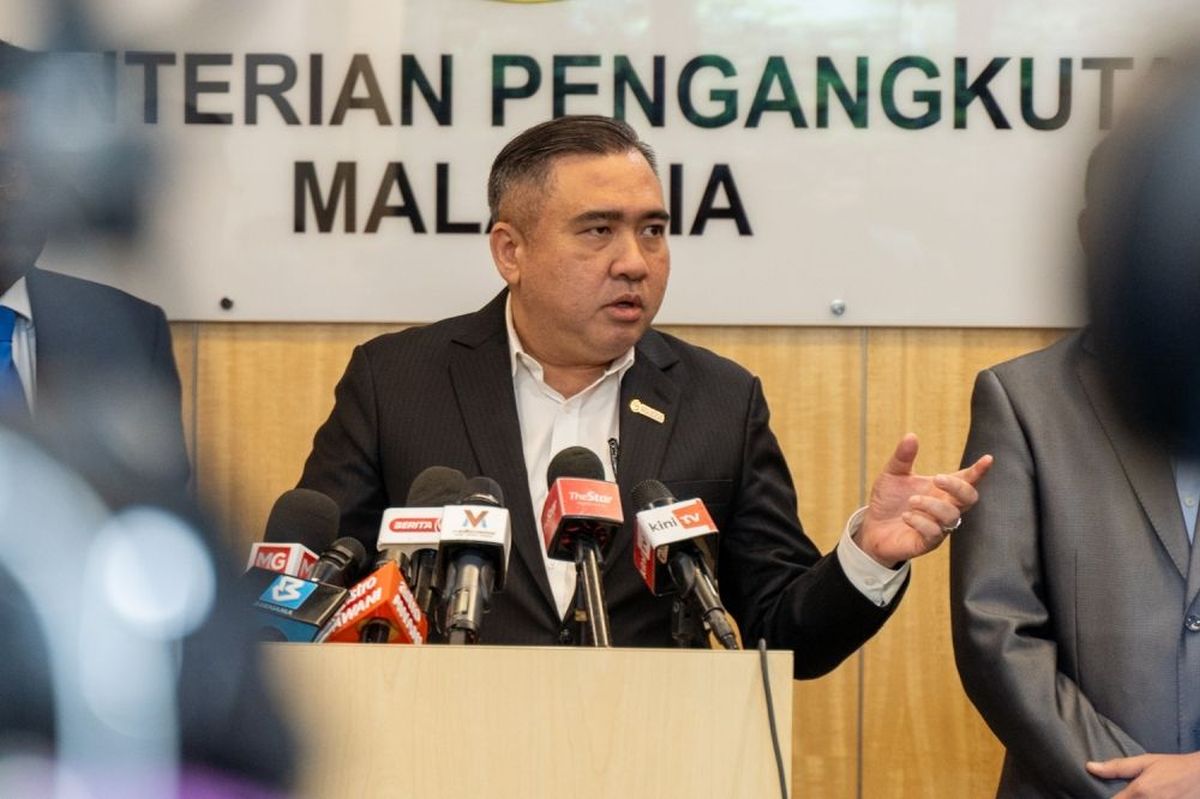
Malaysia’s Transport Ministry has encouraged e-hailing platforms to offer women-only ride options and urged Grab to expand its existing choices, according to SoyaCincau’s report. For an SME, this is more than a transport-app update. It is a reminder to review how your business manages employee travel, especially when women staff members travel alone or work outside normal office hours.
TL;DR
Women-only e-hailing options could give your female employees another choice when travelling for work, but availability, waiting times, and coverage may vary.
Update your travel policy, ask employees what support they need, and create simple procedures for booking, sharing trip details, and responding to delays or safety concerns.
What This Means
A women-only ride option generally aims to match female passengers with female drivers, where the platform has enough participating drivers and the service is available. The exact features depend on the e-hailing company. Some services may allow a passenger to request a woman driver, while others may create a broader women-focused category or booking preference.
You should treat this as an optional safety choice, not as a guaranteed service. A booking may still depend on driver availability, location, time, and the platform’s operating rules. If no suitable driver is available, your employee may need to choose another ride option or wait longer.
The policy discussion also points to a wider issue: transport arrangements affect access to work. If a woman employee has concerns about travelling alone at night, your business may need to consider alternative arrangements, such as adjusting meeting times, allowing remote participation, arranging group travel, or assigning a colleague to accompany her.
A safer transport policy is not about controlling how employees travel; it is about giving them practical choices when work requires them to move around.
How This Applies to Malaysian SMEs
1. Client visits and sales appointments. A sales executive may need to visit a customer in an industrial area, office tower, showroom, or construction site. If she must travel alone, especially before sunrise or after working hours, a women-only ride preference could provide an additional option. You can support this by including transport preferences in the assignment process instead of asking about safety only after a problem occurs.
Before confirming an appointment, check whether the location is easy to reach, whether the employee has a reliable return option, and whether the meeting can be scheduled during ordinary operating hours. Your sales team should also know who to contact if the booking is cancelled, the driver cannot find the pickup point, or the meeting runs late.
2. Retail, hospitality, and shift-based operations. Restaurants, clinics, salons, tuition centres, convenience stores, and retail outlets often have employees finishing at different times. A staff member may be comfortable travelling during the day but feel less confident leaving after closing. A women-only ride option may help in some locations, but it should not be your only safeguard.
Build a closing routine around the employee’s actual journey. For example, supervisors can confirm that the ride has arrived, avoid requiring staff to wait alone outside, and let employees share trip details with a trusted contact. Where several employees finish together, consider a group departure procedure rather than expecting each person to solve the journey independently.
3. Business travel for events and training. SMEs frequently send employees to trade shows, workshops, supplier meetings, and networking sessions. These events may end later than expected, and the venue may be in an unfamiliar part of town. Add a transport section to your event checklist: pickup location, approved booking method, emergency contact, and what to do if the scheduled ride is unavailable.
If employees are travelling from different areas, allow them to coordinate rather than imposing one rigid arrangement. One person may prefer a women-only ride, another may travel with a colleague, and someone else may use public transport. A practical policy recognises these differences while keeping basic safety procedures consistent.
4. Recruitment and retention. Transport concerns can affect whether candidates accept jobs and whether existing employees remain in roles that require travel. You should not make promises about a women-only service that the platform cannot guarantee. However, explaining your company’s travel support clearly during recruitment can show that you have considered the practical realities of the job.
Ask employees for feedback through a short, anonymous form. Find out which journeys create the most concern: late-night travel, isolated pickup points, unfamiliar locations, or long waits. Use those responses to improve scheduling and procedures rather than making assumptions about what everyone needs.
Useful Numbers for a Simple SME Travel Policy
The figures below are practical internal targets, not official requirements. They help you turn a general safety intention into a repeatable process.
| Policy area | Suggested SME practice | What to record |
|---|---|---|
| Travel check-in | Confirm departure and arrival for higher-risk journeys | Time, destination, and contact person |
| Late-work notice | Notify a supervisor when work extends beyond normal hours | Expected finish time and transport plan |
| Escalation window | Follow up when a staff member does not confirm arrival | Attempts made and action taken |
| Policy review | Review travel procedures every 6 months | Feedback, incidents, and process changes |
Practical Takeaways
- Ask employees whether they want women-only ride options where available; do not assume one solution suits everyone.
- Record the official booking method and keep the relevant platform support contact in your internal travel guide.
- Share the pickup point clearly, especially at malls, hospitals, airports, factories, and large event venues.
- Encourage employees to verify the vehicle and driver details before entering the ride.
- Allow staff to share trip information with a trusted colleague or family member.
- Set a clear procedure for cancelled bookings, unexpected route changes, or a driver who cannot be identified.
- Avoid making employees wait alone outside after closing when a safer indoor waiting area is available.
- Offer practical alternatives, such as changing the meeting time, joining remotely, or travelling with a colleague.
- Keep any incident report factual and confidential, and avoid blaming the employee for a transport problem.
- Review whether your policy works for part-time staff, interns, contract workers, and employees with mobility needs.
A Simple Workflow You Can Put in Place
Start with a one-page travel procedure. First, the employee tells the supervisor where and when the journey will take place. Second, the employee chooses an approved transport option, including a women-only preference if available and suitable. Third, the employee shares the booking details with a designated contact. Fourth, the employee confirms arrival for trips identified as requiring extra attention. Finally, the supervisor records any issue so the process can be improved.
Keep the workflow simple enough for a small team to follow through a messaging app, shared form, or internal task list. You do not need a complicated system to create consistency. What matters is that everyone knows the steps, the responsible person, and the response when something goes wrong.
The Bigger Picture
The discussion around women-only e-hailing options reflects a broader change in how businesses think about employee experience. Transport is not separate from operations. It affects attendance, scheduling, customer service, staff confidence, and the range of work assignments employees can accept.
For Malaysian SMEs, the sensible approach is to combine platform features with good management practice. A women-only ride option may be useful, but it cannot replace sensible scheduling, clear communication, suitable pickup locations, and a proper response process. Availability may also differ between urban centres, suburbs, industrial zones, and smaller towns.
As transport platforms introduce more booking preferences, businesses will have more ways to support different employee needs. Your role is to monitor which options are genuinely available in the areas where your team works, then build them into a practical policy. Start by asking your staff, documenting common travel problems, and fixing the journeys that create the most difficulty.
That small review can make your business more organised, more considerate, and better prepared when work takes employees beyond the office.
Ready to Streamline Your Operations?
Your business should run itself. AutoRunBiz deploys AI agents to automate your daily operations — WhatsApp orders, invoicing, customer follow-ups, and accounting. Book a free 15-min ops audit to see where automation fits your business →