
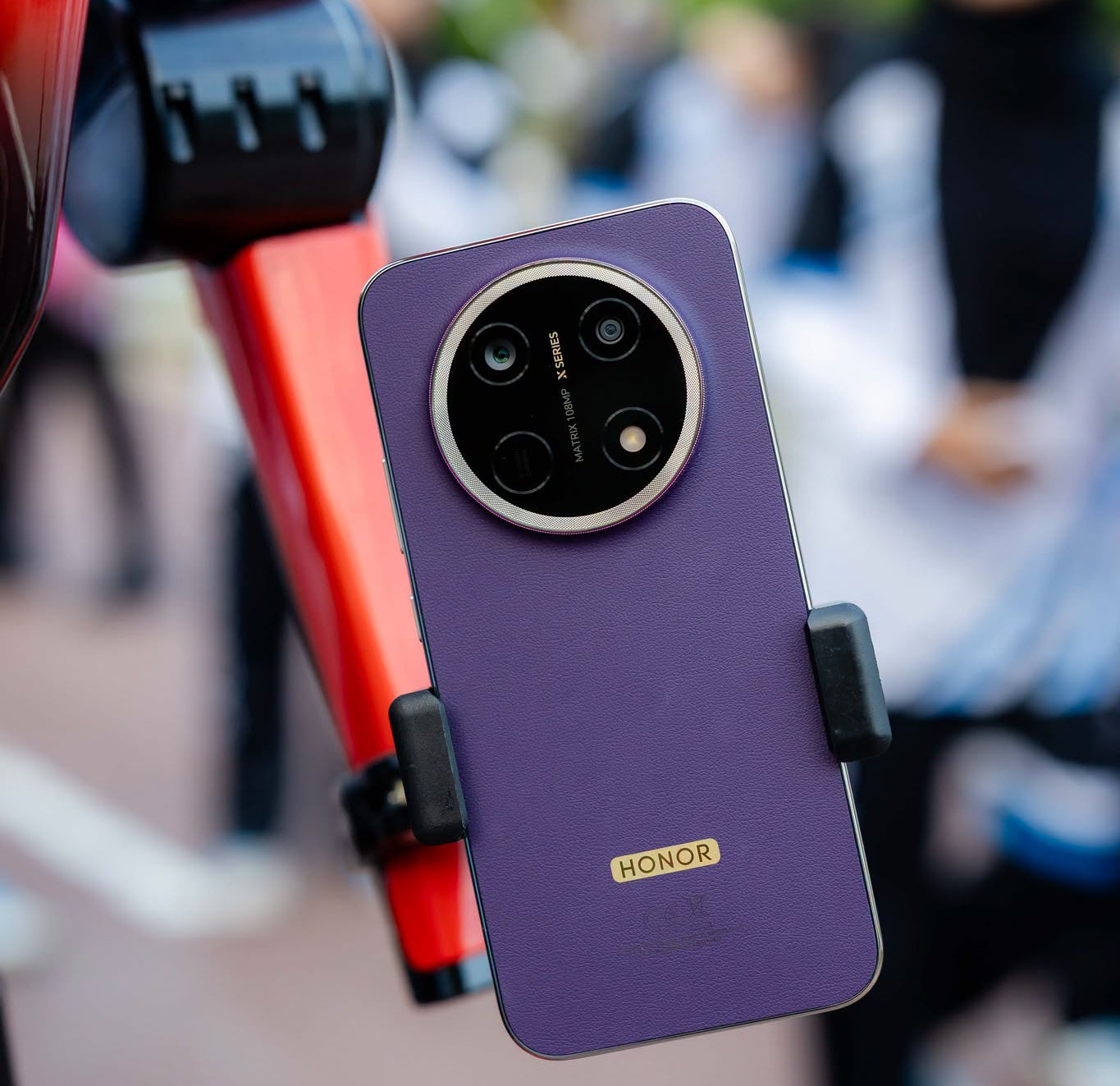
When Your Business Depends on a Phone That Can Keep Up
If you run a Malaysian SME, your smartphone is probably more than a device for calls. You use it to reply to customers on WhatsApp, approve documents, check delivery updates, post on social media, join meetings, scan receipts and coordinate staff while moving between the shop, warehouse, client site and home.
That creates a practical problem: your phone must survive busy workdays. A weak battery can interrupt customer replies. A fragile build can become a serious disruption after one drop. Limited water resistance is also inconvenient when you work outdoors, near food preparation areas, at construction sites or during Malaysia’s frequent rain.
The upcoming HONOR X9e Pro launch in Malaysia highlights three features that matter to working business owners: a bigger battery, a tougher build and improved water resistance. These are not simply technical specifications. They are about reducing interruptions during the hours when your business is operating.
TL;DR
A phone with longer battery life and stronger protection can help you stay reachable throughout mobile-heavy workdays.
Before choosing any business device, match its durability, connectivity and battery performance to how your team actually works—not just how the specification sheet looks.
What This Means
The HONOR X9e Pro is expected to arrive in Malaysia with a larger battery, a tougher physical design and improved water resistance, according to the source article published by SoyaCincau on 7 September 2026. The article identifies these as key improvements for the upcoming model: read the full source report.
A bigger battery means your phone may remain useful for longer between charging sessions. That matters when you spend much of the day outside your office or move between appointments. It can support activities such as navigation, video calls, product photography, hotspot use and messaging without requiring you to search for a socket at every stop.
A tougher build is about handling everyday accidents. Phones are often placed on counters, carried in pockets with keys, used in vehicles and passed between staff. A more durable design may help the device withstand the ordinary knocks associated with business operations. It does not mean the phone is indestructible, so protective habits still matter.
Improved water resistance is useful when your working environment involves rain, spills, humidity or splashes. A phone used by a café supervisor, site coordinator, delivery operator or event team faces different risks from one kept permanently at a desk. You should still check the exact protection rating and usage conditions before relying on it around water.
| Feature highlighted | Business situation | What to check before adoption |
|---|---|---|
| Bigger battery | Long days away from a desk, navigation, hotspot use and video calls | Real-world battery testing, charging speed and standby performance |
| Tougher build | Frequent movement, vehicle use, counter work and shared devices | Materials, screen protection, case compatibility and warranty terms |
| Improved water resistance | Outdoor work, rain, food preparation and delivery operations | Official rating, liquid limitations and manufacturer guidance |
The table is a decision framework rather than a claim about unconfirmed specifications. You should review the official Malaysian specifications when HONOR announces the model locally.
How This Applies to Malaysian SMEs
For retail and food businesses, reliability supports faster customer service. Your team may use a phone to answer online orders, confirm stock, photograph products, process social media enquiries and coordinate pickups. A larger battery can reduce the risk of losing access during a long shift, while improved water resistance may be useful near drinks, sinks, kitchens or outdoor stalls. Assigning a suitable device to the staff member handling customer communication can also prevent important messages from being tied to one owner’s personal phone.
For contractors, property teams and field-service businesses, durability becomes part of workflow planning. Your staff may check drawings, record before-and-after photos, communicate with suppliers and update customers from a worksite. Dust, accidental drops, changing weather and constant movement can place more strain on a phone than office use. A tougher device may be a sensible option for site coordinators, provided you also issue a protective case, define proper handling and back up business information.
For delivery, logistics and mobile sales teams, battery performance affects coordination. Drivers and representatives may depend on maps, calls, customer messages, proof-of-delivery photos and mobile data throughout the day. A phone that needs fewer charging breaks can make scheduling easier. However, the device should be paired with a clear charging routine in vehicles or at dispatch points, because no battery replaces basic operational discipline.
For professional services, the benefit is continuity rather than ruggedness. A consultant, insurance agent, trainer or property negotiator may move between meetings and client locations. The phone becomes a portable office for calendars, documents, video meetings and authentication. A stronger build and longer battery can help, but you should also assess screen readability, camera quality, storage, software support and compatibility with your business applications.
For small teams, standardising devices can simplify support. If every staff member uses a different model, troubleshooting becomes slower and accessories may not be interchangeable. You do not need to give everyone the same phone immediately. Start by identifying roles that are heavily dependent on mobile work, then test one device with those users. Their feedback will be more useful than a purchase decision based only on specifications.
The right business phone is not the one with the longest specification list; it is the one that keeps the right employee productive in the conditions where work actually happens.
Practical Takeaways for Your Business
- Map mobile tasks. List what each role does on a phone: calls, messaging, navigation, photos, scanning, payments, meetings or hotspot use.
- Identify interruption points. Note when staff usually lose access because of low battery, damaged screens, poor connectivity or forgotten chargers.
- Separate office and field requirements. Desk-based employees may prioritise display and software compatibility, while mobile staff may need endurance and physical protection.
- Check the official Malaysian specification. Confirm the battery capacity, protection rating, network support, storage options and warranty details after the local launch announcement.
- Test your essential apps. Install your accounting, inventory, messaging, delivery, banking and authentication applications before wider deployment.
- Create a charging routine. Use assigned charging points in the office, vehicles or dispatch area so staff do not rely on last-minute charging.
- Protect business data. Turn on screen locks, enable automatic updates, use secure backups and remove access promptly when a staff member leaves.
- Use cases and screen protection. Durability features reduce risk but do not replace physical protection, especially for phones used on worksites.
- Run a short pilot. Give one or two employees the device for a normal work cycle and record battery, app performance, comfort and durability feedback.
Questions to Ask Before You Choose
Ask how long the phone needs to last during a normal shift, not just under light usage. Consider whether your team spends time in vehicles, under direct sunlight, in rain or around liquids. Check whether the phone supports the mobile network and business applications your staff already use. Also confirm how your business will handle replacements, repairs, backups and access control.
Do not overlook employee behaviour. A phone can have a strong build and still be damaged if staff leave it loose in a vehicle or place it beside liquids. Include simple rules in your device policy: use a case, report damage quickly, avoid sharing passcodes and store business files in approved systems rather than only on the device.
The Bigger Picture
Small businesses are becoming more mobile by necessity. Customer conversations, operations, marketing and administration increasingly happen away from a fixed desk. That means device selection is slowly becoming an operations decision, not just an IT purchase.
The HONOR X9e Pro’s focus on battery life, physical toughness and water resistance reflects a broader expectation: business phones must fit real working environments. Malaysian SMEs often operate across shops, homes, vehicles, warehouses, construction sites and outdoor locations. A phone designed for longer and less predictable working conditions may support that flexibility.
Still, hardware is only one part of the result. Your business gains more from a reliable device when it is connected to clear processes: shared customer records, controlled access, regular backups, defined communication channels and documented replacement procedures. Without those basics, a better phone may only hide workflow weaknesses for a while.
When HONOR confirms the Malaysian launch details, evaluate the X9e Pro against your actual workday. Ask which employee would benefit most, which tasks are currently interrupted and what evidence you need from a pilot. That approach will help you make a practical decision based on business continuity rather than excitement about a new device.
Ready to Streamline Your Operations?
Your business should run itself. AutoRunBiz deploys AI agents to automate your daily operations — WhatsApp orders, invoicing, customer follow-ups, and accounting. Book a free 15-min ops audit to see where automation fits your business →