
When an EV Fire Risk Reaches Your Business
If you run a shop, office, workshop, warehouse, homestay, or small factory, fire protection is probably built around familiar risks: wiring faults, cooking equipment, gas cylinders, machinery, and stored goods. Electric vehicles add another issue that deserves your attention, especially if your premises has a car park, charging point, delivery fleet, or employees who charge vehicles nearby.
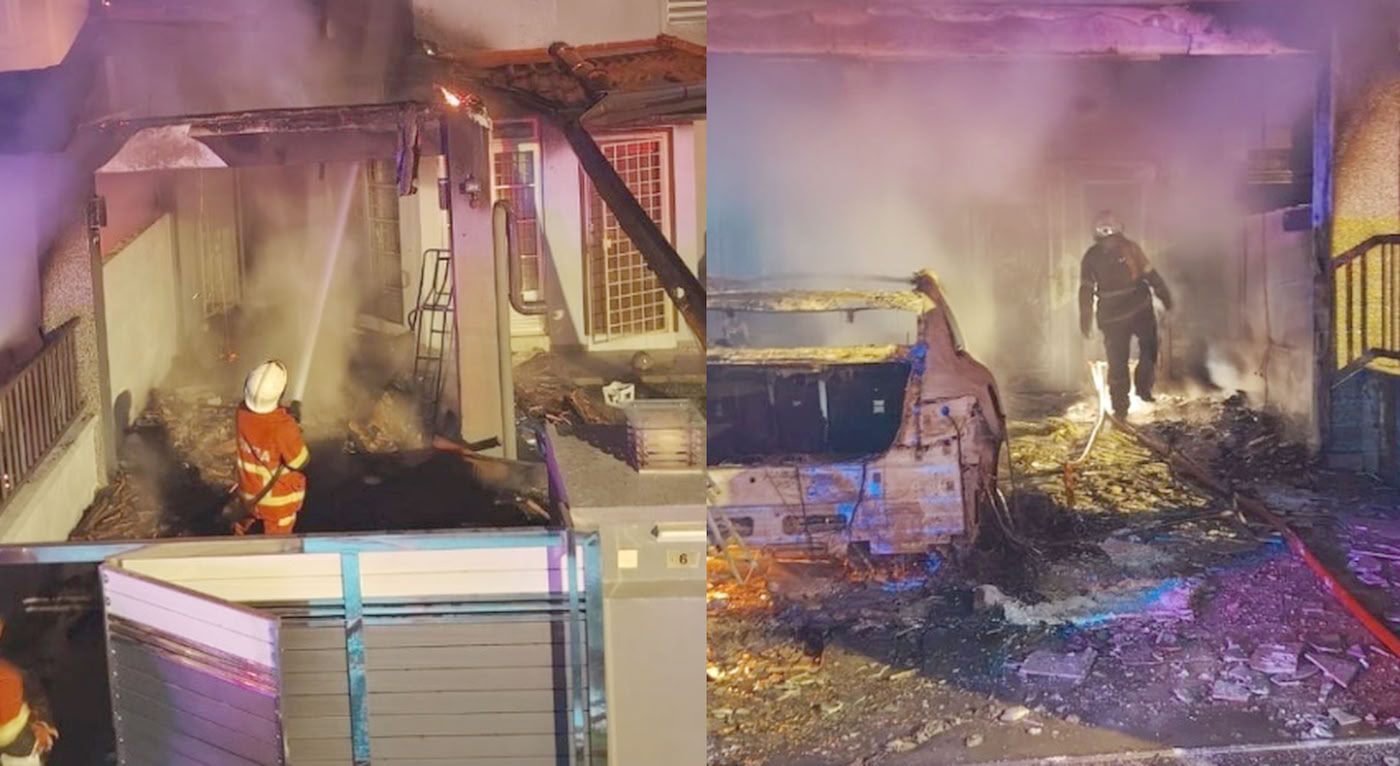
The concern is not simply whether an electric vehicle can catch fire. Your bigger question is what happens to your building, stock, equipment, records, neighbouring units, and business operations if a vehicle fire starts in or near your premises. A recent report on an EV-related fire in Alam Damai, Cheras prompted Malaysian insurers to clarify how property and motor cover may respond. Read the source report.
TL;DR: Do not assume your existing insurance automatically covers every EV charging or fire scenario. Check the wording, disclose charging arrangements, separate motor and property responsibilities, and document sensible safety controls.
For an SME, the practical lesson is simple: treat EV charging as part of your premises risk management, not merely as a vehicle matter.
What This Means
Insurance usually follows the object and policy involved. A motor policy may address damage to the insured vehicle, while a commercial property or fire policy may address damage to buildings, fixtures, stock, and business contents. If an EV fire spreads from a vehicle into a building, several policies may become relevant, and the outcome depends on the exact wording, exclusions, declarations, and circumstances.
This distinction matters because business owners often think, “The vehicle is insured, so everything nearby is protected.” That assumption may be wrong. A motor policy does not necessarily replace damaged stock, cover business interruption, or pay for building repairs. Likewise, your property policy may contain requirements concerning electrical installations, hazardous activities, storage, security, or changes in how the premises is used.
Charging equipment introduces another layer. A permanently installed charger may be treated differently from a portable charging cable. A charger fitted by an approved contractor may be viewed differently from an improvised extension lead. Charging in a designated, ventilated area may create a different risk profile from charging beside cartons, chemicals, fabric, or customer vehicles.
Key insight: Your protection depends not only on owning insurance, but also on whether your insurer knows how your premises is being used and whether your safety controls match that use.
How This Applies to Malaysian SMEs
Retail shops and offices: If you operate from a strata commercial building, you may have employees, customers, tenants, or delivery riders charging vehicles in a shared car park. Speak with your building management about where charging is allowed, who maintains the electrical points, and how a fire incident would be reported. Keep your own business policy focused on the contents and operations you control, while confirming what the building’s master policy covers. If a charger is installed near your entrance or loading area, make sure it does not block emergency access or sit beside combustible displays.
Workshops, logistics firms, and service businesses: Your exposure is higher if you manage several vehicles, conduct repairs, store batteries, or charge vans overnight. Create a written charging procedure. It should identify approved charging points, inspection responsibilities, prohibited equipment, emergency contacts, and rules for damaged vehicles. A vehicle involved in a collision or showing battery damage should not be treated like an ordinary vehicle awaiting repair. Escalate it to the manufacturer, qualified technician, insurer, or relevant emergency service.
Warehouses and small factories: You may already have fire safety requirements for forklifts, machinery, packaging, solvents, and electrical panels. Adding EV charging changes the layout and possibly the inspection routine. Keep chargers away from stacked goods and maintain clear access around electrical equipment. Review whether smoke detection, extinguishing equipment, evacuation arrangements, and emergency signage remain suitable. Do not assume a general fire extinguisher solves every battery-related incident; ask a qualified fire safety professional what equipment and response plan fit your site.
Restaurants, hotels, and homestays: Guests may arrive with EVs and ask to charge overnight. Avoid allowing ad hoc charging from indoor sockets, rooms, corridors, or unauthorised extension cables. Establish a clear guest policy and communicate it during booking or check-in. If you provide charging, use equipment installed and maintained for that purpose, record who is responsible for it, and notify your insurer about the arrangement. A small hospitality business may also need to consider the effect of smoke, evacuation, guest claims, and temporary closure after an incident.
Property owners and landlords: If you rent units to SMEs, write down who may install chargers, who obtains approval, who maintains them, and who pays for damage caused by poor installation or misuse. Ask tenants to disclose fleet charging, battery storage, or repair activities before approving changes. This creates a clearer record and reduces confusion when multiple businesses share a building.
A Simple Risk Review for Your Premises
| Area to review | Questions to ask | Action for you |
|---|---|---|
| Charging location | Is charging away from stock, exits, and other vehicles? | Mark an approved charging area and keep it clear. |
| Electrical installation | Was the charger installed and checked by a qualified person? | Keep installation and inspection records. |
| Insurance wording | Does your policy address building, contents, vehicles, and interruption separately? | Ask your broker or insurer for written clarification. |
| Emergency response | Do staff know what to do if smoke, heat, damage, or alarms appear? | Put a short procedure beside the charger and train staff. |
| Third-party exposure | Could a fire affect customers, tenants, neighbours, or shared areas? | Confirm responsibilities with the landlord or building manager. |
Practical Takeaways
- List every charging activity: Include company vehicles, staff vehicles, customer charging, delivery vehicles, and portable chargers.
- Tell your insurer or broker: Describe the charger type, location, operating hours, number of vehicles, and any battery storage.
- Read exclusions carefully: Pay attention to electrical faults, unauthorised alterations, unattended charging, hazardous storage, and business interruption conditions.
- Keep documents together: Store charger approvals, installation records, maintenance notes, photographs, policy schedules, and inspection reports.
- Control damaged vehicles: Do not park collision-damaged or visibly swollen-battery vehicles beside your building or stock without professional guidance.
- Train your team: Staff should know how to raise an alarm, evacuate, contact emergency services, and preserve the scene for insurers.
- Review neighbouring risks: Ask building management whether other tenants store batteries, operate workshops, or charge fleets nearby.
- Record incidents promptly: Photograph damage, preserve receipts and logs, and notify relevant parties according to policy conditions.
Use this quick internal checklist every quarter:
- Has the charging location changed?
- Has the number of EVs increased?
- Has anyone introduced a new cable, adapter, battery, or charging routine?
- Are fire exits, access lanes, and electrical panels still unobstructed?
- Have your insurance details and emergency contacts been reviewed?
Why Documentation Matters
When an incident occurs, memories differ and assumptions create delays. A simple written procedure shows what your business allowed, what it prohibited, and what checks were completed. Keep a charging register with the date, vehicle identification, charger used, start and end time, and any unusual observation. You do not need complex software; a controlled spreadsheet or shared form can provide a useful trail.
You can also automate reminders for inspection dates, policy renewals, staff training, and document reviews. The purpose is not to create paperwork for its own sake. It is to ensure that safety tasks do not depend on one busy employee remembering them.
The Bigger Picture
EV adoption will affect more than vehicle ownership. It will influence building rules, electrical capacity, parking design, fleet operations, landlord agreements, emergency planning, and insurance conversations. Malaysian SMEs that deal with the issue early can make deliberate decisions about where charging happens and who is responsible for each risk.
The long-term approach is to connect three areas: safe operations, clear insurance disclosure, and reliable records. None of these removes all risk, but together they make your business better prepared and easier to assess after an incident.
Start with one practical conversation this week: contact your insurer, broker, landlord, or building manager and describe exactly how EVs are charged at your premises. Ask what is covered, what must be disclosed, and what conditions apply. Then turn the answers into a short procedure your team can follow.
That small step can prevent a large misunderstanding when your business needs protection most.
Ready to Streamline Your Operations?
Your business should run itself. AutoRunBiz deploys AI agents to automate your daily operations — WhatsApp orders, invoicing, customer follow-ups, and accounting. Book a free 15-min ops audit to see where automation fits your business →