
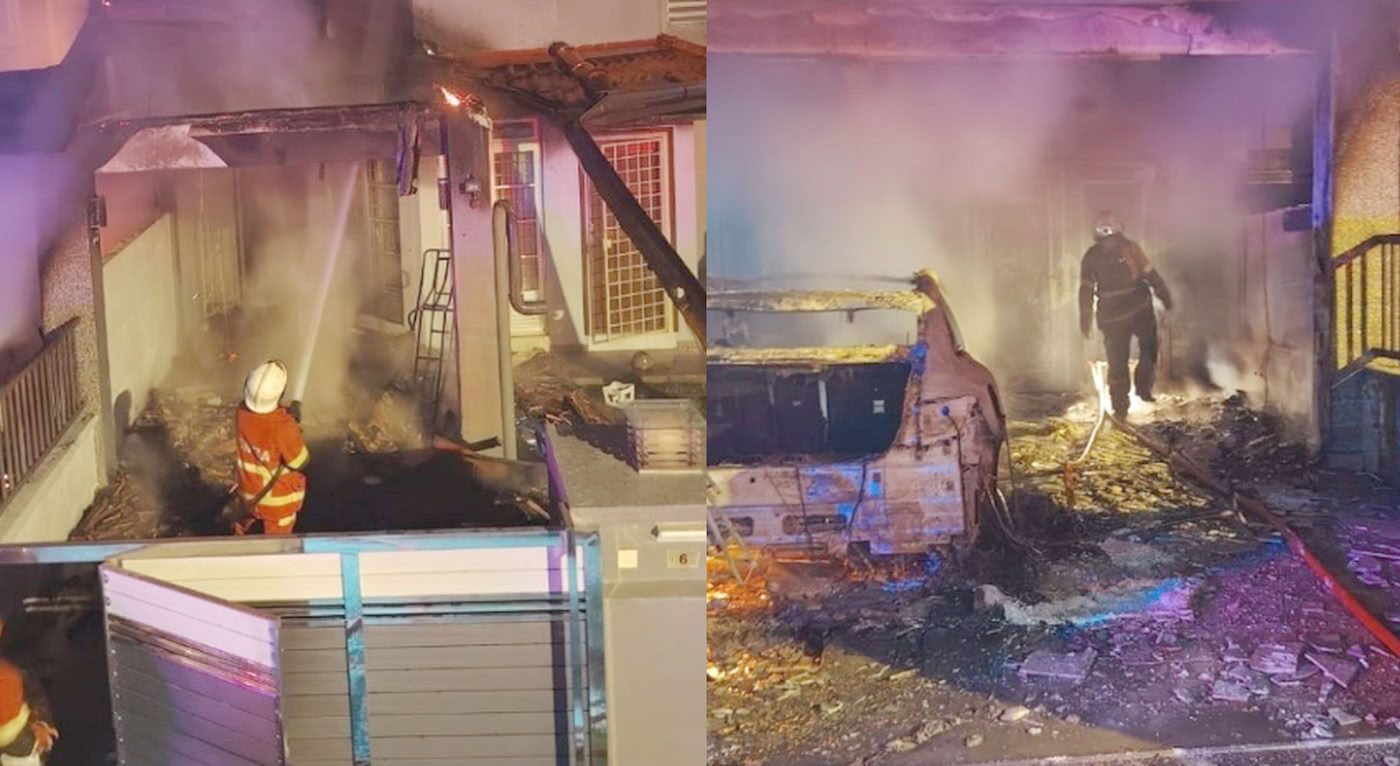
Why an EV Fire Story Matters to Your Business
Electric vehicles are becoming more visible on Malaysian roads, in apartment car parks, office buildings and commercial premises. For an SME owner, that changes more than the type of vehicle arriving at your workplace. It raises practical questions about charging areas, fire response, building rules, insurance coverage and business continuity.
A recent report by SoyaCincau examined concerns about whether homes are protected against electric-vehicle fires and shared the response from the Persatuan Insurans Am Malaysia (PIAM). The discussion followed a fire incident in Alam Damai, Cheras, and highlighted an issue many business owners may overlook: protection often depends on the exact policy wording, the insured property, the cause of damage and whether the relevant risks were disclosed to the insurer. Read the source report at SoyaCincau.
Whether you operate a workshop, café, retail outlet, warehouse, tuition centre or small office, you should treat EV charging as a facilities and risk-management matter—not simply an employee convenience.
What Happened
The SoyaCincau report discussed the Alam Damai, Cheras fire and asked whether Malaysian home insurance protects policyholders when an electric vehicle or its battery is involved. PIAM’s response focused on the importance of reviewing the terms and conditions of an individual insurance policy rather than assuming that every fire-related loss is automatically handled in the same way.
This distinction is important because insurance policies may separate buildings, contents, vehicles, equipment and third-party liabilities. A policy covering a shop lot may not provide the same protection for a customer’s vehicle, a charger installed by a tenant or damage caused by modifications to electrical systems. The actual outcome can depend on the policy schedule, exclusions, warranties, approved use of the premises and the investigation after an incident. The original report is available through SoyaCincau.
The message for business owners is straightforward: do not rely on verbal assumptions. Ask your insurer, agent, landlord and electrical contractor how EV charging is treated at your premises. Keep written answers and records of approvals, maintenance and inspections.
Why This Matters for Malaysian SMEs
Many Malaysian SMEs work from mixed-use or shared buildings. Your office may be in a shop house, your stock may be kept in a warehouse, or your staff may park in a condominium or managed commercial car park. In these environments, you may not control the wiring, parking layout, ventilation or firefighting equipment. A charging point installed elsewhere in the building can still affect your operations if smoke, heat, water or access restrictions disrupt your premises.
Consider a small bakery operating in a ground-floor shop lot. If an EV is charging near the entrance, a fire could damage refrigerators, ovens, packaging materials and customer records. Even if your equipment is not directly burned, smoke contamination, water used during firefighting or temporary closure could interrupt production. A clinic, salon or tuition centre faces similar disruption because its service depends on a usable, accessible premises.
Delivery businesses and contractors have another concern. If you own or lease an electric van, you should understand who is responsible for the vehicle, charging equipment, premises damage and third-party claims. If staff charge personal vehicles at work, establish a clear policy covering approved sockets, charging times, extension cables, parking locations and reporting of damaged plugs or unusual heat.
Start with these practical steps:
| Area | Action for your business |
|---|---|
| Insurance | Ask whether your policy covers fire damage involving an EV, charger, battery or third-party vehicle, and request the answer in writing. |
| Premises | Confirm whether your landlord or building manager permits EV charging and whether approval is required for electrical alterations. |
| Electrical systems | Use qualified contractors, avoid overloaded sockets and retain inspection, installation and maintenance records. |
| Emergency response | Update evacuation plans, keep access routes clear and make sure staff know whom to call and where to assemble. |
| Business continuity | Record critical equipment, suppliers, customer contacts and backup work arrangements so you can resume operations faster. |
Questions You Should Ask Before Allowing Charging
Do not wait for a new charger to be installed before raising the insurance question. Ask whether the building’s fire policy covers common areas and whether your own policy covers stock, equipment, renovation works and loss caused by business interruption. If you rent the premises, check your tenancy agreement for restrictions on electrical installations, parking and hazardous equipment.
You should also ask who approved the charger, who maintains it and what happens when the equipment fails. A charger connected through an unsuitable extension cable creates a different risk profile from equipment designed and installed for the intended load. Keep invoices, certificates, photographs and maintenance reports in a central digital folder that your manager can access during an emergency.
Do not assume that “fire cover” answers every question. Ask what is insured, where it is insured, who owns it and which exclusions may apply.
The Bigger Picture
The EV discussion reflects a wider change in how Malaysian SMEs must manage technology. New equipment often arrives faster than internal policies, staff training and insurance reviews. The same pattern applies to solar panels, battery storage, automated machinery, server rooms and smart building systems. Each technology can improve operations, but each also introduces new dependencies and failure points.
For you, the goal is not to avoid EVs or charging facilities. It is to make adoption orderly. Assign one person to maintain a register of electrical equipment and approvals. Review your emergency contacts twice a year. Store policy documents, tenancy terms and contractor records digitally. Include charging-related scenarios in your evacuation briefing, especially if your business operates in a building with shared parking.
You should also communicate clearly with staff. Tell them which sockets may be used, whether personal vehicle charging is allowed, how to report a damaged cable and what to do if they notice smoke, swelling, unusual odour or excessive heat. They should never attempt to move a burning vehicle or handle a damaged battery. Emergency action should follow the building’s procedures and instructions from the relevant authorities.
The Alam Damai report is a useful reminder that insurance protection is not a slogan; it is a contract that must be understood before an incident occurs. By reviewing your coverage, controlling charging practices and preparing for temporary disruption, you can protect your people, premises and ability to serve customers. For a Malaysian SME, that preparation is a practical business decision—not merely a response to a technology headline.
Ready to Streamline Your Operations?
Technology moves fast. Your operations should keep up. AutoRunBiz builds AI systems that run your daily workflows — from WhatsApp order capture to accounting. Book a free 15-min ops audit →