
Stop Treating Tech Events as Just Another Conference
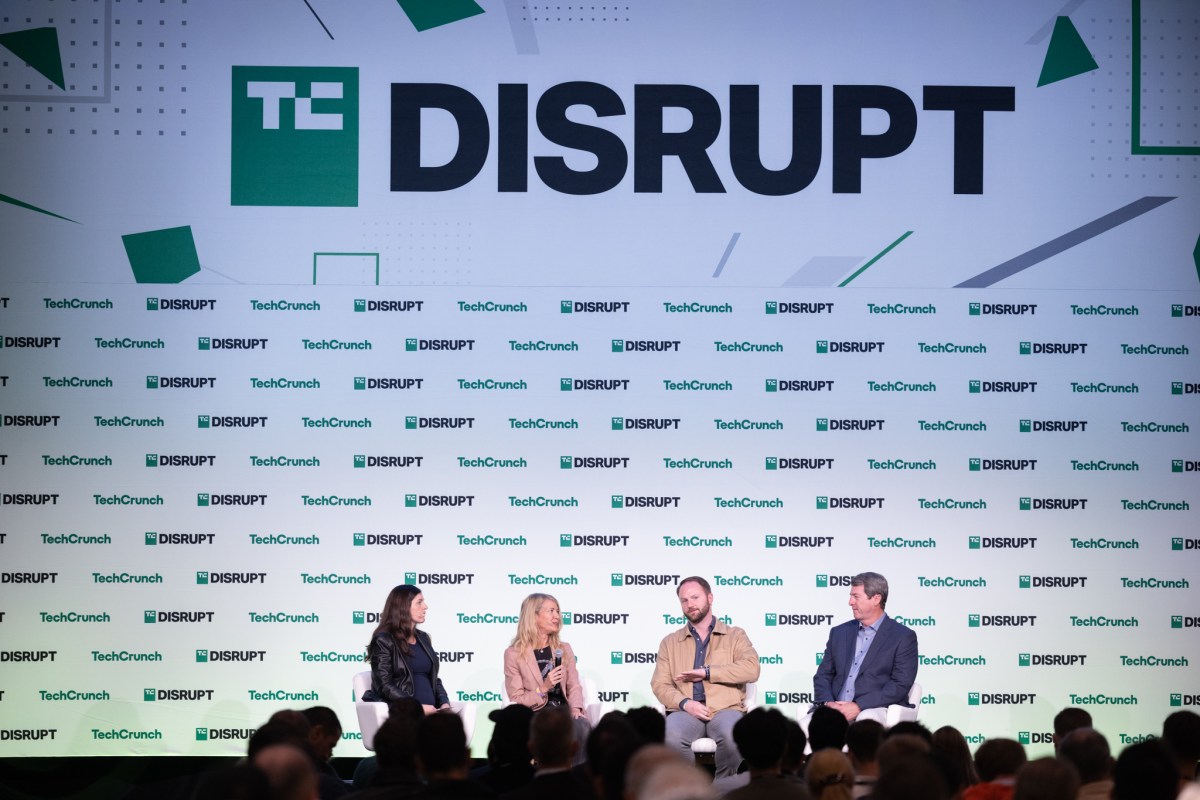
You may have seen announcements about TechCrunch Disrupt 2026, a startup event taking place in San Francisco from October 13 to 15. The event is promoted as a meeting point for founders, investors, operators, technology companies and startup community members, with a strong focus on building businesses in the AI era. Source: TechCrunch
For a Malaysian SME owner, the important question is not whether you should attend one particular event. The more useful question is this: how do you turn technology exposure into better decisions for your business? A conference can give you ideas, contacts and visibility, but only if you arrive with clear business problems to solve and a plan to follow up afterwards.
TL;DR: Tech events are most useful when you use them to investigate specific problems, such as slow customer response, manual administration, weak reporting or difficulty finding partners. Before attending, prepare questions, define your target contacts and assign someone to turn useful ideas into a small business experiment.
TechCrunch Disrupt 2026 is expected to bring together more than 10,000 founders, investors and startup community members. Source: TechCrunch You do not need to be raising funds or launching a startup to learn from that kind of gathering. You can use the same approach at local exhibitions, industry meetups, supplier briefings and business networking sessions in Malaysia.
What This Means
The event’s main theme is business building in the AI era. Its programme includes areas covering real-world AI, finance and payment systems, and the infrastructure needed to run modern technology. Source: TechCrunch
In plain language, this means technology is no longer limited to a website or a mobile application. It is increasingly connected to how companies manage customer enquiries, create documents, forecast demand, coordinate staff, process payments, monitor operations and make decisions.
For an SME, the value is not in collecting impressive technology terms. The value is in finding a practical answer to a recurring operational problem. For example, instead of asking, “How can we use AI?” ask, “Can we reduce the time spent sorting customer messages?” or “Can our sales team find the latest quotation without searching through multiple chat groups?”
The best technology event question is not “What is new?” It is “Which problem in my business should become easier next?”
TechCrunch Disrupt also highlights investor access, emerging companies, strategic partnerships and AI-assisted networking. Source: TechCrunch These benefits matter only when they connect to your business direction. A useful contact may be a software provider, logistics partner, distributor, consultant or potential customer—not necessarily an investor.
How This Applies to Malaysian SMEs
First, use technology events to improve customer response. Many Malaysian SMEs receive enquiries through WhatsApp, Facebook, Instagram, email and phone calls. When messages are handled manually, a quotation can be delayed, a follow-up can be forgotten or two staff members can respond differently. At an event, look for tools that can bring enquiries into one workflow, assign ownership and remind your team about pending replies. This applies to renovation companies, tuition centres, wholesalers, clinics, travel businesses and professional services firms.
Second, investigate practical automation for administration. Your team may be spending hours preparing invoices, copying details into spreadsheets, checking order status or compiling weekly reports. Technology providers often demonstrate ways to connect forms, customer records, documents and approval steps. Do not focus only on the software’s full feature list. Ask whether it can fit your existing process, whether staff can use it without extensive technical training and whether information can be reviewed by the right person before anything is sent to a customer.
Third, look for partnerships rather than isolated tools. A Malaysian SME often depends on suppliers, delivery providers, payment services, resellers and freelance specialists. A technology event can help you discover partners outside your usual circle. For example, a food manufacturer might meet a distributor with better order visibility, while a small retailer might find a system integrator that can connect stock records with online sales channels. Prepare a short explanation of your business, your customer type and the operational gap you want to solve.
Fourth, use AI discussions to improve judgment, not remove it. The Real World AI programme at Disrupt covers areas such as robotics, manufacturing, healthcare and autonomous systems. Source: TechCrunch For most Malaysian SMEs, the immediate application may be simpler: summarising customer feedback, drafting internal documents, classifying enquiries or helping staff find information. You still need human review, clear access rules and a process for correcting mistakes.
Fifth, connect technology decisions with local business realities. You may have multilingual customers, part-time workers, several branches, local tax documentation, delivery constraints or staff who prefer familiar tools. A solution that looks impressive in a demonstration may not suit your workflow. Ask whether it supports your communication channels, approval process, reporting requirements and day-to-day working habits.
A Simple Way to Prepare for Any Tech Event
| Preparation area | What you should define | Useful output |
|---|---|---|
| Business problem | One recurring delay, error or manual task | A clear problem statement |
| Target contact | Supplier, partner, adviser or potential customer | A shortlist of relevant people |
| Questions | Three questions about fit, workflow and support | Better conversations |
| Follow-up | Owner and date for the next action | A written follow-up plan |
| Trial | One small process to test first | A controlled business experiment |
These five areas are not complicated, but they prevent the most common mistake: returning with a notebook full of ideas and no change in the business.
Practical Takeaways
- Write down your top three operational frustrations before attending an event or viewing a technology demonstration.
- Ask every provider to explain how its solution would fit your current workflow, not just what features it contains.
- Bring a short description of your business, customer group and main process bottleneck.
- Separate useful contacts into suppliers, partners, potential customers and learning contacts.
- Do not make a technology decision based only on a stage presentation or impressive demonstration.
- Check how the system handles user access, data quality, approvals, backups and staff training.
- Choose one small process for a pilot rather than changing several parts of the business at once.
- Assign one employee to document the current process and compare it with the new approach.
- Set a review date so the pilot does not disappear after the event.
- Share the learning with your team in plain language and explain what will change in their daily work.
How to Judge Whether an Idea Is Worth Pursuing
Start by describing the current process from beginning to end. Who receives the request? Where is the information recorded? Who checks it? What happens if someone is absent? Where does the customer wait? This creates a baseline for comparison.
Next, identify the risk. Some technology ideas fail because the information is incomplete, staff do not follow the process or nobody owns the result. You should also check whether the provider has experience with businesses of a similar size and whether support is available when your team encounters a problem.
Finally, define a visible outcome. That could be fewer unanswered enquiries, faster document preparation, better visibility of order status or more consistent follow-up. You do not need a complicated measurement system. A simple before-and-after record can help you decide whether the idea deserves a wider rollout.
The Bigger Picture
The long-term lesson from events such as TechCrunch Disrupt is that technology adoption is becoming a management responsibility, not only an IT responsibility. The event’s programme spans AI applications, finance, payments, infrastructure and company building, showing how technology now touches several parts of a business. Source: TechCrunch
For Malaysian SMEs, this does not mean chasing every new platform. It means building a habit of reviewing how work gets done. Your advantage may come from responding more consistently, keeping clearer records, making better use of staff time and giving customers a smoother experience.
Whether you attend a major international event, a local trade exhibition or an online product briefing, use the same discipline: identify a real problem, ask specific questions, test one improvement and review the result. That approach helps you benefit from technology without allowing every new trend to distract your team.
Start with one question this week: which repetitive process is slowing your business down, and what would a better version of that process look like?
Ready to Streamline Your Operations?
Your business should run itself. AutoRunBiz deploys AI agents to automate your daily operations — WhatsApp orders, invoicing, customer follow-ups, and accounting. Book a free 15-min ops audit to see where automation fits your business →