
Why This Nepal Tragedy Matters to Your Business
The disappearance of Malaysian traveller K. Balasingam after flash floods near the Nepal-Tibet border is a painful reminder that overseas travel can quickly become a business continuity issue. The 71-year-old was travelling with 16 other Malaysians for a religious journey to Mount Kailash when communication was lost after the disaster. His family said he was last active on WhatsApp on the morning of the incident, while Malaysia’s Foreign Ministry reported that 55 Malaysians remained unreachable after floods and landslides in Nepal’s Rasuwa District. Source: Malay Mail
For a Malaysian SME, the lesson is not limited to international travel. Your employee could be attending a trade fair in Bangkok, visiting a supplier in China, joining a project in Sabah, or travelling for a team retreat during severe weather. When that person becomes unreachable, you may need to contact family members, insurers, embassies, clients and emergency services while continuing to run the business.
Technology cannot remove the human uncertainty in a tragedy. However, a practical digital travel-safety process can help you know who is away, where they are expected to be, whom to contact, and what action to take when normal communication stops.
What Happened
Balasingam, a former transport-sector businessman from Negeri Sembilan, travelled alone as part of a group managed by Nepal-based Fishtail Tours & Travels. He arrived in the region on August 23 and was expected to return to Malaysia on September 6. After the flash flood disaster, his family contacted the Malaysian Embassy in Kathmandu, police and members of the travel group but had not received confirmed news about him at the time of the report. Source: Malay Mail
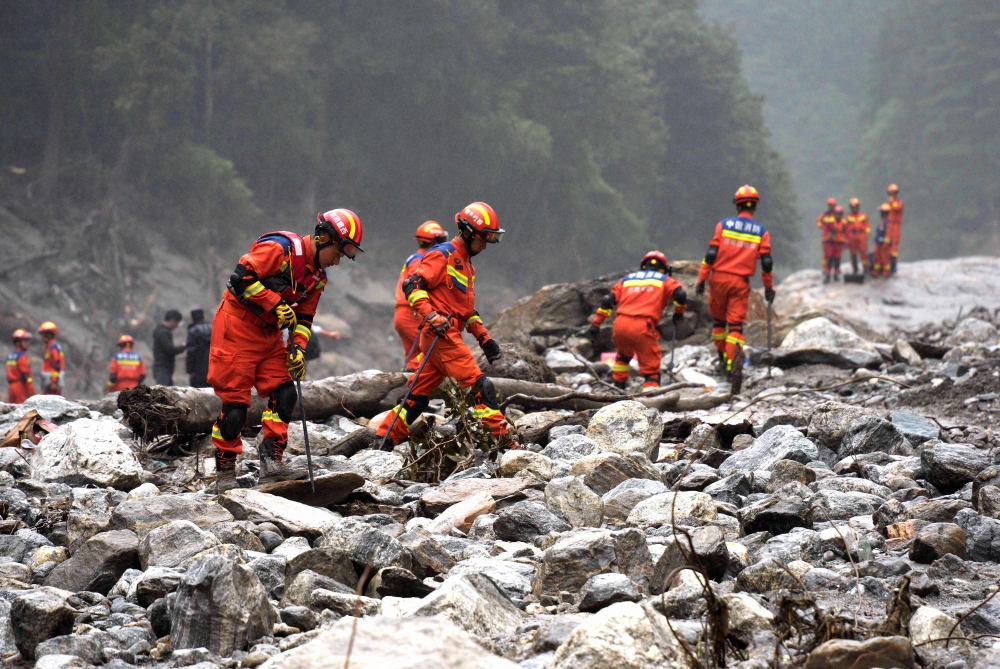
The report also described search and rescue operations following a mudslide that destroyed the Gyirong Port area, while authorities worked to locate people affected by the wider disaster. The situation shows why families and organisations can struggle during a crisis: roads may be blocked, mobile networks may fail, travel groups may be separated, and official updates may arrive at different times.
“Only prayer and patience can strengthen our spirits,” Mures, Balasingam’s son, said while describing the family’s wait for information. Source: Malay Mail
For a small company, such a situation can become harder when travel information is stored in personal WhatsApp chats, scattered email threads or a manager’s memory. If the employee cannot respond, colleagues may not know their itinerary, hotel, passport details, travel companion or emergency contact. A simple business process can make the response faster and more respectful.
Why This Matters for Malaysian SMEs
Many SMEs do not have a dedicated human resources department, security team or travel manager. The owner, office administrator or operations executive may need to coordinate everything. This is common in businesses with sales representatives, installation teams, consultants, construction workers, logistics staff and directors who travel personally but remain responsible for approvals and customer relationships.
Imagine you run a Johor-based engineering firm and your technician travels to Indonesia to inspect equipment. A volcanic eruption, flood or ferry disruption prevents contact. Your company may need to notify the customer that the appointment is delayed, check whether the technician is safe, arrange a replacement worker and preserve the client’s confidence. A shared travel register and automated check-in process can give you a reliable starting point.
The same applies to employees visiting flood-prone areas in Malaysia. MetMalaysia regularly issues weather warnings, and the National Disaster Management Agency provides public emergency information. Your business should not depend on an employee remembering to update a supervisor manually during a crisis. A scheduled check-in, location-sharing consent and escalation procedure can reduce confusion without intruding unnecessarily into personal privacy.
| Business risk | Practical digital control | Owner or manager action |
|---|---|---|
| Employee becomes unreachable | Automated check-in form or messaging reminder | Escalate after a defined period and contact the emergency person |
| Travel details are scattered | Central travel record with itinerary and contacts | Restrict access to authorised staff only |
| Customer project is affected | Task-management alert linked to the trip | Assign backup staff and send a prepared update |
| Official information changes | Approved source list and monitoring responsibility | Verify reports before sharing them with families or clients |
What Your SME Can Put in Place
1. Create a single travel record
Use a secure business system, not a public spreadsheet, to record the traveller’s name, destination, dates, transport details, accommodation, travel companions, emergency contact and relevant medical information voluntarily provided by the employee. Include the employee’s consent, access rules and a deletion date. The Personal Data Protection Department provides guidance on Malaysia’s personal-data obligations, which should inform how you collect and retain this information. Source: Personal Data Protection Department
2. Use scheduled check-ins
Set check-ins for departure, arrival, important transfers and return. A simple form can ask, “Are you safe?” and “Do you need assistance?” If there is no response, the system can notify the supervisor. Do not treat an automated alert as proof of danger; it is a prompt to verify the situation through appropriate channels.
3. Prepare an escalation ladder
Write down what happens after four hours, 12 hours and 24 hours without contact. The exact timings should reflect the destination, itinerary and risk level. The sequence may begin with a call and message, followed by contacting the travel companion, hotel, family emergency contact, tour operator, insurer, local authorities and the nearest Malaysian diplomatic mission. Malaysia’s Ministry of Foreign Affairs publishes consular information through its official portal. Source: Ministry of Foreign Affairs Malaysia
4. Keep a customer continuity plan
If the traveller is handling a customer visit, identify a backup employee before departure. Store current project notes, appointment details and customer contacts in a shared workspace. This protects the client relationship while the company focuses on confirming the employee’s welfare.
5. Use AI carefully
AI tools can help summarise official alerts, translate public notices, draft internal messages and identify which scheduled check-ins are overdue. They should not invent facts, announce that someone is safe without confirmation or replace contact with authorities. Require a manager to verify every sensitive update, especially when it concerns a missing person, injury or death.
The Bigger Picture
The Nepal disaster highlights a wider shift in SME management: duty of care is becoming an operational capability rather than a document kept in a file. Your employees expect their employer to know how to respond when travel goes wrong, while customers expect the company to continue communicating even when a key person is unavailable.
This does not require a complex platform. Start with a clear policy, a secure contact register, a travel check-in workflow and a named response owner. Test it with a fictional scenario, such as a staff member unreachable during a regional flood. Record how long it takes to find the itinerary, identify the emergency contact, notify the customer and locate official information. Then improve the process.
Most importantly, communicate with compassion. A crisis workflow must protect people, not merely satisfy administration. Collect only information you genuinely need, obtain consent, avoid sharing unverified updates and give families one responsible company contact. For Malaysian SMEs, that combination of practical automation and human judgement can make an uncertain situation easier to manage.
Ready to Streamline Your Operations?
Technology moves fast. Your operations should keep up. AutoRunBiz builds AI systems that run your daily workflows — from WhatsApp order capture to accounting. Book a free 15-min ops audit →