
When One Unreachable Person Can Disrupt Your Business
For a small business, one employee, owner, driver, technician, or supplier contact can carry a surprising amount of responsibility. If that person suddenly cannot be reached during a trip, emergency, or natural disaster, your operations may quickly become uncertain.
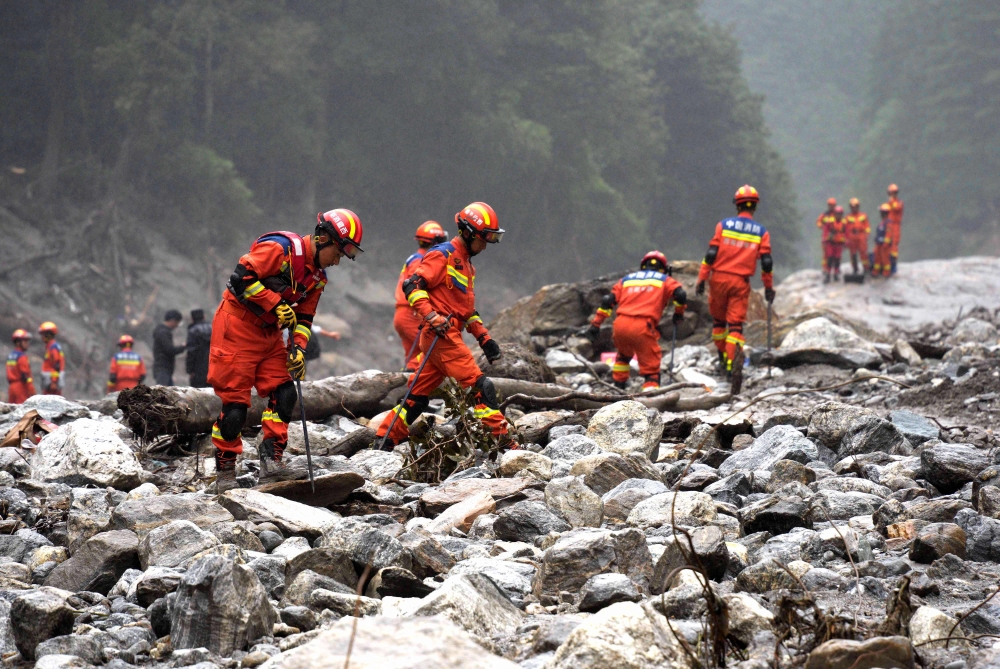
The reported case of Malaysian traveller K. Balasingam, who remained unreachable after flash floods and landslides near the Nepal-Tibet border, is a painful reminder that emergencies do not follow office schedules. His family was seeking updates through authorities, police, an embassy, and fellow travellers. For an SME, the same communication problem can affect customer orders, payroll records, delivery routes, approvals, and access to essential information.
You may not be able to prevent every emergency. You can, however, make sure your business does not depend on one person’s phone, memory, or personal account.
TL;DR: Build a simple emergency communication and continuity process before someone becomes unreachable. Keep current contact details, assign backups, document essential tasks, and use shared systems so another person can continue the work.
The Foreign Ministry reported that 55 Malaysians remained unreachable after the disaster in Nepal. That figure is a public emergency update, but the business lesson is straightforward: when communication is uncertain, reliable records and clear responsibilities matter.
What This Means
Business continuity is the ability to keep essential work moving when normal operations are interrupted. It is not limited to major corporations or technical disaster-recovery plans. For an SME, it may simply mean knowing who can approve a purchase if you are unavailable, where the latest customer list is stored, or how a staff member can continue a delivery schedule without calling the missing person repeatedly.
The first step is separating information from people. Information kept only in someone’s WhatsApp chat, notebook, personal email, or mobile phone is difficult to access when that person cannot respond. A shared, permission-controlled system gives authorised colleagues a better chance of finding what they need.
The second step is separating responsibility from individual dependence. Every important task should have a primary person and a backup person. The backup does not need to perform the task every day, but should know the process, location of records, deadlines, and escalation steps.
Key insight: A resilient SME is not one where nothing goes wrong. It is one where essential work can continue even when the expected person is unavailable.
How This Applies to Malaysian SMEs
Consider a small wholesaler in Selangor whose main delivery coordinator travels overseas. The coordinator may hold customer addresses, driver instructions, payment-on-delivery notes, and details of urgent orders in a personal phone. If the coordinator becomes unreachable, the warehouse may still have stock, but nobody knows which orders must leave first. A shared order tracker, standard delivery checklist, and named backup can prevent confusion.
For a restaurant, café, or catering business, the risk may involve the owner or head chef. That person could be away during a family emergency while suppliers are waiting for confirmation and staff are unsure about substitutions. You can document approved suppliers, ordering cut-off times, food preparation steps, allergy information, and who may make decisions when the usual approver is absent. Keep the information current and accessible to authorised staff.
A construction, renovation, or maintenance company may depend on one site supervisor who knows the project status. If the supervisor cannot be contacted, workers may lack the latest drawings, safety instructions, client approvals, or access arrangements. A daily site update, central document folder, and second-in-command reduce the chance that work stops because critical knowledge is trapped with one person.
Professional service firms face a similar issue. An accountant, consultant, agent, or account manager may be the only person familiar with a client’s deadlines and documents. If you keep client records in a shared workspace with clear naming conventions, another authorised team member can identify pending work and communicate honestly with the client. This is especially important when the unavailable person is also a business owner.
Travel arrangements deserve a place in your SME process too. If an employee travels for a site visit, trade event, pilgrimage, training programme, or supplier meeting, record the itinerary, local contact, expected return date, and emergency contact with appropriate consent. You are not monitoring the person unnecessarily; you are ensuring that the business knows how to respond if plans change.
A Simple Continuity Structure
| Business area | Minimum information to record | Backup action |
|---|---|---|
| Customers | Contact name, order status, next deadline | Assign a second account owner |
| Suppliers | Supplier contact, usual items, ordering process | Give purchasing access to one trained backup |
| Operations | Daily checklist, priorities, escalation steps | Store the checklist in a shared location |
| Approvals | Who approves routine and urgent decisions | Name an alternate approver |
| Travel | Itinerary, expected return, emergency contact | Set a reasonable check-in arrangement |
The table is a practical starting point, not a replacement for professional emergency guidance. Keep the information limited to what your team genuinely needs and protect sensitive personal details.
Practical Takeaways
- Create a critical-task list: Write down the activities that must continue each day, such as order processing, dispatch, customer replies, payroll preparation, stock checks, and site safety.
- Assign a primary and backup: Do this for every critical task. Make sure the backup has practised the process at least once.
- Use shared business accounts: Avoid storing essential records only in a personal inbox, phone, or messaging thread. Use access controls and remove access when roles change.
- Set a travel record: For work-related trips, record destination, dates, accommodation or meeting details, local contacts, and an emergency contact where appropriate.
- Define an escalation rule: State who should be contacted first, when a manager should be informed, and when an external authority or embassy may be relevant.
- Prepare customer wording: Create a calm message explaining that a staff member is temporarily unavailable and another team member is handling the matter.
- Review access regularly: Check whether backups can actually open the required files, systems, forms, and contact lists.
- Run a short test: Ask a backup person to complete a common task without help. Any delay shows you what needs improvement.
Keep the Process Respectful
An emergency process should support people, not turn into intrusive surveillance. Tell employees what information you collect, why it is needed, who can access it, and how it will be used. Personal emergency contacts should be handled carefully. Your goal is to coordinate support and business continuity, not demand constant reporting.
Communication also needs discipline. During a real incident, avoid forwarding unverified claims or repeatedly contacting family members and authorities without purpose. Nominate one company contact to coordinate updates. Record confirmed information, the source, and the time received. This prevents rumours from spreading through staff groups and customers.
The Bigger Picture
As Malaysian SMEs become more distributed, mobile, and dependent on digital records, continuity will become part of everyday management rather than a document prepared only for large emergencies. Staff may work from different states, travel overseas, manage suppliers remotely, or hold key customer relationships outside the office.
The long-term advantage is operational clarity. When tasks, approvals, contacts, and records are documented, new employees can learn faster and existing employees can take leave without creating panic. You also gain a clearer view of where your business is overly dependent on one person.
Start with one department or one recurring process. Document what happens, who owns it, where the information sits, and what the backup should do. Then test it during a normal week. Small improvements made before an emergency are easier to maintain than hurried decisions made after communication has already failed.
The Nepal tragedy has placed families in an agonising wait for news. For your SME, the appropriate response is not fear; it is preparation. Build systems that help your people, customers, and business continue when someone cannot answer the phone.
Ready to Streamline Your Operations?
Your business should run itself. AutoRunBiz deploys AI agents to automate your daily operations — WhatsApp orders, invoicing, customer follow-ups, and accounting. Book a free 15-min ops audit to see where automation fits your business →