
From Live Selling to a Business System
You may already be selling through TikTok, Shopee, Lazada or WhatsApp. Perhaps you go live when you have a new product, join a platform campaign or need to clear stock. But if every livestream depends entirely on you being energetic, answering every question and manually checking every order, growth can quickly become exhausting.
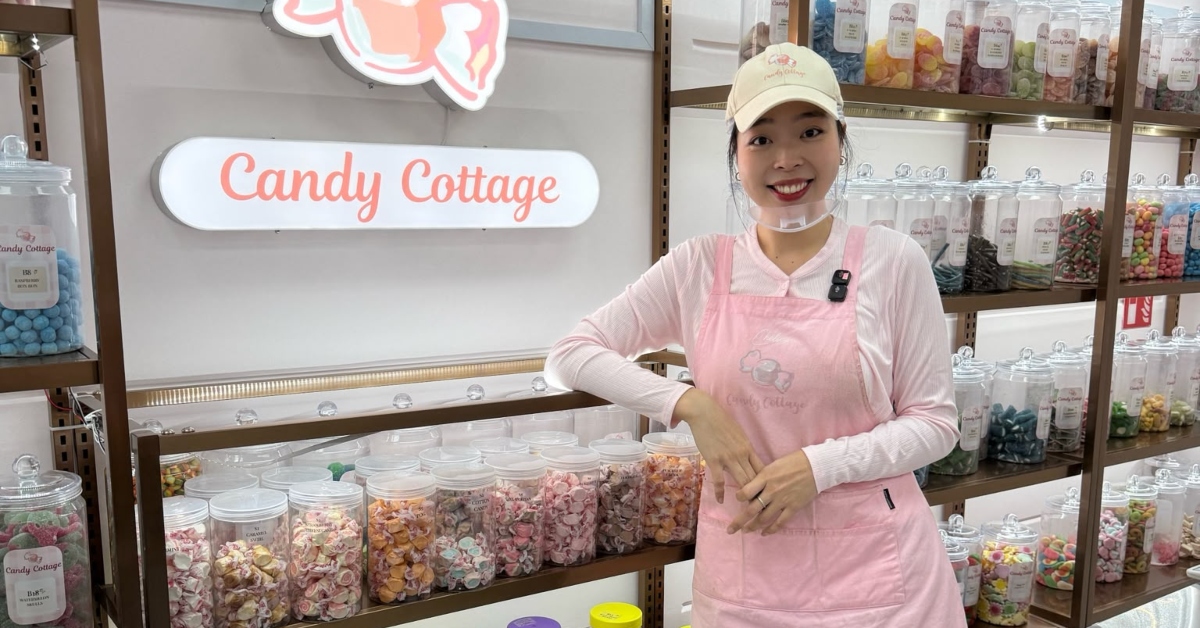
The more useful lesson from Candy Cottage is not simply that a candy seller can attract viewers. It is that livestream selling can become a coordinated operating system: one person hosts, another confirms orders, others pick and pack products, and customer information moves into fulfilment without unnecessary delays.
The Singapore business began with 30 candy varieties and its first livestream produced about 10 orders over two to three hours. Its catalogue later expanded to around 500 varieties, while the business reported processing 150 to 200 orders on a typical day and 200 to 300 on sale days. Source: Vulcan Post
TL;DR
Livestream selling works best when you treat it as a repeatable process, not a one-person performance. Start with a focused product range, divide hosting and fulfilment responsibilities, capture customer data properly and check Malaysian compliance requirements before expanding into events or corporate orders.
Your objective is not merely to attract viewers. It is to turn attention into accurate orders, positive customer experiences and repeat purchases.
What This Means
Candy Cottage identified an underserved customer experience: shoppers could choose a custom mix of sweets rather than buy only standard prepacked products. The business then made that experience visible through livestreams. Customers could watch products being selected, ask questions, discover unusual flavours and place orders while the seller demonstrated the process.
That format matters because live commerce combines product demonstration, conversation and ordering in one session. For products that benefit from variety, customisation or visual appeal, the viewer can make decisions more confidently when someone explains the options in real time.
However, the livestream itself is only the front end. Behind the camera, the business needs stock records, order confirmation, picking instructions, packaging standards, delivery coordination and customer-service follow-up. Candy Cottage reportedly ran its livestream across TikTok, Shopee, Lazada and its own website, with sessions lasting around six to seven hours and operating six days a week. Source: Vulcan Post
For a Malaysian SME, this distinction is important. A popular live session can create more orders than your current workflow can handle. If product availability is unclear, parcels are packed incorrectly or customers wait too long for updates, higher sales volume can create more complaints instead of healthier growth.
The livestream attracts attention, but your operating process determines whether that attention becomes a sustainable customer relationship.
How This Applies to Malaysian SMEs
1. Turn product variety into a guided buying experience. A Malaysian snack seller could showcase local crisps, sambal, cookies or festive gift sets and let viewers combine products according to taste or occasion. A modest fashion seller could demonstrate fabric differences, colour matching and sizing. A skincare business could group products by skin concern, provided its claims are accurate and compliant. The point is to help customers choose, not simply display dozens of items without structure.
Start with a small selection that your team can explain clearly. The Singapore seller began with 30 types of candy before expanding to around 500 varieties. Source: Vulcan Post You can apply the same discipline by creating a “featured 20” list for each session, supported by a clear product code, current stock quantity and simple ordering instruction.
2. Design the livestream around Malaysian buying habits. Your audience may include customers from Kuala Lumpur, Johor, Penang, Sabah and Sarawak, each with different delivery expectations and product preferences. Use Bahasa Malaysia, English or a natural mix that fits your customers. Explain delivery areas, estimated dispatch timing and product handling in plain language. If an item can melt, break or spill, show how you pack it before customers place an order.
This is especially relevant for food, cosmetics, plants, fragile gifts and chilled products. The source article describes melted candy and cracked bottles as recurring delivery problems, leading the business to use heavier, heat-insulated bottles. Source: Vulcan Post A Malaysian seller should similarly test packaging for heat, humidity, courier handling and longer routes before promoting a product nationwide.
3. Separate selling from fulfilment. If you are the host, sales adviser, order checker and packer at the same time, mistakes become likely as volume rises. Even with a team of two or three, assign clear roles: one person hosts, one monitors comments and confirms orders, and one prepares products. When order volume increases, add a final checker before parcels are sealed.
The Candy Cottage operation was described as a small production line, with products picked and packed live while containers moved through different packing stages. Source: Vulcan Post You do not need a large warehouse to copy the principle. A labelled shelf, printed pick list and standard packing sequence can make a home-based or small-shop operation far more dependable.
4. Treat events and corporate orders as a different business channel. A seller may begin with individual shoppers and later receive requests for weddings, company gifts or community events. These orders require clearer quantities, delivery dates, packaging specifications, invoices and approval steps than ordinary consumer purchases. Candy Cottage expanded into corporate gifting, weddings and events, but the move also created additional regulatory obligations in Singapore. Source: Vulcan Post
In Malaysia, check the relevant requirements for your product category, premises and sales activity with the appropriate authorities before accepting larger contracts. Food businesses should pay particular attention to hygiene, labelling, permitted preparation or repacking activities and local council requirements. Do not assume that rules for occasional home selling automatically cover catering, corporate supply or event work.
A Simple Livestream Operating Model
| Area | What to prepare | Useful measure |
|---|---|---|
| Product selection | Featured products, codes, descriptions and stock status | Number of products explained per session |
| Hosting | Opening script, demonstrations, customer questions and calls to action | Viewer questions answered |
| Order capture | Platform order records, customer details and payment status | Confirmed orders versus cancelled orders |
| Picking and packing | Pick lists, labelled shelves and packaging checks | Incorrect orders per delivery batch |
| Delivery | Courier handover process and exception tracking | Parcels dispatched within your stated timeframe |
| Follow-up | Delivery updates, review requests and repeat-purchase reminders | Returning customers and unresolved cases |
The figures in this table are operating categories rather than industry benchmarks. Track your own baseline for four weeks before deciding what needs improvement. The source business grew from around 10 orders in its first livestream to 30 to 40 orders within a week, showing why a process should be prepared before demand becomes difficult to manage. Source: Vulcan Post
Practical Takeaways
- Choose one clear customer promise, such as custom bundles, live demonstrations or hard-to-find products.
- Create product codes that are short, consistent and easy to say aloud during a livestream.
- Prepare a session plan with featured items, frequently asked questions and clear ordering steps.
- Keep a single, updated view of stock so your host does not promote unavailable products.
- Assign separate responsibilities for hosting, order monitoring, picking, packing and final checking.
- Test packaging under Malaysian heat, humidity and courier-handling conditions.
- Record delivery exceptions and customer complaints by product, courier and packing method.
- Review local licensing, food safety, labelling and premises requirements before entering corporate or event sales.
- Use customer permission and appropriate privacy practices when collecting contact details for follow-up.
- Run a short pilot before committing to long daily livestream schedules.
The Bigger Picture
Livestream commerce is likely to become less about a single charismatic seller and more about operational consistency. Customers may discover you through a short video, join a livestream, complete an order on a marketplace and contact you through messaging afterwards. That journey creates information across several channels, so your business needs a reliable way to keep product, order and customer records aligned.
Automation can help with practical tasks such as consolidating orders, flagging low stock, generating pick lists, sending delivery updates and identifying repeat customers. It should support your team rather than remove the human parts that make live selling effective: product knowledge, friendliness and quick answers.
The strongest Malaysian SMEs will probably use livestreams selectively. You might host longer sessions during festive seasons, product launches or weekly discovery shows, while using shorter videos and automated follow-ups between sessions. This approach protects your team from burnout and gives customers several ways to buy.
The lesson from Candy Cottage is therefore straightforward: begin with a customer experience people can understand, then build the workflow needed to deliver it reliably. Whether you sell snacks, beauty products, apparel, gifts or hobby goods, your next step is not necessarily to stream for six hours a day. It is to make every minute of selling easier to repeat, measure and improve.
Ready to Streamline Your Operations?
Your business should run itself. AutoRunBiz deploys AI agents to automate your daily operations — WhatsApp orders, invoicing, customer follow-ups, and accounting. Book a free 15-min ops audit to see where automation fits your business →