
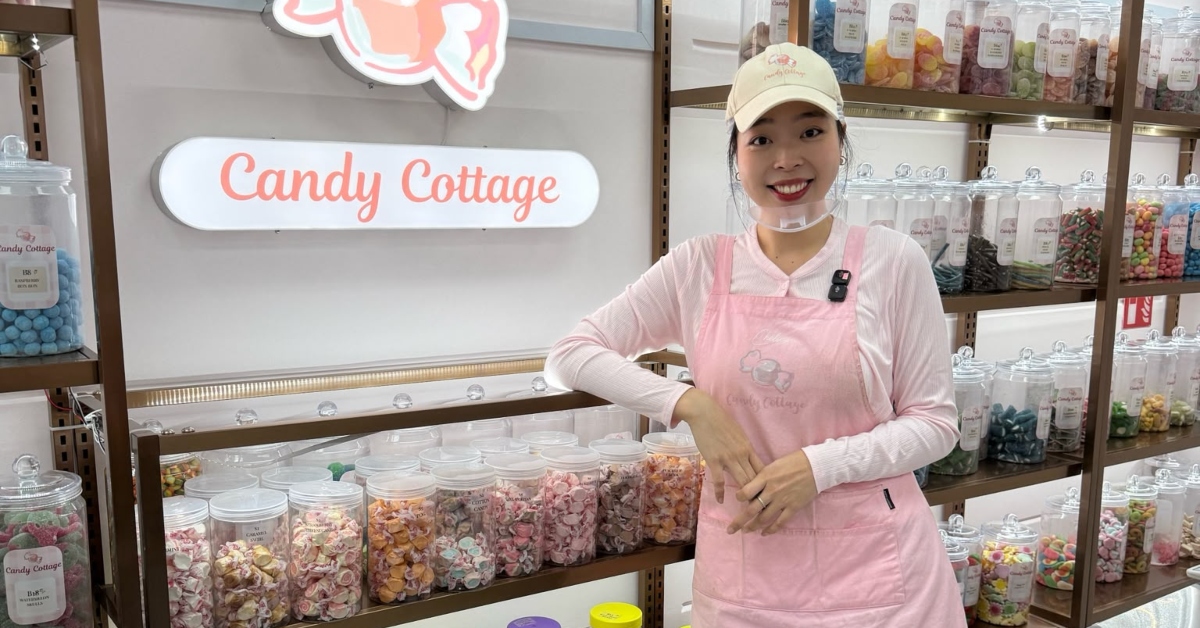
A Singapore Candy Seller’s Livestream Playbook Has Lessons for Malaysian SMEs
A candy seller in Singapore is showing how a small family business can turn livestream shopping into a repeatable operating system. Candy Cottage, founded by Chelsea Chan, began in 2022 with 30 candy varieties sold from her family home. According to Vulcan Post, the business later grew into a team of eight full-time workers, a catalogue of around 500 varieties and an online operation processing 150 to 200 orders on a typical day.
For a Malaysian SME owner, the important lesson is not candy. It is the way the business combines video, product discovery, live customer interaction and fulfilment. Whether you sell snacks, modest fashion, skincare, hardware, home décor or packaged food, your customers increasingly expect to see products demonstrated before they buy. The Candy Cottage story offers a practical example of how to turn that attention into a structured sales and operations workflow.
What Happened
Chelsea noticed a gap in Singapore’s retail market: customers could find familiar packaged sweets, but had fewer options to create their own pick-and-mix combinations. She started selling imported candy through Shopee livestreams in May 2022. Her first livestream generated about 10 orders over two to three hours, and the business reached 30 to 40 orders within a week, according to Vulcan Post.
The format was simple but engaging. Customers selected different sweets, and the seller created a mix based on their choices and weight. This gave shoppers a reason to stay in the livestream because the experience was more interactive than viewing a static product page. Customers could also discover unusual flavours, including a savoury cheese gummy that Chelsea initially did not expect to perform well, as reported by Vulcan Post.
By the time of the report, Candy Cottage was livestreaming six days a week for around six to seven hours per day across TikTok, Shopee, Lazada and its own website. The business averaged 50 to 80 concurrent viewers per platform and handled 150 to 200 orders daily, with sale days reaching 200 to 300 orders, according to Vulcan Post. The workflow resembled a small production line: products were selected on camera, then passed along for packing, sealing and boxing.
Growth also created compliance and fulfilment challenges. Candy Cottage had to respond quickly after the Singapore Food Agency informed the business that a licence was required for its expanded activities, particularly corporate supply, catering and events. The business also faced damaged bottles, melted candy, delivery disputes and the complexity of importing products from different countries, as documented by Vulcan Post.
Why This Matters for Malaysian SMEs
Malaysia has a strong social commerce culture, but many SMEs still treat livestreaming as an occasional promotional activity rather than a core sales channel. The Candy Cottage example suggests a different approach: design your livestream as a repeatable store opening with a host, a product sequence, customer service rules and a fulfilment process behind the camera.
Imagine a Malaysian snack seller presenting local biscuits, sambal, keropok and seasonal gift sets. Instead of displaying 40 products at once, you could organise the session into themes such as “office snacks”, “Raya gifting” or “under-30-minute supper ideas”. A fashion boutique could show how the same baju works for office wear, travel and family events. A hardware shop could demonstrate which drill bit suits concrete, wood or tiles. The product category changes, but the principle is the same: use live interaction to reduce uncertainty and help customers choose.
Livestreaming can also reveal demand that your existing sales reports miss. Chelsea’s experience with the cheese gummy shows that customers may buy products your team would not prioritise based on personal preference. For your business, live comments, repeat requests and abandoned product questions can become useful market signals. If viewers repeatedly ask for a certain colour, size, flavour, bundle or delivery area, record those requests instead of relying on memory.
There is a second Malaysian use case: corporate orders and events. Candy Cottage expanded beyond individual shoppers into corporate gifting, weddings and events, according to Vulcan Post. A Malaysian SME can use livestream content to demonstrate customised hampers, door gifts, branded packaging or event bundles. This gives business buyers a clearer view of what they will receive and can shorten the back-and-forth usually handled through messaging apps.
Key lessons you can apply
| Business area | Practical action |
|---|---|
| Content | Create a fixed product sequence so every livestream is easier to run. |
| Customer insight | Track repeated questions, requests and products that attract the most interaction. |
| Fulfilment | Separate product selection, packing, checking and dispatch responsibilities. |
| Sales channels | Use marketplaces for discovery while directing repeat customers to an organised owned channel. |
| Compliance | Check Malaysian licensing, food labelling, import and home-business requirements before scaling. |
“It actually runs like a small production line,” Chelsea said of the process in which products are picked and packed during livestreams, as quoted by Vulcan Post.
The Bigger Picture
The broader trend is that content and commerce are becoming part of the same operating workflow. A customer watches a demonstration, asks a question, sees social proof from other viewers and completes an order without leaving the platform. For a small team, this can be powerful, but only if the business can handle the operational consequences.
Start with a manageable schedule rather than copying another seller’s hours. Run one or two consistent sessions each week and document what happens before, during and after each stream. You need a product list, stock visibility, response scripts, order tagging and a clear handover to fulfilment. Automation can help by collecting order details, updating stock records, sending customer confirmations and flagging orders that need manual review.
Do not overlook regulatory requirements. Candy Cottage’s experience shows that moving from home-based selling into corporate supply, catering or events can change the obligations that apply to a business. In Malaysia, food sellers should verify the relevant local council, Ministry of Health, labelling, food safety and import requirements for their products. The specific rules depend on your activity and location, so consult the appropriate authorities or a qualified adviser before expansion.
Packaging and delivery also deserve early attention. Perishable, fragile or heat-sensitive products need suitable packaging, storage and courier processes. Your livestream may create demand, but a damaged item can undo the trust built during the broadcast. Test packaging with real delivery conditions, define a replacement process and record recurring delivery problems by courier, product and destination.
Finally, build your brand around conduct as well as products. Candy Cottage’s approach of keeping its streams positive is relevant to any Malaysian seller dealing with public comments, complaints and competitors. Prepare simple guidelines for hosts: remain polite, avoid making unverified claims, answer product questions clearly and escalate disputes instead of arguing in front of viewers.
The opportunity for Malaysian SMEs is not simply to go live more often. It is to connect livestream content with disciplined fulfilment, customer data and compliant growth. A small team that treats each broadcast as a measurable business process can learn faster, serve customers more consistently and create a stronger foundation for expansion.
Ready to Streamline Your Operations?
Technology moves fast. Your operations should keep up. AutoRunBiz builds AI systems that run your daily workflows — from WhatsApp order capture to accounting. Book a free 15-min ops audit →