
AI travel planning is becoming a business tool
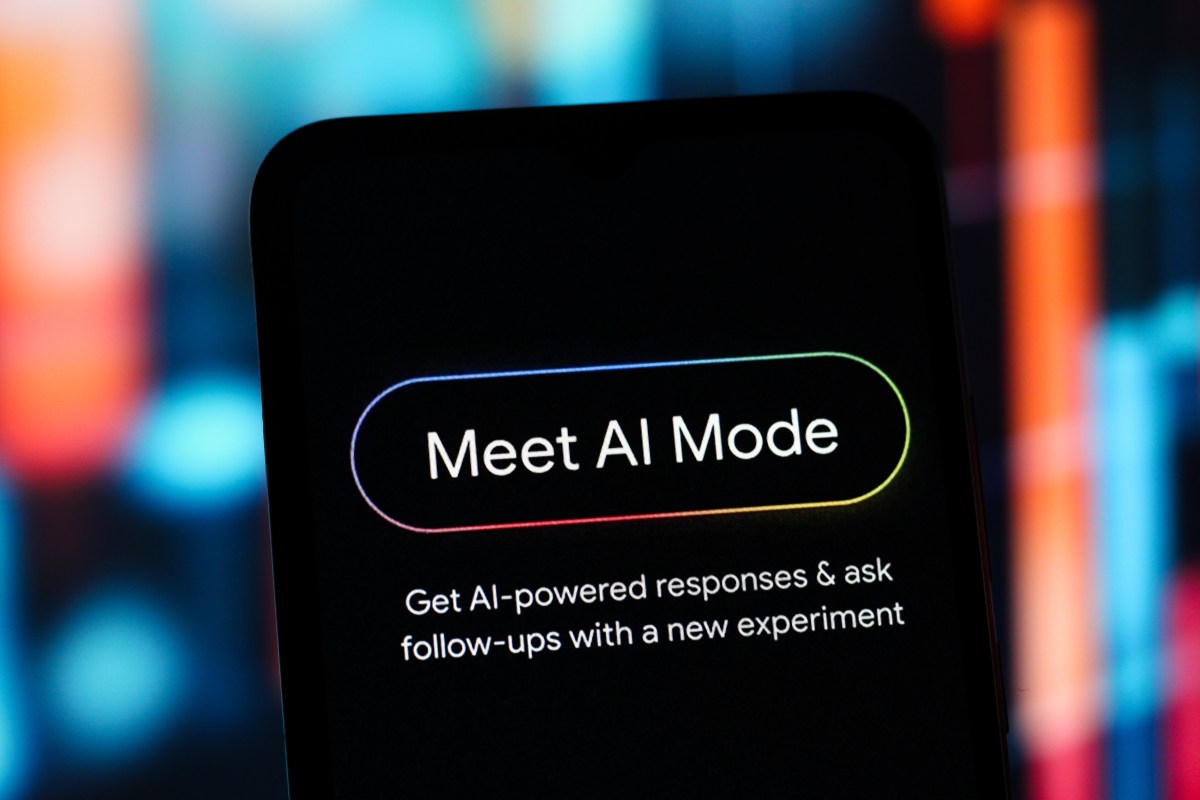
Google is moving its AI Mode beyond answering questions and towards completing practical travel tasks. The latest update lets users track flight prices, explore hotel options, build itineraries and view selected travel costs in points or miles. According to TechCrunch, Google says AI Mode can compare current options from more than 300 airlines and travel sites, while flight price tracking is available in more than 180 countries.
For a Malaysian SME owner, this is more than a convenient feature for personal holidays. It shows how customers are increasingly expecting businesses to research, compare and act through conversational technology. Whether you operate a tour company, corporate travel service, events business, hotel, restaurant or import-export company, the way people discover and organise travel-related services is changing.
What Happened
Google has added flight price tracking to AI Mode. Users can describe where and when they want to fly, review available options and ask Google to monitor prices. If prices change, Google says users will receive an email notification. The feature is available in more than 180 countries, according to TechCrunch.
AI Mode can also help users find and book hotels through a conversational process. A user can provide a destination, travel dates and preferences, then review hotel options alongside reviews and other factors. When the user chooses a property, Google can direct the booking process through integrated partners. The hotel or booking platform remains responsible for the booking and customer service, as reported by TechCrunch.
Google also announced that AI Mode can show flight and hotel costs in points or miles. The global availability of this feature means users may increasingly search using a mixture of dates, destinations, loyalty programmes and travel preferences rather than simple keywords. Hotel booking in AI Mode began rolling out in the United States in English with partners including Booking.com, Expedia, Hilton, Marriott International, Priceline and Trip.com, according to TechCrunch.
Why This Matters for Malaysian SMEs
Malaysia has a highly connected customer base, and many SME buyers already use search, maps, reviews and messaging before contacting a business. AI-assisted search adds another layer: the customer may no longer visit several websites, compare every page manually and then make a decision. Instead, they may describe their needs in one sentence and expect a shortlist, explanation and next step.
Consider a Malaysian tour operator selling Langkawi packages. A customer might ask an AI search tool to find a short island trip suitable for a family, with flexible dates and nearby activities. If your website has clear package details, accurate availability, current policies and structured information, your business has a better chance of being included in the customer’s consideration. If your information is scattered across social media posts or outdated brochures, the system may struggle to understand what you offer.
The same applies to SMEs that support business travel. A Kuala Lumpur training provider may host participants from Penang, Johor Bahru or Singapore. An AI travel assistant could help those participants compare flights and hotels before attending. Your organisation should therefore make essential information easy to find: venue location, recommended hotels, event dates, parking details, transport options, check-in times and contact channels.
Restaurants, hotels and activity providers can also prepare for more conversational discovery. A customer may ask for a halal-friendly group dinner near Bukit Bintang, a hotel with meeting facilities in Johor Bahru or a team-building activity in Sabah during a particular period. Your online presence should answer these specific questions directly rather than relying only on attractive images and general slogans.
| Business area | Practical action for you |
|---|---|
| Travel services | Publish destinations, inclusions, exclusions, dates and booking conditions in clear language. |
| Hotels and homestays | Keep room types, facilities, policies, location details and availability channels consistent. |
| Events and training | Provide complete venue, schedule, transport and accommodation information on one page. |
| Retail and services | Prepare answers for common questions about opening hours, delivery areas, suitability and booking steps. |
| Customer support | Use a shared record for enquiries so staff can respond consistently across WhatsApp, email and social media. |
How to prepare your business
Start with your information, not a complicated technology project. Review the pages customers use most often and remove ambiguity. State whether a package includes transport, meals, entrance tickets or accommodation. Explain cancellation and rescheduling policies in plain English and Bahasa Malaysia where appropriate. If dates or availability change frequently, assign someone to update them on a defined schedule.
Next, organise your enquiries. A simple automation workflow can capture a customer’s destination, preferred dates, group size, dietary requirements and contact details. The system can then route the enquiry to the right employee, create a follow-up reminder and store the conversation. This reduces the risk of a promising lead being lost in a personal inbox or WhatsApp chat.
You should also create internal rules for AI-assisted work. Staff may use AI to draft itinerary options, summarise hotel policies or prepare customer replies, but a human should verify live availability, booking conditions and sensitive information before anything is confirmed. This is especially important where travel changes, refunds or personal data are involved.
“The competitive advantage will not come from merely adding an AI button. It will come from keeping business information accurate enough for AI tools and employees to use confidently.”
The Bigger Picture
Google’s update reflects a wider shift from search as a list of links to search as an action-oriented assistant. The company is trying to help users move from planning to tracking and booking within one conversational experience, as described by TechCrunch. Other technology companies are also developing systems that combine recommendations, automation and transactions.
For Malaysian SMEs, this creates both opportunity and pressure. You may gain access to customers who are ready to buy, but you will also compete based on the quality and reliability of your digital information. Reviews, response speed, availability, policies and customer experience may matter as much as your logo or advertising message.
Your immediate priority should be practical readiness. Make your offerings easy to understand, keep business details current, connect enquiry channels to a central workflow and train staff to verify AI-generated suggestions. When conversational search becomes a normal route to a booking or enquiry, businesses with clean information and dependable processes will be easier to discover and easier to trust.
For an SME with one to 50 employees, that is a manageable starting point. You do not need to automate every task at once. Choose one customer journey, such as a hotel enquiry, event registration or tour quotation, map its steps and improve the handoffs. The businesses that begin documenting and automating these journeys now will be better prepared as AI-powered travel and commerce tools become more common.
Ready to Streamline Your Operations?
Technology moves fast. Your operations should keep up. AutoRunBiz builds AI systems that run your daily workflows — from WhatsApp order capture to accounting. Book a free 15-min ops audit →