
Travel planning is becoming a customer conversation
If you run a Malaysian travel agency, boutique hotel, tour business, corporate travel desk, or destination service, your customers may soon expect to plan trips by simply describing what they want. Instead of opening several websites, comparing tabs, checking reviews, and calling an agent, they can ask an AI tool to find suitable flights, monitor price changes, compare hotel options, and help complete a booking.
That changes the customer journey. Your business may no longer be discovered only through a Google search result or a familiar booking website. It may be recommended inside a conversation where the customer has already stated their destination, dates, preferences, loyalty points, and booking requirements.
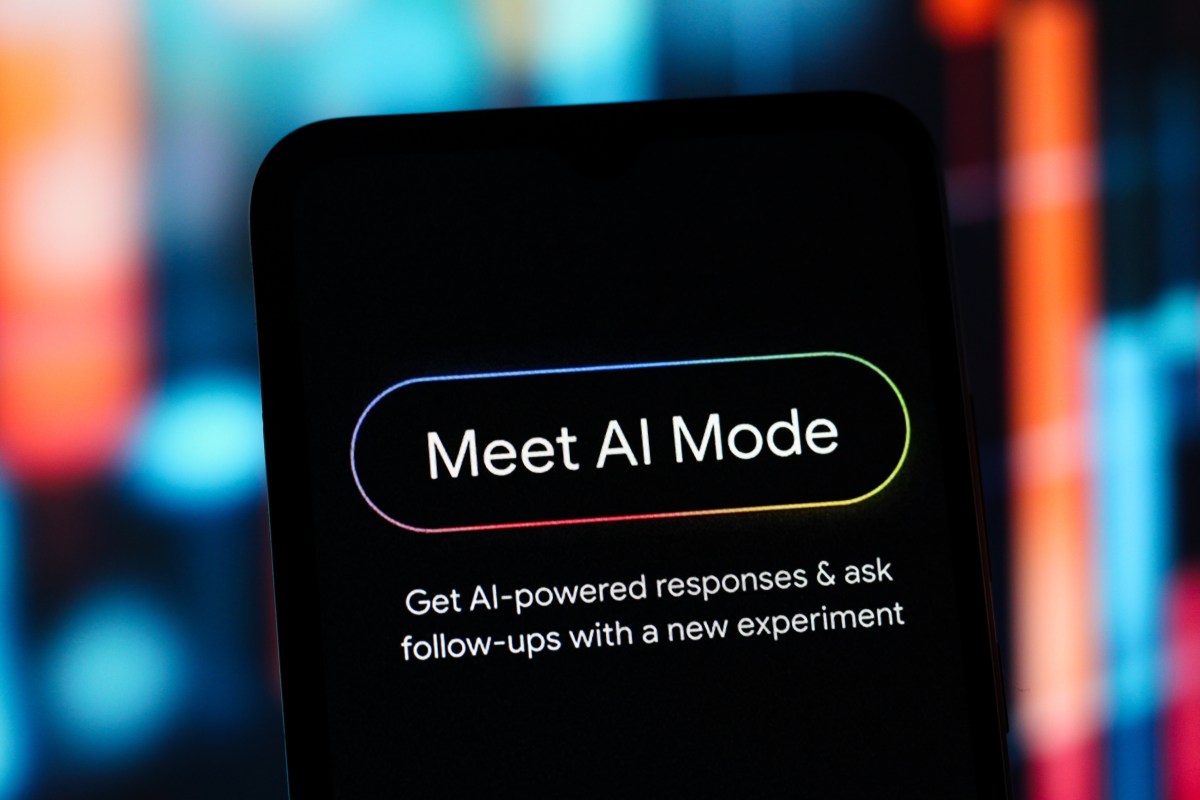
Google’s latest AI Mode update shows where travel discovery is heading. The service can now track flight prices, help users proceed with hotel bookings, and display selected flight and hotel costs in points or miles. The hotel booking rollout began in the United States in English, while flight price tracking is available in more than 180 countries, according to TechCrunch.
TL;DR
AI travel tools are moving beyond search and recommendations into price monitoring, itinerary building, and booking assistance.
For Malaysian SMEs, this means your business information, booking process, reviews, policies, and availability need to be clear enough for both customers and AI-driven discovery systems to understand.
What This Means
Google’s AI Mode is a conversational search experience. A traveller can describe a trip in ordinary language, such as wanting a short family holiday, a specific flight route, or a hotel with certain facilities. The tool then brings together relevant information and options rather than requiring the user to search each item separately.
According to the source article, AI Mode can show current flight options and prices from more than 300 airlines and travel websites. It can also track selected flight prices and send an email when prices change. The flight-tracking feature is available in more than 180 countries, as reported by TechCrunch.
For hotels, users can describe their trip and preferences, review available choices, and continue to an integrated booking partner. They can then select a room, check details such as cancellation terms, and complete the booking through the relevant booking flow. Google states that the hotel or booking platform remains responsible for the booking and customer service, as explained in TechCrunch.
The important point is not that every traveller will immediately use AI Mode. The more practical point is that customers are becoming comfortable asking software to filter choices and recommend the next action. If your information is incomplete, outdated, or difficult to interpret, your business may be harder to include in that recommendation process.
When customers ask software to do the comparison for them, your business must make its value easy to understand before the conversation reaches a human salesperson.
How This Applies to Malaysian SMEs
1. Boutique hotels need structured, accurate information. Suppose you operate a small hotel in Melaka, Langkawi, Ipoh, Kota Kinabalu, or Kuala Lumpur. A traveller may ask for a property near attractions, suitable for families, offering breakfast, parking, flexible cancellation, or access for guests with mobility needs. Your website and booking profiles should state these details clearly rather than relying on attractive photographs alone.
Make room types, bed arrangements, check-in times, facilities, location descriptions, cancellation policies, and contact details consistent across your website and booking platforms. If one channel says you have airport transfers while another does not, customers may hesitate. Clear information also helps your staff answer questions faster because the basic facts are already documented.
2. Travel agencies can focus on planning value instead of simple searches. If you arrange corporate trips, school tours, family holidays, or religious travel, customers may use AI tools to compare basic flights and hotels before contacting you. That does not remove your role. It raises the value of your expertise.
You can differentiate through visa guidance, group coordination, local transport, supplier relationships, emergency support, itinerary design, and recommendations based on the traveller’s real priorities. For example, a Malaysian SME travel agency could prepare separate itineraries for a family with young children, a company attending an exhibition, or a group seeking halal-friendly dining and prayer facilities. Your service should explain the decisions you handle that an automated comparison may not cover.
3. Tour operators should describe experiences in customer language. A tour listing that only says “three-day island package” is difficult to match with a specific customer request. A clearer description could explain whether the trip suits first-time visitors, families, senior travellers, photographers, corporate groups, or guests seeking a relaxed schedule.
Include practical information such as trip duration, meeting point, transport arrangements, physical activity level, meal options, weather considerations, group size, languages supported, and what is excluded. This helps customers make better decisions and reduces repetitive questions on WhatsApp. It also gives search and recommendation systems more useful context about your offering.
4. Corporate travel providers should prepare for price-monitoring behaviour. A company may not book immediately. Its staff could monitor fares, compare dates, and wait for a suitable option before requesting approval. If you support business travel, create a simple process for handling fare changes, approval limits, traveller preferences, passport details, and itinerary updates.
A central customer record can prevent your team from searching through old emails and chat messages. When a traveller asks for a revised route, your staff should be able to see the original request, preferred airlines, approved dates, and special requirements. Automation can help send reminders and updates, while a staff member remains responsible for exceptions and sensitive decisions.
5. Local businesses should treat reviews as operational feedback. AI-assisted travel planning is likely to consider reviews and key factors when presenting options. Google’s update says hotel options can be shown with reviews and relevant factors, according to TechCrunch.
Do not view reviews only as a marketing exercise. Group recurring comments into operational categories: cleanliness, response time, breakfast, parking, noise, check-in, transport, and accuracy of listing information. Assign an owner and a deadline to each improvement. Reply professionally and make sure changes are reflected in your public information.
Practical Takeaways
- Audit your listings: Check your website, Google Business Profile, booking platforms, social pages, and directory entries for conflicting details.
- Write for real questions: State who your service suits, what is included, what is excluded, and what customers need to prepare.
- Clarify booking rules: Display cancellation, amendment, check-in, payment, refund, and rescheduling policies in plain language.
- Track availability carefully: Keep room, vehicle, guide, and tour availability updated across the channels you use.
- Build a response library: Prepare accurate answers for common questions about transport, facilities, meals, accessibility, groups, and itinerary changes.
- Use one customer record: Store enquiries, preferences, documents, quotations, confirmations, and follow-ups in one organised system.
- Review your supplier arrangements: Make sure you know which platform handles booking changes, customer support, cancellations, and service complaints.
- Train staff on exceptions: Automation can handle routine updates, but people should review unusual requests, urgent disruptions, and complaints.
A simple readiness check
| Business area | What to check | Useful target |
|---|---|---|
| Public information | Are facilities, policies, location, and contact details consistent? | Review every major channel monthly |
| Customer response | Can staff find the latest enquiry and requirements quickly? | Use one shared customer record |
| Booking operations | Are availability and confirmation steps documented? | Assign one process owner |
| Reviews | Are repeated complaints assigned for action? | Review feedback weekly |
| AI readiness | Can a customer understand your offer without calling first? | Rewrite unclear descriptions |
The Bigger Picture
Travel businesses have traditionally competed for attention through search rankings, advertisements, social media, referrals, and booking platforms. Conversational AI adds another layer: customers can state their intent first, then receive a filtered set of options.
That makes accurate business data more important. Your opening hours, room information, policies, reviews, service areas, and booking links are not just website content. They are instructions that help customers and software understand what you actually provide.
There is also a trust issue. Travellers still need confidence that prices, availability, cancellation terms, and service promises are correct. Google’s article notes that integrated hotel partners remain involved in completing bookings and handling customer service, as reported by TechCrunch. Your own systems should make responsibility equally clear. Customers should know who confirms the booking, who handles changes, and how they can reach a human when plans go wrong.
For a Malaysian SME, the sensible response is not to chase every new AI feature. Start with the basics: clean information, dependable processes, fast follow-up, and useful human support. Then automate repetitive work such as enquiry capture, reminders, staff notifications, review requests, and customer updates.
If you do this well, AI-assisted discovery becomes another route for suitable customers to find you. More importantly, your business becomes easier to operate even when customers continue using traditional search, messaging apps, travel platforms, or direct calls.
Ready to Streamline Your Operations?
Your business should run itself. AutoRunBiz deploys AI agents to automate your daily operations — WhatsApp orders, invoicing, customer follow-ups, and accounting. Book a free 15-min ops audit to see where automation fits your business →