
Waymo’s Gemini Update Is About More Than Cars
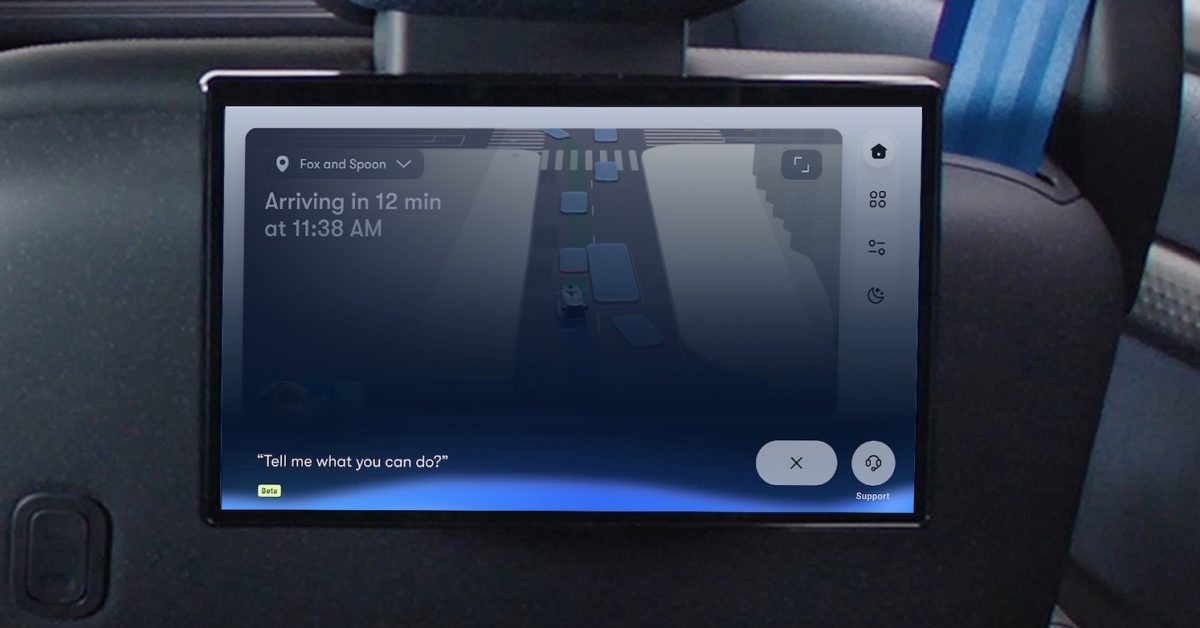
You’ve seen the headlines: Waymo, the robotaxi company, just added Google’s Gemini AI assistant to its new Ojai vehicle, alongside a redesigned screen interface.source It’s getting a lot of attention, and for good reason. But if you run a small business in Malaysia, you might wonder what this has to do with you.
Here’s the thing: Waymo isn’t just updating its technology. It’s changing what a “good” experience looks like. Your customers, whether they engage with you in retail, food service, or professional advice, are starting to expect similar levels of interaction. They want quick answers, personalized service, and a conversation that doesn’t feel like talking to a robot.
This shift matters, even if you never step into a self-driving car. Let’s break down what Waymo’s move means for your business, and how you can apply the same thinking today.
TL;DR
Waymo is putting Google’s Gemini AI into its robotaxis to let passengers chat naturally about controls, information, or local tips. This shows how AI can turn a simple transaction into a richer, more helpful experience. For your SME, you can start thinking about how conversational AI might handle common customer questions or personalize service—without needing a large team or complex tools.
What This Means
Waymo’s Gemini assistant is not just a voice command system. It’s a conversational AI that can handle open-ended questions and tasks. Passengers can say “turn the A/C to 65” or “what’s the history of this building?” and get a useful response. Importantly, it runs separately from the system that drives the car. As Waymo puts it, Gemini is “a helpful passenger in the next seat, there to chat while the Driver watches the road.”source
This is significant because it moves AI from a simple tool to an interactive companion. The assistant stays inactive until you call on it, addressing privacy concerns. It’s also the first major update to Waymo’s rider interface in years, with a “lean-back” design that adapts to each passenger’s seat. One feature, Calm Mode, even dims the screen to reduce distraction.source
The takeaway is clear: even in a high-tech field like autonomous driving, the battleground is shifting from “can we do it?” to “how does it feel?” for the user. That same question applies to your business.
How This Applies to Malaysian SMEs
Your customers are getting used to smart, conversational interactions from other services. When they visit your website, message you on WhatsApp, or call your office, they expect the same ease. Here’s how this trend relates directly to your SME.
Retail and service businesses can use AI for common questions. If you run a retail shop, customers often ask about store hours, stock availability, or return policies. A chatbot powered by a conversational AI like Gemini can handle these queries in a friendly way, freeing your staff to focus on sales and service. Similarly, if you offer services like consultations or repairs, an AI assistant can schedule appointments or provide basic information without human intervention.
Personalization becomes accessible. Waymo’s new interface shows different information on different screens based on which seat is occupied. That’s a level of customization that feels premium. For your business, this could mean using past interactions to tailor recommendations. For example, a simple “since you bought this, you might like that” message, triggered by an AI assistant, can increase sales without being pushy. You don’t need complex systems; many accessible CRM tools include AI features for this.
Start small and focus on one channel. Waymo didn’t build a general AI; they focused on in-ride assistance. You can do the same. Identify where your customers have the most friction—perhaps it’s during checkout or when asking for support. Pick one channel, like website chat or WhatsApp, and set up a simple conversational flow to address that friction. Test it, get feedback, and refine. This iterative approach saves time and effort.
Practical Takeaways
- List your top five customer questions. These are the best candidates for an AI-powered assistant.
- Start with a simple tool. Platforms like ManyChat, Tidio, or WhatsApp Business API can help you set up automated conversations quickly.
- Design for a single channel first. Whether it’s your website, messaging app, or phone, pick where you get the most queries.
- Keep conversations natural. Like Waymo’s Gemini, your AI should handle open-ended questions, not just fixed commands.
- Always give an out. Make sure customers can easily reach a human if needed. Waymo’s assistant stays optional until engaged.
- Measure what works. Track how often the assistant resolves a query versus needing escalation. Use that data to improve.
The Bigger Picture
Waymo’s update is part of a larger trend: AI is moving from behind-the-scenes automation to front-facing interaction. It’s no longer just about optimizing processes; it’s about enhancing the moment when a customer connects with your brand.
For Malaysian SMEs, this is a chance to stand out. Larger companies may have more resources, but smaller businesses can be more agile. You can adopt conversational tools quickly, iterate based on real feedback, and create a personal touch that big corporations often lack. The key is to start now, while the trend is still emerging.
The robotaxi example is striking because it shows how even cutting-edge technology is being used to make experiences warmer, not colder. This is not about replacing human interaction. It’s about augmenting it so you can deliver better service without adding more stress to your team.
“Gemini acts as a helpful passenger, there to chat while the Driver watches the road.” — Waymo source
Waymo by the Numbers
| Metric | Value |
|---|---|
| Active robotaxis | Over 3,000source |
| Weekly paid rides | ~500,000source |
| Operating cities | 11+source |
These numbers show that autonomous services are becoming mainstream. As they grow, the expectations they set will ripple into other industries. Your customers will compare their experience with you to the best interactions they have elsewhere.
What You Can Do Next
Start by listening to how your customers ask for help. Are they using the same phrases? Frustrated by slow responses? That’s where AI can help. You don’t need to reinvent the wheel. Take inspiration from how Waymo designed its assistant: focused, conversational, and always optional.
If you’re not sure where to begin, choose one small project. Maybe it’s a chatbot for your most common question. Or a simple voice menu for your business phone. Measure the impact. Then build from there. The goal is not to be like Waymo, but to give your customers the same feeling of being taken care of.
This trend isn’t going away. The businesses that start paying attention to conversational AI now will be the ones who set the standard in their markets tomorrow.
Ready to Streamline Your Operations?
Your business should run itself. AutoRunBiz deploys AI agents to automate your daily operations — WhatsApp orders, invoicing, customer follow-ups, and accounting. Book a free 15-min ops audit to see where automation fits your business →