
Why Solid-State Batteries Matter for Your Malaysian SME
Imagine a future where your delivery fleet charges in under 20 minutes, your backup power systems last twice as long, and your equipment runs reliably even under Malaysia’s tropical sun. That future is accelerating toward reality. A significant alliance between South Korea’s SK On and US-based Factorial Energy was announced this week, aiming to mass-produce solid-state EV batteries. While this might seem like a story for automakers, it carries profound implications for you as a Malaysian SME owner. From logistics and manufacturing to storage and tech, understanding this shift can help you stay ahead of the curve. Let’s break down what happened, why it matters for your business, and how to think about the bigger picture. (Electrek)
What Happened: Two Leaders Join Forces to Scale Solid-State Tech
On July 29, SK On and Factorial Energy signed a Memorandum of Understanding to collaborate on scaling solid-state battery production. The partnership focuses on integrating Factorial’s FEST (Factorial Electrolyte System Technology) solid-state cells into SK On’s global manufacturing network, which spans facilities in the US, South Korea, and beyond. (source) Solid-state batteries promise higher energy density, faster charging, and greater safety than conventional lithium-ion batteries. However, manufacturing them at scale has been a hurdle due to challenges like finding a stable, conductive solid electrolyte. (source)
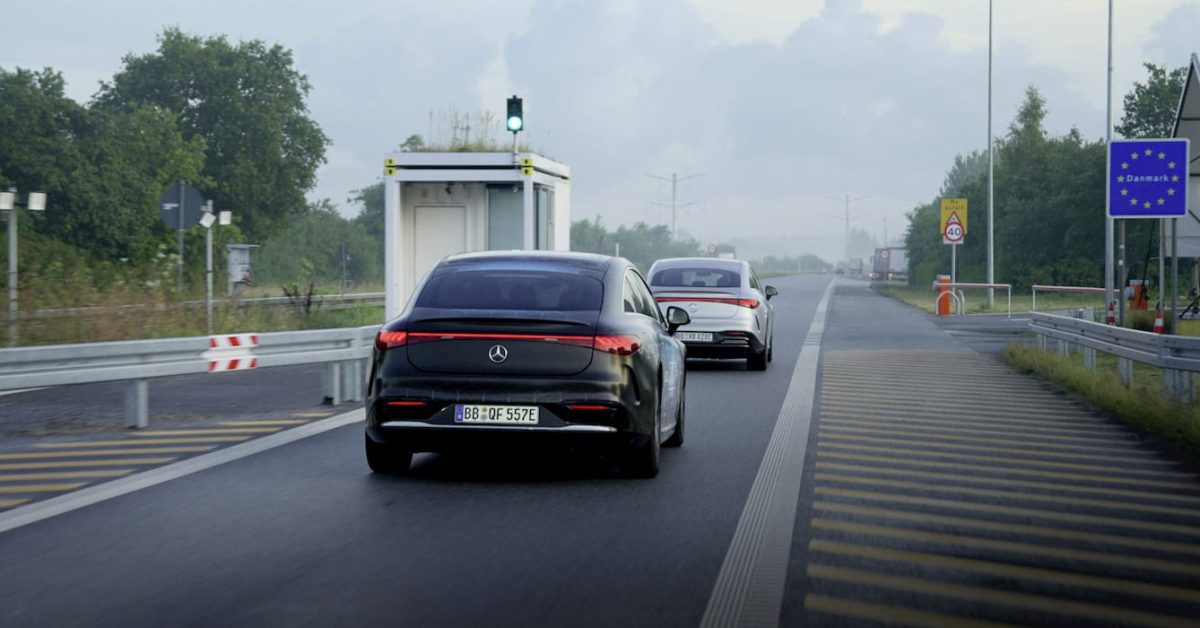
Factorial’s technology has already been tested with leading automakers like Stellantis and Mercedes-Benz. In tests, their 77Ah cells achieved an energy density of 375 Wh/kg and charged from 15% to 90% in just 18 minutes, even performing in extreme temperatures from -30°C to 45°C. (source) Mercedes-Benz even drove a modified EQS over 745 miles on a single charge using Factorial’s cells. (source) SK On adds manufacturing muscle with over 200 GWh of annual production capacity, supplying batteries to Hyundai, Ford, and Volkswagen. (source) The alliance aims to determine how SK On’s plants can support Factorial’s tech for mass production. As Factorial’s CEO noted, “A battery breakthrough only matters if it can be manufactured at scale.” (source)
“A battery breakthrough only matters if it can be manufactured at scale.” — Siyu Huang, CEO of Factorial Energy (source)
Why This Matters for Malaysian SMEs
For you as a Malaysian SME owner, this isn’t just about electric cars—it’s about powering your daily operations more efficiently. If you run a logistics or delivery business, think about the impact of batteries that can fully charge in under 20 minutes and deliver longer range. This could mean fewer stops, lower downtime, and the ability to operate fleets more effectively in Malaysia’s urban and rural environments. (source) Whether you use vehicles for transportation, cold-chain logistics, or service calls, solid-state batteries could reduce operational friction significantly. More importantly, as Malaysia pushes toward EV adoption under the National Energy Transition Roadmap, early movers who integrate better batteries into their fleets could gain a competitive edge in bidding for green contracts or serving increasingly eco-conscious customers.
Beyond transport, consider your stationary energy needs. Many Malaysian SMEs rely on backup generators or UPS systems that use lead-acid or lithium-ion batteries. Solid-state technology offers higher energy density and better thermal stability, which is crucial in Malaysia’s humid and hot climate. For manufacturers, solar storage for production lines, or even for powering remote equipment, these batteries could provide more reliable and longer-lasting energy solutions. (source) Staying informed about these advances helps you make smarter decisions when you upgrade your power systems. Don’t rush to replace everything tomorrow, but start observing how battery tech evolves—it might soon offer a tangible return on investment for your business.
The Bigger Picture: Global Trends, Local Opportunities
The SK On-Factorial alliance is a signal that solid-state batteries are moving from labs to factories. With partners like Mercedes-Benz, Hyundai, Kia, and Stellantis already testing Factorial’s cells, commercialization is accelerating. (source) For Malaysian SMEs, this aligns with regional trends: Southeast Asia is becoming a hub for EV manufacturing, with Malaysia positioning itself as a key player in battery assembly and tech adoption. As global supply chains for batteries shift, being aware of these developments helps you plan for future costs and capabilities. The post is not about buying expensive tech now, but about understanding the direction of innovation so your business remains agile.
Think about sectors like e-commerce, warehousing, or agribusiness that rely on consistent energy and mobility. Solid-state batteries could make electric tractors, drones, or even portable tools more practical. (source) Additionally, the alliance’s focus on manufacturing scale means global production will likely increase, potentially lowering costs over time—though the article doesn’t discuss pricing. For you, this underscores the importance of monitoring tech cycles. When solid-state batteries become mainstream in the mid-2020s and beyond, you’ll want to be ready to adopt them where they add value to your business.
Key Points for Your Business Strategy
Here’s a quick breakdown of how solid-state battery advancements could affect different SME operations:
| Business Aspect | Current Status (Lithium-ion) | Potential with Solid-State |
|---|---|---|
| Vehicle Fleet Runtime | ~200-300 km per charge | Over 1,000 km per charge (source) |
| Charging Time (15-90%) | 30-40 minutes typical | Under 18 minutes (source) |
| Temperature Tolerance | Degrades above 40°C | Operates -30°C to 45°C (source) |
| Energy Density | ~250 Wh/kg | 375 Wh/kg (source) |
| Safety | Risk of leakage/thermal runaway | More stable solid electrolyte |
These advantages aren’t just theoretical—they’re being road-tested right now with major automakers. For your SME, the message is clear: the tools and technologies you rely on are on the cusp of a major upgrade. By staying engaged with stories like this, you position your business to adopt innovations that improve efficiency and resilience.
How to Prepare as a Malaysian SME Owner
First, don’t ignore the news. This alliance is part of a global movement that will eventually trickle down to equipment and vehicles available in Malaysia. Start a simple watchlist of battery tech trends—stories like this from reliable sources like Electrek can be early indicators. (source) Second, assess your current energy and mobility dependencies. Are you planning to purchase an electric vehicle for your business next year? Then consider flexibility in leasing or financing models that allow for upgrades as solid-state batteries become available. Third, talk to your suppliers about their timelines for adopting new battery technologies. If you run a manufacturing SME, knowing when more durable batteries might arrive for your forklifts or backup power can guide capital expenditure.
Finally, remember that this isn’t about immediate action—it’s about awareness. As Peter Johnson reports for Electrek, the partnership between SK On and Factorial Energy is a significant step toward scaling a breakthrough. (source) For you, the owner of a 1-50 employee business in Malaysia, every piece of knowledge is an asset. The future of energy is changing faster than ever, and staying informed ensures you make decisions that keep your SME lean, effective, and prepared for what’s next.
Ready to Streamline Your Operations?
Technology moves fast. Your operations should keep up. AutoRunBiz builds AI systems that run your daily workflows — from WhatsApp order capture to accounting. Book a free 15-min ops audit →