
What One London “Anti-Hustle” Founder House Teaches Malaysian SME Owners
It’s 9pm and you’re still answering WhatsApp messages from customers. You skipped lunch again. The to-do list has quietly swallowed your last three weekends, and you keep telling yourself this is just a busy season. But deep down, you know the busy season never really ends.
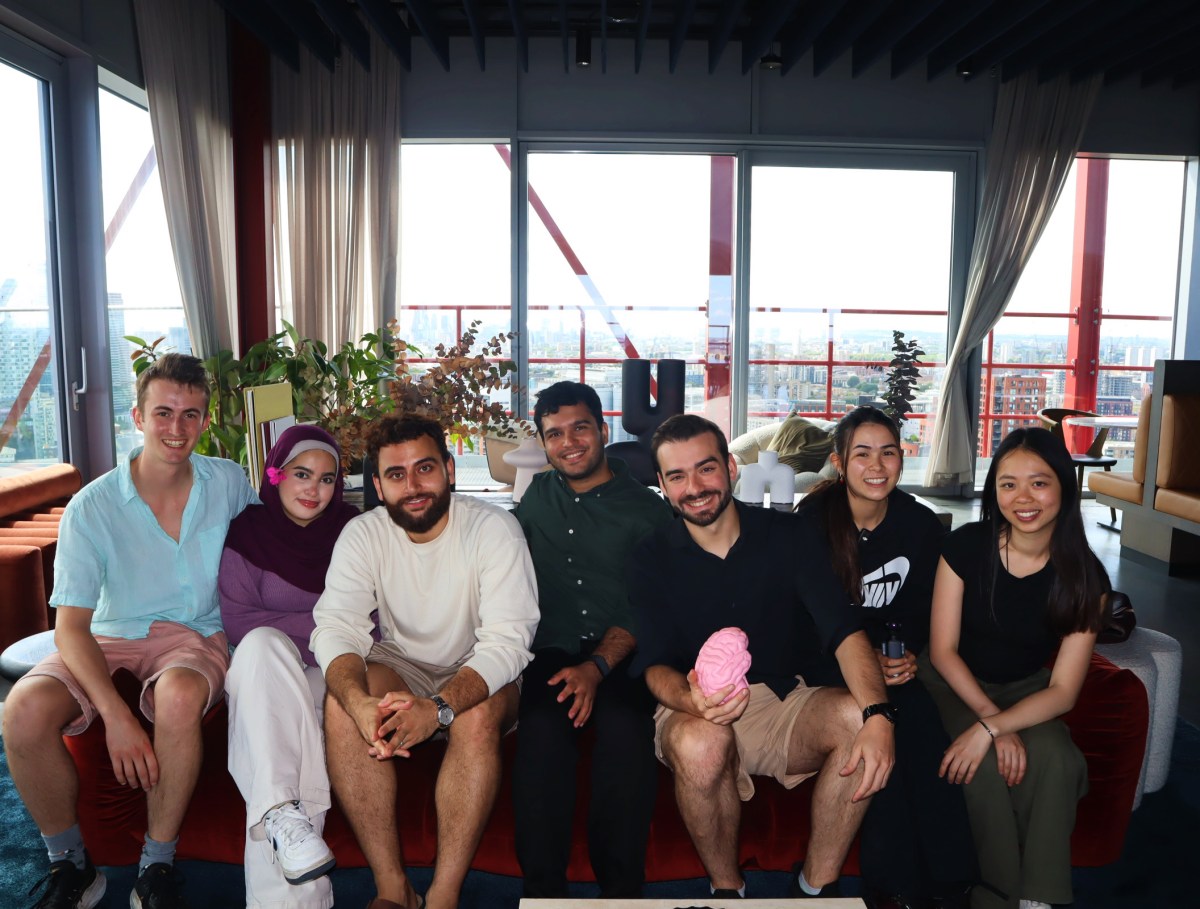
Now consider six founders in East London who have built the opposite. They live in a six-story co-living and co-working space called the Lift House — part startup house, part deliberate rejection of Silicon Valley’s burnout culture. Their routine includes Sunday journaling, Tuesday volleyball, shared dinners, and a piano in the living room. No 72-hour sprints. No performative grind. Just ambition with boundaries.
You might be thinking: that’s a startup thing, not a business thing. Fair. But their argument isn’t that balance feels nice. It’s that balance is what allows a business to be built sustainably in the first place. And that argument applies whether you run an F&B outlet in Penang, a logistics firm in Shah Alam, or a digital agency in Johor.
TL;DR: The London founders at Lift House are proving you can be seriously ambitious without destroying yourself in the process. Malaysian SME owners can apply the same principles right now: protect your energy like it’s a key asset, build a small support circle, review your week honestly, and automate the repetitive tasks that quietly drain you. The goal isn’t doing less — it’s building more without breaking.
What This Means
A TechCrunch visit to Lift House paints a picture of six twentysomething founders who live and work under one roof. The house is the brainchild of Rowan Aldean, who sold his previous company and now runs an applied AI startup. Aldean says he doesn’t expect “the performative and over-the-top events” that define San Francisco hacker houses. He points to DeepMind — the London AI company that has won Nobel prizes without any song and dance — as the model.
This isn’t anti-ambition. Look at the numbers: London AI startups raised $12 billion in 2026 out of $14.7 billion total for London startups, according to Dealroom. Six companies raised over $500 million each. The ecosystem is both balanced and wildly successful. What’s different is the culture: residents keep flexible schedules — one wakes at 8am, another rarely before 10am. Nobody romanticizes the early morning or the all-nighter.
“I always make sure to have lunch now, which is something that is simple, but I wasn’t doing before I lived here.” — Luke, 27, Lift House resident
How This Applies to Malaysian SMEs
First, your energy is your company’s most important asset. In a business with one to fifty employees, you are the bottleneck. Every decision, every approval, every escalation passes through you. When you’re running on fumes, you don’t just feel tired — you make short-sighted decisions that take months to unwind. And in Malaysia, where business is deeply relationship-driven, customers expect you to be available at all hours, which makes boundaries even harder. The Lift House founders protect their capacity deliberately. Aldean doesn’t apologise for his 10am wake-up. You can do the same: declare specific hours when work genuinely can’t reach you, and treat them as non-negotiables. The business will survive your three hours offline. It won’t survive your collapse.
Second, community is your safety net. The Lift House residents cook together, play in a volleyball league, and host rooftop dinners with investors and researchers. That community catches small problems before they become crises. Malaysian SME owners are often profoundly isolated — no co-founder, no boss, no peer who truly understands the weight. Isolation amplifies stress. You don’t need to move into a hacker house to fix this. Find three or four business owners from non-competing industries and meet monthly. Talk about struggles, not just wins. One honest conversation a month changes how you carry the load.
Third, structure beats willpower. The residents journal every Sunday, tracking how much time they spent in nature, how well they ate, and how much they moved. That might sound soft, but it’s actually a weekly review of the one resource their businesses run on: their own energy. You already review your sales, your stock, your accounts. Add a 15-minute Sunday review of your week — what drained you, what filled your tank, and which tasks should be delegated or automated. This is where we at AutoRunBiz come in. The repetitive work that drains you daily — answering the same customer questions, re-entering data, sending reminder after reminder — is the quiet burnout generator. Automating those tasks isn’t about cutting corners. It’s about buying back the hours that belong to your recovery.
Fourth, resist the local version of “tall poppy syndrome.” The article describes how British culture punishes founders who become too visibly successful, keeping people humble but also exhausted. Malaysia has a similar dynamic: a professional culture that values “showing face,” appearing busy, and being available at all times. The Lift House residents measure success differently — not by hours logged or hustle posted, but by whether their companies are progressing while their health stays intact. That’s a far more useful metric for you too.
Practical Takeaways
- Block a weekly 30-minute “energy review” in your calendar. Same slot every week, like your Monday team meeting.
- Schedule lunch as a non-negotiable. Treat it like a client appointment.
- Form or join a monthly circle of 3–5 non-competing business owners. Speak honestly about struggles.
- Pick one repetitive task this month — customer enquiries, follow-ups, data entry — and automate it.
- If you lead a team, model rest visibly. Take your break. Leave on time. Your people mirror your behaviour.
The Old Way vs. The Sustainable Way
| The Burnout Trap | The Sustainable Alternative |
|---|---|
| Skipping lunch to “save time” | Scheduled meals — fuel for better decisions |
| Answering messages from 7am to 11pm | Defined off-hours, protected like a contract |
| Grinding in isolation | A monthly peer circle for honest talk |
| Never reviewing your own energy | A weekly review of what drained and filled you |
| Doing everything manually | Automating repetitive tasks to win back hours |
The Bigger Picture
The Lift House is part of a broader shift the article calls “Londonmaxxing” — founders optimising everything the London ecosystem offers, including a life outside of work. The “996” work culture and the 72-hour sprints of Silicon Valley are being openly rejected.
Long-term, this changes the talent game. The younger people you’ll hire in the next five years are watching. They’ve watched parents and older colleagues burn out. They’re actively choosing employers and partners who demonstrate sustainable habits, not just slogans. Malaysian SMEs that build cultures of rest, honest review, and smart automation will attract better people and make better decisions. The ones that treat burnout as a badge of honour will keep losing their best people — and their own health.
The Lift House residents aren’t doing less. They’re doing work that matters, with recovery built in. The same question applies to your business: are you building something that can run without you at 9pm, or are you the reason it can’t?
Ready to Streamline Your Operations?
Your business should run itself. AutoRunBiz deploys AI agents to automate your daily operations — WhatsApp orders, invoicing, customer follow-ups, and accounting. Book a free 15-min ops audit to see where automation fits your business →