
Your Brain Doesn’t Stop at the Office Door
You know the feeling. You’re walking out of a client meeting in PJ, and suddenly the perfect idea for their packaging line hits you. Your hands are full with samples. Your phone is buried in your bag. You tell yourself you’ll remember it. And by the time you’re stuck in traffic on the LDP, it’s gone. That lost moment is more than an irritation—for a Malaysian SME owner, it’s a missed opportunity.
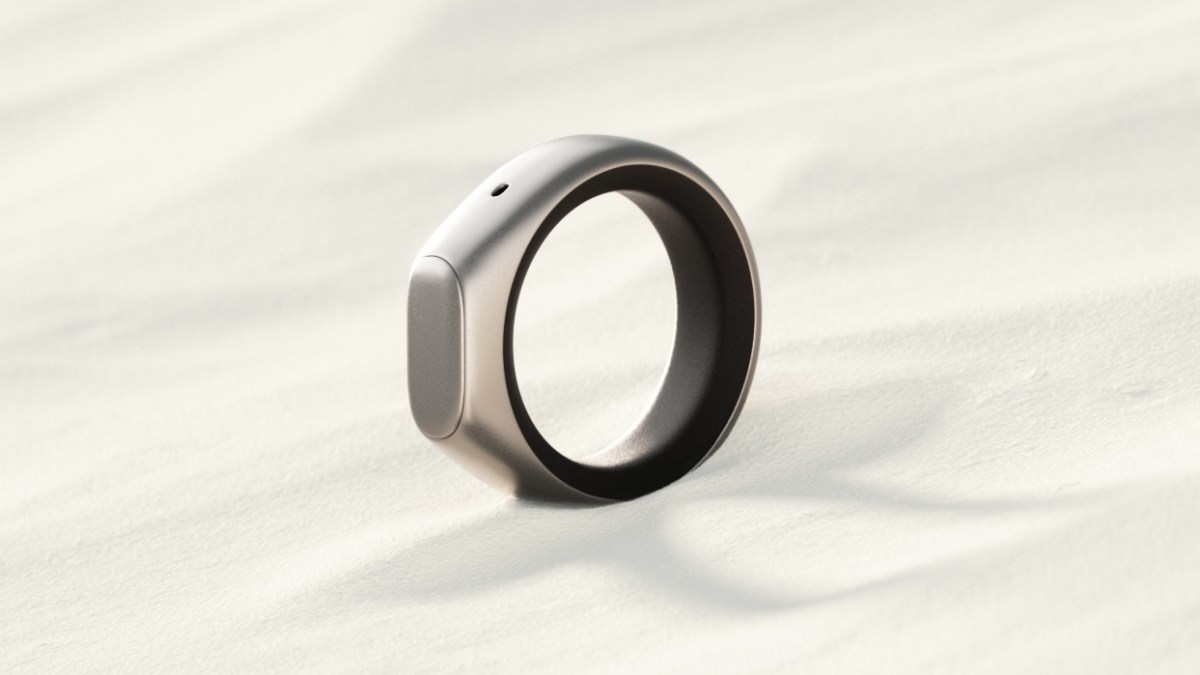
This is exactly the problem a new wave of AI voice wearables is trying to solve. The latest is Sandbar’s Stream, a voice-enabled ring that promises to capture your stray thoughts and turn them into notes, summaries, and action items. But for every wearable that succeeds, dozens vanish into what TechCrunch calls the “AI hardware graveyard.” Why should you care? Because this story tells you something crucial about how to choose the right automation tools for your business.
What Happened
Sandbar is a startup that has secured significant backing from investors like Adjacent and Kindred Ventures, according to a recent TechCrunch Equity podcast episode. Its product, Stream, is a ring that you speak into, push-to-talk style, rather than a device that constantly listens. Co-founder and CEO Mina Fahmi deliberately chose this design because he believes always-on audio capture is both socially unacceptable and impractical. He argues that keeping the human firmly in control is what it will take for wearable AI to break through, as TechCrunch reports.
The broader market is crowded with credit-card-sized recorders, pendants, pins, and earbuds, all promising to summarise your meetings. Many have failed because they forced users to change their behaviour too much. Fahmi’s background at CTRL-labs—a neural interface startup that Meta acquired in 2019—taught him that natural, human-driven input matters more than flashy technology, according to the episode.
Sandbar chose the hard path of building fully custom hardware instead of reskinning an off-the-shelf device. That’s a “gruelingly painful” process, Fahmi admits, but it’s the only way to get the ergonomics and battery life right. For a ring to matter, it has to be forgettable—you wear it all day and it becomes part of your hand.
Why This Matters for Malaysian SMEs
Consider the many moments in your day when your hands are busy but your mind is racing. You’re driving to a supplier in Penang. You’re inspecting your workshop floor in Johor. You’re hosting a family dinner while a business idea nags at you. With a push-to-talk ring, you just lift your thumb, say a few sentences, and the AI transcribes, summarises, and files it for later. No phone to unlock. No app to open. No voice assistant shouting over your car stereo. That kind of frictionless capture could be a game-changer for SME owners who juggle operations, sales, and people decisions—all in the same day.
But why push-to-talk instead of always-on? Think about confidentiality. Malaysian SMEs often discuss sensitive matters with clients and staff: pricing, payroll, disputes. The idea of a device that records everything in the room legitimately makes people uncomfortable. By making the user the sole trigger, a ring like Stream respects that boundary. It also avoids the embarrassment of accidentally recording a private conversation. In a market like Malaysia, where trust and discretion are crucial in business relationships, that “human in control” design is not a limitation—it’s a feature.
You already use voice notes in WhatsApp, right? This is that concept on a dedicated piece of hardware, with better accuracy and automatic action items. But you don’t need a ring specifically to benefit from the principle. This trend reveals something bigger: your business should adopt tools that conform to your habits, not the other way around. Sandbar’s approach is a reminder that the best automation is invisible.
“Keeping the human firmly in control is what it’ll take to get wearable tech right.” — Mina Fahmi, CEO of Sandbar, via TechCrunch
The Bigger Picture
The AI hardware graveyard is full of devices that were technically impressive but socially awkward. The problem wasn’t the microphones or the models—it was that real people couldn’t see themselves wearing those devices in a meeting in Kelana Jaya or a kopitiam. Sandbar’s bet is that normalcy wins. If a ring looks like jewellery rather than a spy gadget, it stands a chance.
For your SME, this signals a gradual shift toward voice as a primary interface for business tools. Over the next few years, expect to see more AI features embedded in things you already use: your phone, your meeting software, your employee communication app. The question isn’t whether you should buy a ring today. The question is whether your business is structured to capture and act on ideas quickly.
There’s a deeper lesson here. Sandbar succeeded in raising investor confidence because it asked a simple question: what makes people uncomfortable about AI wearables? The answer was control. In the same way, when you automate your business processes—whether it’s customer follow-ups, inventory tracking, or lead management—you should ask what your employees and customers are comfortable with. Tools that feel invasive or confusing will be abandoned. Tools that feel natural will be adopted.
Key Takeaways for Malaysian SME Owners
- Friction kills adoption: If a tool makes a task harder instead of easier, your team won’t use it.
- Privacy builds trust: Offering an opt-in, user-controlled approach to automation can be a selling point.
- Form follows habit: Choose solutions that fit your current workflow—like dictating briefs—than forcing a new routine.
- Custom beats cosmetic: Sandbar’s custom hardware shows that doing it “the hard way” can result in a better product.
You might not wear a ring to your next client meeting. But the thinking behind it can guide you. The next time you evaluate an automation tool for your business, ask: does this put me in control, or does it control me? Does it fit into my day, or does it demand a new day?
The winners in the AI hardware graveyard survive because they remember who they work for. The same is true for your business software. So the next time an idea strikes while you’re stuck at a traffic light, don’t just hope you’ll remember. Find a system you trust—even if it’s just a voice note on your phone—and turn that fleeting thought into your next competitive advantage.
Ready to Streamline Your Operations?
Technology moves fast. Your operations should keep up. AutoRunBiz builds AI systems that run your daily workflows — from WhatsApp order capture to accounting. Book a free 15-min ops audit →