
Your biggest client just left you. Now what?
Imagine waking up one morning to find that your biggest partner — the one responsible for a large chunk of your sales — has quietly sold off its entire interest in your company. You didn’t get a phone call. No warning email. You found out through a regulatory filing, just like the rest of the world.
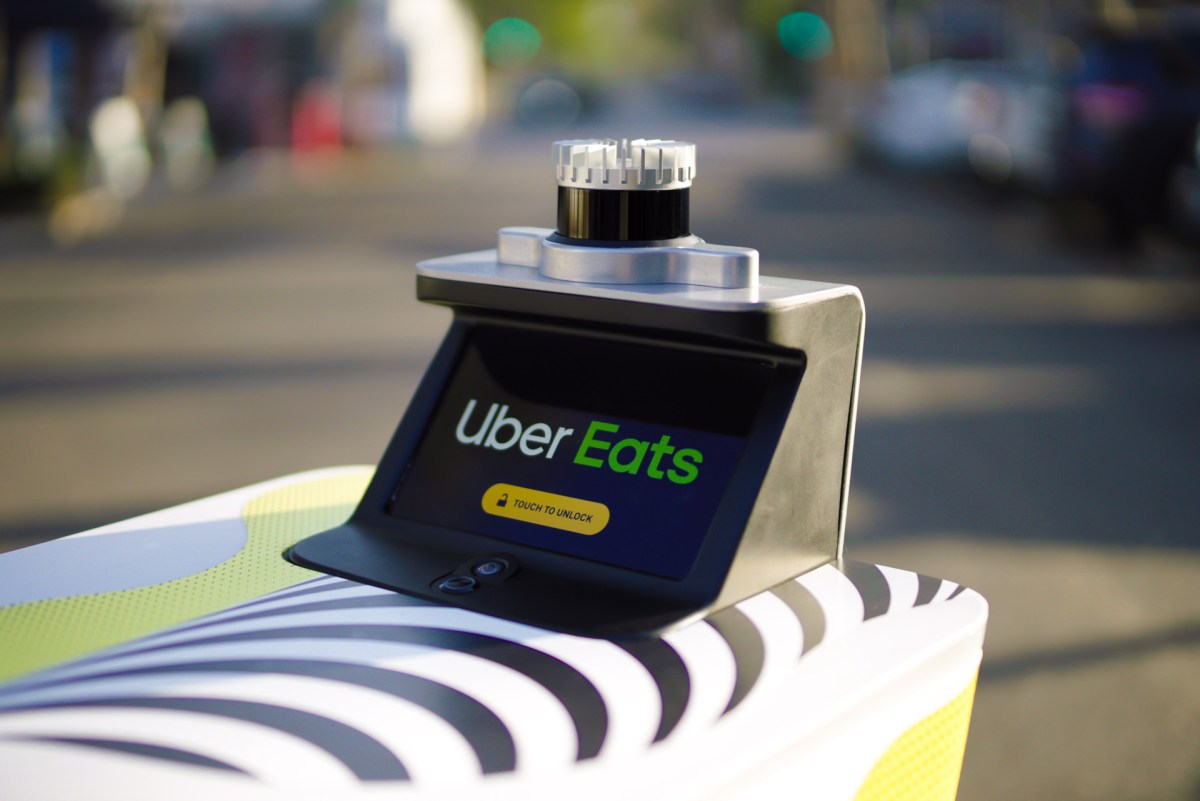
That’s exactly what happened to Serve Robotics, an autonomous delivery robot company that was born inside Uber’s ecosystem. In August 2026, Uber sold its entire stake in Serve, surprising the company’s leadership. And while this story is about a Silicon Valley robotics firm, it carries a warning for every Malaysian SME owner who relies on a single big platform, a single major distributor, or one dominant client.
As a business owner, you may think, “That’s a tech company problem, not mine.” But the core issue is painfully familiar: dependence on someone else’s strategy, and being powerless when they change direction.
TL;DR
- Uber sold its full stake in Serve Robotics, a company it helped spin out, after more than a year of reducing ownership.
- Serve only learned about the final sale after it was publicly disclosed — a reminder that big partners don’t always give you a heads-up.
- For Malaysian SMEs, the lesson is simple: diversify your client base and automate intelligently, so you’re not held hostage by any single relationship.
What This Means
Serve Robotics started as Postmates X, the robotics division of delivery startup Postmates. When Uber acquired Postmates for $2.65 billion in 2020, the robotics arm became Serve Robotics a year later, as an independent company. Uber not only backed Serve financially but also struck a partnership to put up to 2,000 of Serve’s sidewalk delivery bots on Uber’s app in the US. That partnership, expanded in May 2023, became a major channel for Serve’s business.
For a while, it was a win-win. Serve got distribution; Uber got a futuristic delivery option without owning the robots. But then the relationship started to fray. In Serve’s second-quarter earnings call, CEO Ali Kashani said delivery volume through Uber had grown for 17 consecutive quarters — until Q2 2026, when that trend reversed due to lower-than-expected robot utilization. He also said the companies had “differing views” on how to scale their shared fleet, including areas like fleet coordination and merchant integration.
Meanwhile, Serve’s deliveries with another food delivery partner grew nearly 50% in a single quarter. So Serve isn’t dead — it just no longer needs Uber as much. And Uber, for its part, has invested in or partnered with more than 30 autonomous vehicle companies over the past several years. It can afford to walk away. Serve can’t pretend it wasn’t hurt by the surprise exit.
“The final selloff came as a surprise to Serve, which learned about it once it was officially disclosed.” — TechCrunch
How This Applies to Malaysian SMEs
You might not operate sidewalk delivery robots in Kuala Lumpur, but you likely depend on a major platform. Think of the Malaysian food business that gets 70% of its orders from one food delivery app. Or the e-commerce seller whose revenue depends on Shopee or Lazada’s algorithm. Or the manufacturing SME that supplies a single large MNC. On paper, you’re partners. In reality, the platform has all the power — and they can change commission structures, ranking rules, or service terms overnight. You’re just along for the ride.
Serve’s story shows that even a company with a genuine technology edge and a strong brand can be blindsided when a big partner decides to leave. For a Malaysian SME, the risk is even higher because you have fewer resources to absorb the shock. If your biggest channel disappears, you can’t easily move 2,000 robots to another country or pivot to a new market within weeks. So the critical question is not “Will my big client stay with me?” but “What happens if they leave tomorrow?”
There’s also a positive angle: Serve doubled down on another partner and saw deliveries grow nearly 50% in a quarter. That tells you that diversification is not just about reducing risk — it can actually help you grow faster. When you invest in multiple channels, you learn which ones are more efficient, which customer is more profitable, and which market trends are actually worth chasing. In Malaysia, this might mean building your own customer database instead of renting it from a platform, or developing direct relationships with local businesses rather than relying solely on marketplace traffic.
For automation adoption specifically, the Uber-Serve split is a cautionary tale about “strategic alignment.” Serve and Uber couldn’t agree on how to run the fleet coordination or integrate with merchants. For an SME, this is a reminder that when you invest in automation — whether that’s an ERP system, a chatbot, or robotic process automation — you need to make sure it fits your own business model, not just the preference of a dominant customer. If you automate only to satisfy a big client’s demands, you’re building on rented land.
Practical Takeaways
- Audit your revenue concentration. List your top five clients or sales channels. If any one represents more than 30% of your income, that’s a red flag. Start actively growing your second and third pillars.
- Build your own first-party data. Collect emails, phone numbers, or WhatsApp contacts from every transaction so you can reach customers directly if a platform changes its rules.
- Automate for your own efficiency, not for one partner. Use automation tools that improve your operations, pricing, and customer service — not just to meet a single client’s compliance requirements.
- Watch for early warning signs. In Serve’s case, Uber reduced its stake in 2025, a year before the full exit. Pay attention when a major client reduces purchase orders, delays renewals, or stops promoting you.
- Nurture alternative partnerships. Serve’s other delivery partner grew nearly 50% in a quarter. Make time to approach new partners and test smaller collaborations before you need them.
The Numbers at a Glance
| Metric | Number | Source |
|---|---|---|
| Uber’s acquisition price for Postmates | $2.65 billion | TechCrunch |
| Serve robots planned for Uber’s app | Up to 2,000 | TechCrunch |
| Consecutive quarters of delivery growth via Uber | 17 quarters | TechCrunch |
| Growth of Serve’s deliveries with another partner | Nearly 50% in one quarter | TechCrunch |
| Autonomous vehicle companies Uber has invested in/partnered with | 30+ | TechCrunch |
The Bigger Picture
This isn’t just about one robotics startup. It’s a signal that the era of “one big technology partner will take care of you” is over. Large platforms are increasingly willing to drop smaller players the moment the numbers don’t work. Uber has 30 other autonomous vehicle bets — Serve is just one line in a spreadsheet. For Malaysian SMEs, this means your relationship with any platform is best treated as a rental, not a marriage. You rent their audience, their fulfilment network, or their software — but you should own your customer relationships, your data, and your core operations.
Long-term, the businesses that survive will be those that build their own infrastructure. That doesn’t mean you need to build your own delivery robots if you’re a small business. It means you should own the channels you control: a website, a newsletter, a customer loyalty system. It also means you should automate the routine parts of your business — inventory tracking, payment reminders, order follow-ups — so you have more time and attention to invest in real partnerships. When you’re less dependent on any one player, you can negotiate from strength, just like Serve did with its other delivery partner.
The Uber-Serve split is not a failure story. It’s a wake-up call. If you’re a Malaysian SME owner, don’t wait until a big client quietly exits your life before you start building your own runway.
Ready to Streamline Your Operations?
Your business should run itself. AutoRunBiz deploys AI agents to automate your daily operations — WhatsApp orders, invoicing, customer follow-ups, and accounting. Book a free 15-min ops audit to see where automation fits your business →