
Autonomous Transport Is Becoming a Business Question
You may not be planning to operate robotaxis. You may run a clinic, restaurant, logistics company, property business, tuition centre, or service operation with a small team. Yet developments in autonomous transport can still affect how you schedule people, move goods, serve customers, and plan for the next few years.
The important question is not whether driverless cars will appear on Malaysian roads next month. The more useful question is this: which parts of your business depend on predictable movement, and how could automation change those activities?
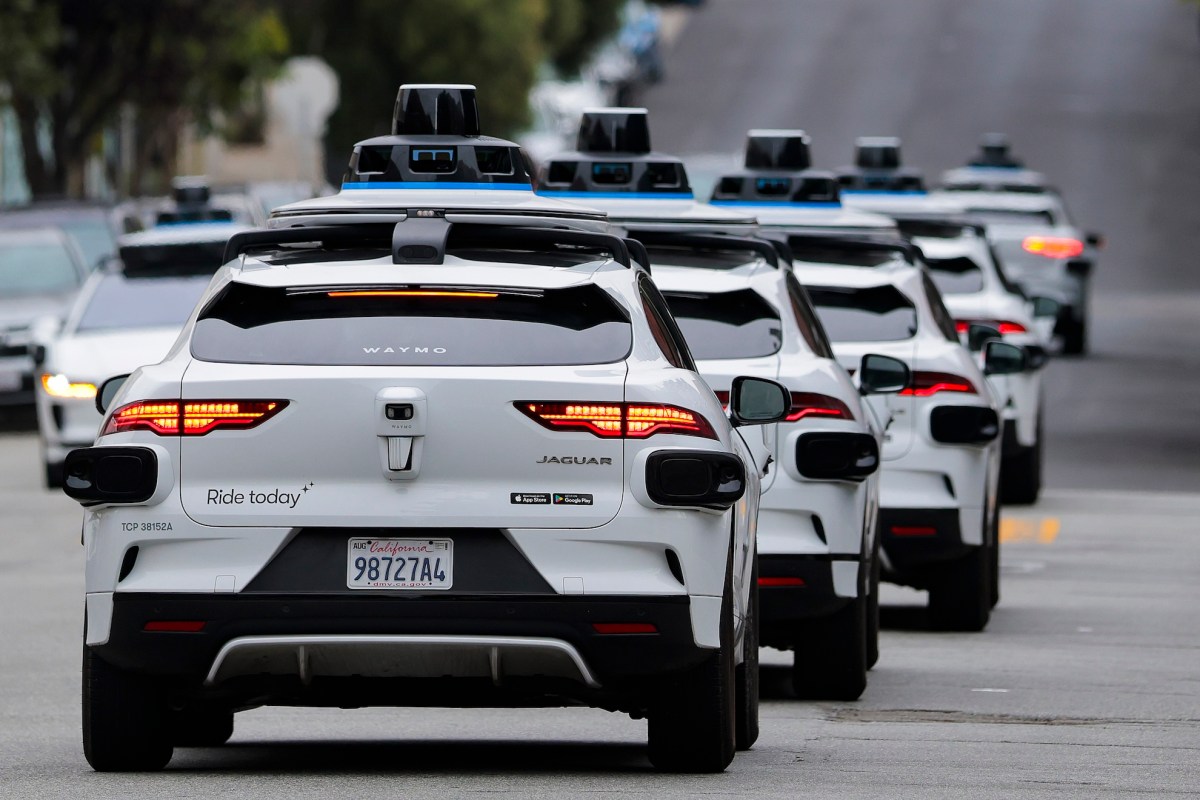
Waymo’s planned Munich service shows how a technology company moves from demonstration to commercial operations. The process involves mapping roads, testing with safety drivers, gaining regulatory approval, and only then expanding access to the public. The same staged approach offers a practical lesson for any SME considering automation: start with controlled use cases, collect evidence, and expand only when the process is reliable.
TL;DR
Waymo plans to launch a robotaxi service in Munich, subject to mapping, testing, and regulatory approval, with public operations expected toward the end of 2027. Source: TechCrunch
For Malaysian SMEs, the immediate lesson is to prepare for automation through small, measurable pilots in scheduling, dispatch, customer updates, and delivery coordination.
What This Means
A robotaxi is a vehicle that can carry passengers without a human driver actively controlling it under defined operating conditions. Waymo describes its route to Munich as a staged process: manually driving vehicles to map the city, testing with human safety drivers, inviting selected riders, seeking regulatory approval, and eventually opening the service to the public. Source: TechCrunch
This matters because autonomous transport is not simply a vehicle purchase. It is a complete operating system involving maps, sensors, software, safety procedures, customer support, insurance, maintenance, data handling, and government oversight.
Germany has a legal framework for Level 4 autonomous driving. Level 4 means the automated driving system handles the driving without expecting a human to take over, but only within certain conditions or environments. Source: TechCrunch This distinction is useful for business owners: automation should always be defined by its boundaries. A system may work well inside a warehouse, on a fixed route, or during a particular operating window, but not everywhere.
The practical lesson is simple: automation becomes useful when you define the conditions, responsibilities, and exceptions before switching it on.
How This Applies to Malaysian SMEs
1. Delivery and dispatch can become more structured. If you operate a bakery, pharmacy, spare-parts shop, florist, or online retail business, your daily delivery work probably involves WhatsApp messages, spreadsheets, phone calls, and last-minute changes. You do not need autonomous vehicles to benefit from the same thinking behind robotaxi development. Begin by mapping your delivery zones, recording typical travel times, identifying repeat addresses, and setting clear rules for urgent orders. A digital dispatch workflow can then assign jobs, send customer updates, and flag exceptions for human attention.
For example, a Klang Valley service business could divide jobs into fixed zones and time windows. A staff member would not need to decide from scratch where every order goes. The system could group nearby jobs, check technician availability, and provide a daily route. You still retain human control, but the repetitive coordination becomes more consistent.
2. Customer transport can be planned around predictable demand. Clinics, elderly-care providers, hotels, event operators, and education businesses sometimes coordinate pickups or shuttle arrangements. A robotaxi service may be far away from normal SME operations, but the underlying opportunity is demand forecasting. Record when customers request transport, where they come from, how long journeys take, and which bookings are frequently changed. This information can help you create scheduled pickup windows, reduce idle vehicles, and communicate delays earlier.
Do not promise fully automated transport before the legal and safety requirements are clear. Instead, use automation for booking confirmation, driver assignment, reminder messages, and incident escalation. In Malaysia, where traffic patterns and weather can change quickly, the exception process matters as much as the normal process. Your system should make it easy for a staff member to take over when conditions are unusual.
3. Field-service teams can work with better visibility. Air-conditioning contractors, pest-control companies, IT support firms, plumbers, and maintenance providers often send small teams to several locations each day. The business problem is rarely just driving. It is knowing which job is next, whether the technician has the correct parts, whether the customer is available, and whether the work has been completed properly.
A simple mobile workflow can capture job status, photos, customer approval, parts used, and follow-up requirements. This creates the kind of operational data that larger automation systems depend on. When new transport or routing tools become available, your business will be better prepared because your job information is already organised.
4. Property and industrial operators should watch controlled environments. Autonomous transport is easier to introduce in private or restricted spaces than on busy public roads. Malaysian warehouses, factories, ports, resorts, universities, and large property developments may use guided carts, automated cleaning equipment, or internal delivery systems before public-road robotaxis become common. If you manage such a site, identify repetitive movement between fixed points. Those are better candidates for a controlled pilot than general-purpose travel across town.
Start by documenting access rules, pedestrian areas, loading points, operating hours, and emergency procedures. This is more useful than simply asking whether a machine is “smart”. The right question is whether it can perform one narrow task safely and consistently.
A Simple Automation Readiness Table
| Business activity | Good first step | Human role to retain |
|---|---|---|
| Local deliveries | Automated dispatch and status updates | Handle address, traffic, and customer exceptions |
| Field service | Digital job assignment and completion records | Approve priorities and resolve complaints |
| Customer bookings | Online scheduling and reminders | Manage special needs and changes |
| Warehouse movement | Map fixed routes and repetitive transfers | Monitor safety and unusual loads |
Practical Takeaways
- Map one process first. Choose deliveries, appointments, or field visits rather than trying to automate the entire business.
- Separate normal work from exceptions. Automation should handle repeatable tasks while people handle unusual situations.
- Record operational data. Capture job times, locations, delays, cancellations, repeat requests, and completion status.
- Set approval rules. Decide which actions happen automatically and which require a staff member’s confirmation.
- Use clear operating boundaries. Define locations, hours, vehicle types, service zones, and conditions where the workflow applies.
- Keep customers informed. Automated reminders and status messages are useful only when the information is accurate.
- Check Malaysian requirements early. Transport, privacy, workplace safety, and industry rules may apply depending on the system and use case.
- Review performance regularly. Compare missed appointments, late arrivals, rework, and customer complaints before and after the pilot.
What You Should Ask Before Automating
Before selecting software or equipment, ask five practical questions. First, is the task repeated often enough to justify a structured workflow? Second, what information does the system need to make a decision? Third, what happens when the information is wrong or incomplete? Fourth, who is responsible for checking the result? Fifth, can you stop or override the process quickly?
These questions mirror the challenges facing autonomous vehicle operators. Mapping is necessary because the system must understand its environment. Testing is necessary because real conditions differ from simulations. Safety drivers are useful because humans must intervene while the process is still being proven. Regulatory approval matters because technology operates within public responsibilities, not in isolation. Source: TechCrunch
The Bigger Picture
Waymo’s Munich plan is one sign that autonomous transport companies are moving beyond technical demonstrations and into city-by-city commercial planning. Waymo already operates commercial robotaxi services in 11 cities, according to the source article, and it has also discussed plans for London. Source: TechCrunch Germany’s framework has also attracted testing activity from companies such as Mobileye and Volkswagen, while other firms hold permits focused mainly on Level 3 driving. Source: TechCrunch
For Malaysian SMEs, this does not mean you should wait for driverless vehicles or make a large technology commitment. It means transport, scheduling, and service operations are likely to become more connected. Businesses that keep accurate records and define repeatable processes will be in a stronger position to adopt new tools when they become suitable.
The long-term advantage will belong to owners who understand their workflows clearly. Whether the future tool is an automated dispatch platform, a warehouse vehicle, a route-planning system, or a customer-service assistant, the technology will perform better when your business already has clean information, clear responsibilities, and sensible exception rules.
Your next step: choose one movement-heavy process this week, write down every step from request to completion, and mark which steps are repetitive. That list is the starting point for practical automation—long before a robotaxi arrives on your road.
Ready to Streamline Your Operations?
Your business should run itself. AutoRunBiz deploys AI agents to automate your daily operations — WhatsApp orders, invoicing, customer follow-ups, and accounting. Book a free 15-min ops audit to see where automation fits your business →