
A charging promotion can reveal a bigger business lesson
If you run a Malaysian SME, you may not be thinking about overseas electric vehicle charging promotions. Your priorities are probably more immediate: keeping deliveries on schedule, making sure sales staff reach customers, and avoiding unnecessary administrative work.
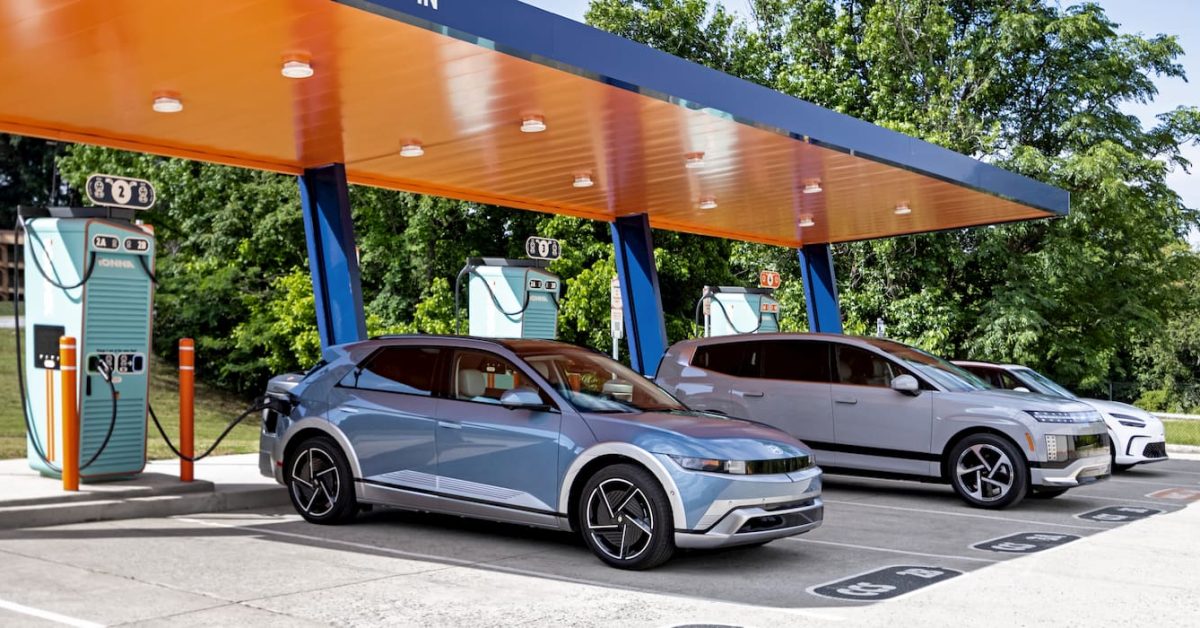
However, a recent Hyundai and IONNA promotion points to an important shift. Hyundai and selected Genesis EV drivers can receive a combined 20% discount on IONNA charging sessions until 30 September 2026, when charging through supported Hyundai app features or Plug & Charge. You can read the original report from Electrek.
For your business, the main lesson is not the specific overseas discount. It is how connected vehicles, charging networks, mobile apps and automated records are coming together. That combination can affect how you manage company vehicles, field teams, delivery schedules and operating information.
TL;DR
Hyundai and Genesis EV drivers in the relevant programme receive an additional 10% Hyundai discount plus an automatic 10% IONNA discount, making a total 20% discount through 30 September 2026, according to Electrek.
For Malaysian SMEs, the practical takeaway is to prepare for vehicle and charging systems that automatically record activity, apply rules and feed information into your business workflows.
What This Means
The promotion works because several digital systems are connected. An eligible vehicle is linked to a Hyundai app, the driver uses in-app charging or Plug & Charge, and the charging transaction is recognised automatically. The discount is then applied without the driver needing to enter a code manually, based on the source report from Electrek.
Plug & Charge is a system designed to identify a compatible vehicle and its charging account when the driver connects to a supported charger. Instead of opening several apps, entering payment details or submitting a receipt, the vehicle and charging network communicate with each other.
That is a small but useful example of automation. The value is not only the discount. It is the reduction in manual steps. A driver can spend less time handling charging administration, while the business has a clearer digital record of when and where charging occurred.
The promotion currently covers selected models, including the Hyundai IONIQ 5 from model year 2022 onwards, the IONIQ 5 N from 2025 onwards, the IONIQ 9 from 2026 onwards, the Hyundai Kona Electric from 2025 onwards, the Genesis GV60 from 2026 onwards and the Genesis Electrified GV70 from 2026 onwards. These model and eligibility details are reported by Electrek.
| Programme detail | What it shows your business |
|---|---|
| 10% Hyundai discount | A manufacturer can attach a benefit to an owner account |
| 10% IONNA bonus | Two connected providers can combine rules automatically |
| 20% total discount | Customers receive the result without separate manual steps |
| Available until 30 September 2026 | Promotions require clear start and end-date controls |
| Supported app or Plug & Charge required | Automation depends on correct system and account setup |
All figures and programme details in the table come from Electrek.
How This Applies to Malaysian SMEs
If you operate a delivery business, the same principle can improve vehicle administration. Your drivers may currently send WhatsApp messages, photographs of receipts and end-of-day updates. A connected vehicle or charging platform could record charging activity digitally, giving you a more consistent view of which vehicle was charged, when it happened and which driver was assigned.
This is particularly relevant for businesses with several service vehicles. Air-conditioning contractors, pest-control companies, cleaning firms, security providers and maintenance teams often send employees to multiple customer locations in a day. When vehicle information is stored separately from job information, it becomes harder to understand delays. Connecting job scheduling, driver assignments and vehicle status can help you identify whether a late arrival was caused by traffic, a missed appointment or an avoidable charging issue.
Retailers and wholesalers can also learn from the account-based model. If you use company vehicles for stock transfers between branches, you can create a simple digital policy: every vehicle must use its assigned driver account, charging activity must be logged through an approved channel, and exceptions must be reviewed weekly. The goal is not to monitor staff unnecessarily. It is to replace scattered messages with a reliable process.
For SMEs considering electric vehicles in Malaysia, do not evaluate the vehicle alone. Review the full operating workflow. Ask whether your drivers can find suitable chargers along regular routes, whether charging records can be exported, whether more than one employee can use the account appropriately, and whether the information can be connected to your existing bookkeeping or fleet process.
You should also consider local operating conditions. Malaysian businesses may have vehicles travelling through urban areas, industrial parks, highways and smaller towns. Charging availability can differ between routes. A vehicle schedule that looks workable on paper may create delays if charging time, queueing and route changes are ignored.
Finally, promotions should not become the foundation of your operating plan. The IONNA bonus in the source report is time-limited until 30 September 2026, and eligibility depends on supported vehicles and charging features, as stated by Electrek. Treat discounts as temporary benefits. Build your process around dependable access, accurate records and sensible route planning.
Practical Takeaways
- Map your vehicle activities: List every trip, driver, job and vehicle record currently managed through paper, chat messages or spreadsheets.
- Set one approved process: Decide how drivers should record charging, parking, mileage, route changes and vehicle issues.
- Check integration before buying: Ask vehicle and charging providers whether records can be exported or connected to your business software.
- Use clear account ownership: Assign each vehicle or driver a defined account so transactions are easier to verify.
- Plan around routes: Identify charging points near customer areas, warehouses, offices and major travel corridors.
- Track exceptions: Create alerts for missed charging records, unusual delays or vehicles that repeatedly need manual intervention.
- Review promotions carefully: Confirm the eligible model, supported feature, activation process and expiry date before changing your workflow.
- Protect access: Limit who can change account details, payment settings, vehicle assignments and driver permissions.
The useful lesson is not “find a discount”. It is “remove repeated manual steps from a process you already run”.
The Bigger Picture
Vehicle automation is likely to become more connected over time. Manufacturers, charging operators, navigation services and business software providers are all moving towards systems that share information. The result may be a vehicle that does more than transport people or goods: it can also provide operational data to help you plan work.
For a Malaysian SME, this does not mean you need a large technology project immediately. Start with one recurring problem. If charging receipts are difficult to reconcile, automate that record. If drivers often miss vehicle checks, use a digital checklist. If customer appointments are affected by poor route planning, connect the schedule with location and vehicle information.
The businesses that benefit most will not necessarily be the ones with the newest vehicles. They will be the ones that design clear processes around their vehicles and make sure information reaches the right person at the right time.
As the Hyundai and IONNA example shows, a customer benefit can depend on multiple systems working together. Your business can apply the same thinking internally: connect sales, scheduling, vehicles, staff updates and administrative records where it makes practical sense.
For more guidance on automating repetitive workflows, visit AutoRunBiz and start by reviewing one process that currently depends too heavily on manual follow-up.
Ready to Streamline Your Operations?
Your business should run itself. AutoRunBiz deploys AI agents to automate your daily operations — WhatsApp orders, invoicing, customer follow-ups, and accounting. Book a free 15-min ops audit to see where automation fits your business →