
Automation Does Not Begin with a Driverless Vehicle
You do not need a fleet of autonomous vehicles to feel the pressure behind this story. If you run a restaurant, retail outlet, clinic, workshop, logistics operation, or service business, you already face the same basic challenge: how do you serve more customers without making every task dependent on another person?
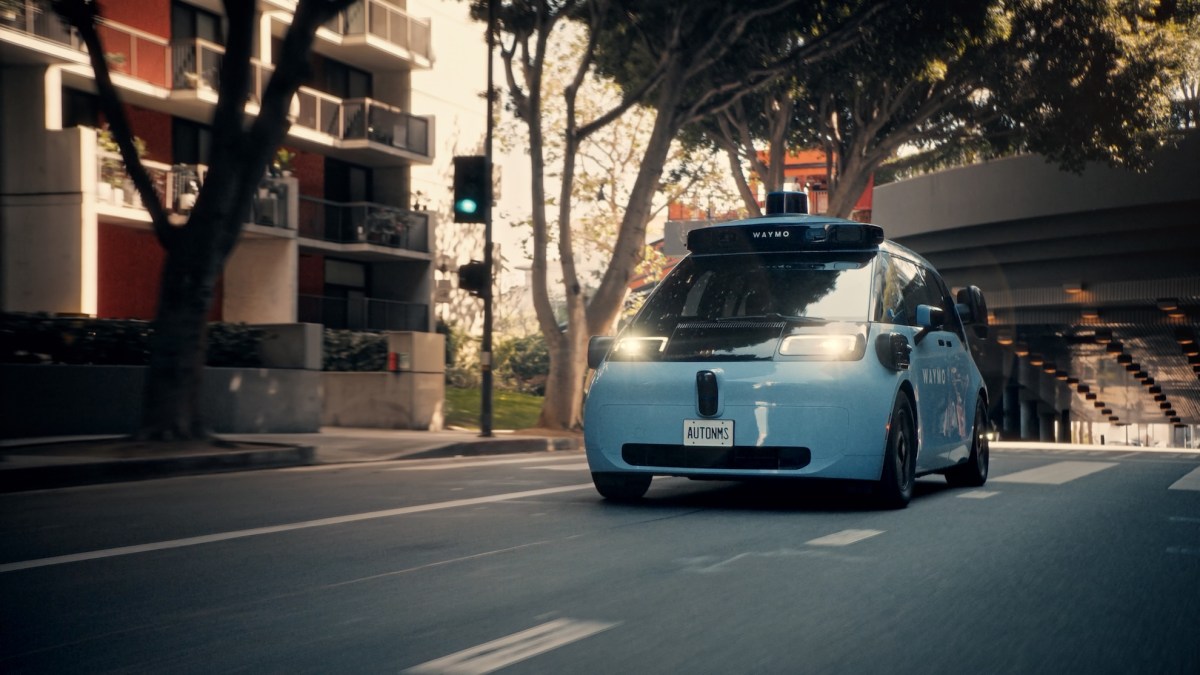
Waymo’s latest robotaxi illustrates how automation becomes useful when it is designed for repeated, everyday work. The company has opened its next-generation Ojai robotaxi to all riders in Los Angeles, Phoenix, and San Francisco, with plans to expand to Denver, Las Vegas, and San Diego later in 2026, according to TechCrunch. The important lesson for you is not the vehicle itself. It is how a business prepares a system to operate reliably at scale.
TL;DR: Waymo is moving from a costly, limited vehicle platform to a more standardised robotaxi designed for frequent use and wider deployment. Malaysian SMEs can apply the same thinking by standardising workflows, connecting systems, and automating repetitive customer and back-office tasks.
The best starting point is usually not a large technology project. It is one process that happens often, follows clear rules, and consumes too much of your team’s attention.
What This Means
Waymo has historically used modified Jaguar I-Pace vehicles for its robotaxi service. Its new Ojai vehicle is based on a Zeekr minivan platform and uses Waymo’s sixth-generation self-driving system, which is designed to work across different vehicle types, according to TechCrunch. The Ojai also includes a redesigned passenger interface and Google’s Gemini AI as an in-car assistant, as reported by TechCrunch.
In plain language, Waymo is separating the reusable intelligence from the physical vehicle. The same self-driving capability can be adapted to a platform built for repeated commercial operation. That matters because a business cannot scale efficiently if every new location, vehicle, or workflow requires a completely different system.
The company currently has about 300 Ojai robotaxis in its commercial fleet, according to a company spokesperson quoted by TechCrunch. Research firm MoffettNathanson estimates that 725 Ojai vehicles entered the United States in July 2026 and that Waymo could bring 5,000 into the country by the end of 2026, as reported by TechCrunch.
This is a useful model for SME automation: build a repeatable operating layer first, then apply it across locations, staff members, products, or customer channels.
The practical lesson is simple: scale becomes easier when your process, data, and decision rules are reusable.
How This Applies to Malaysian SMEs
For restaurants and food businesses, standardisation can reduce daily confusion. You may receive orders through walk-ins, WhatsApp, social media, delivery platforms, and phone calls. If each channel is handled separately, staff can miss requests, duplicate entries, or give inconsistent updates. A connected workflow can capture the order, confirm the details, notify the kitchen, update the customer, and record the transaction in one place. You still need people for food preparation and service, but fewer people need to chase information manually.
For wholesalers, distributors, and retailers, automation can improve stock visibility. Your team may currently check inventory through spreadsheets, chat messages, and physical counts. A better setup can use a central product list, reorder alerts, approval rules, and automatic updates after sales or purchases. This follows the same principle as Waymo’s modular system: create one dependable operating layer that can support different products, branches, or sales channels.
For clinics, salons, workshops, and professional services, appointment administration is a strong starting point. Customers can receive booking confirmations, reminders, rescheduling options, and follow-up messages without your receptionist repeating the same work. Your staff can focus on the actual service instead of checking calendars and answering routine status questions. You can also create escalation rules so unusual cases go to a person rather than being handled automatically.
For logistics and field-service businesses, the opportunity is often in dispatch and proof of completion. Job details can be assigned to the right worker, customers can receive arrival updates, and completed work can trigger a digital report or invoice workflow. If your team currently depends on phone calls to coordinate every job, the business may be difficult to expand because information is trapped in individual employees’ memories.
For construction, renovation, and project-based SMEs, document flow is another practical target. Quotations, purchase requests, site photos, progress updates, and approvals often move through multiple chat groups. A workflow can organise files by project, remind the responsible person about pending approvals, and create a clear record of what happened. This does not remove professional judgement; it reduces the chance that a routine step is forgotten.
A Useful Comparison
| Waymo’s approach | SME equivalent | Practical action |
|---|---|---|
| Reusable self-driving system | Reusable business workflow | Document one standard process before automating it |
| Vehicle designed for frequent commercial use | System designed for daily operations | Choose tasks that happen repeatedly, not once a year |
| Passenger interface | Customer or staff interface | Make the next step obvious and easy to complete |
| Expansion across cities | Expansion across branches or teams | Use the same rules and data structure wherever possible |
| Human oversight for a complex service | Exception handling | Send unusual cases to a person instead of forcing automation |
Practical Takeaways for Your Business
- List your repetitive tasks. Write down activities that happen every day or every week, such as answering common questions, confirming appointments, preparing reports, checking stock, or following up on leads.
- Choose a process with clear rules. A task is easier to automate when you can describe what starts it, what happens next, and when a person must intervene.
- Standardise before connecting systems. If every staff member handles the same request differently, automation will only reproduce the inconsistency.
- Keep one reliable source of information. Customer details, product records, job statuses, and appointment data should not be scattered across unrelated spreadsheets and chat threads.
- Design for exceptions. Create a clear path for refunds, urgent requests, unavailable stock, complaints, and cases requiring approval.
- Start with one department or workflow. A controlled pilot makes it easier to identify missing steps before you apply the process more widely.
- Measure operational results. Track response time, missed follow-ups, incomplete records, delayed approvals, and customer complaints. Every data point should help you decide what to improve next.
- Train the team on the new flow. Automation works only when employees know what the system does, what they still need to do, and when to escalate an issue.
Questions to Ask Before You Automate
- What is the exact problem: delay, duplication, missed information, or inconsistent service?
- How many steps does the current process have?
- Which steps require judgement and which follow fixed rules?
- Where does the information currently live?
- What should happen when the normal process fails?
- Who owns the workflow after it goes live?
These questions help you avoid automating a messy process without understanding it. They also make it easier to explain the project to your team, because everyone can see which part of the work is changing and which part remains human-led.
The Bigger Picture
The long-term significance of Waymo’s Ojai is not simply that more people can request a driverless ride. It shows how automation providers are trying to make complex systems repeatable, maintainable, and suitable for wider commercial use. Waymo is using a vehicle platform designed around high-frequency operation, while its software and sensor system are intended to transfer across vehicle types, according to TechCrunch.
Malaysian SMEs can benefit from the same operating principle without waiting for advanced robotics. A business becomes more resilient when customer information is organised, routine decisions are documented, and work can continue even when one employee is absent. It also becomes easier to open another branch, bring in a new team member, or serve more customers without creating a new manual process from scratch.
That does not mean every task should be automated. Human judgement remains important for sensitive customer situations, quality control, negotiation, safety, and relationship building. The aim is to remove avoidable administrative repetition so your people can spend more time on work that requires context and care.
Start with a process your team understands well. Make the steps visible, connect the information, set clear exceptions, and improve it based on actual use. The businesses that benefit most from automation are rarely those with the most complicated systems. They are usually the ones that choose a useful problem, implement carefully, and keep refining the workflow.
Ready to Streamline Your Operations?
Your business should run itself. AutoRunBiz deploys AI agents to automate your daily operations — WhatsApp orders, invoicing, customer follow-ups, and accounting. Book a free 15-min ops audit to see where automation fits your business →