
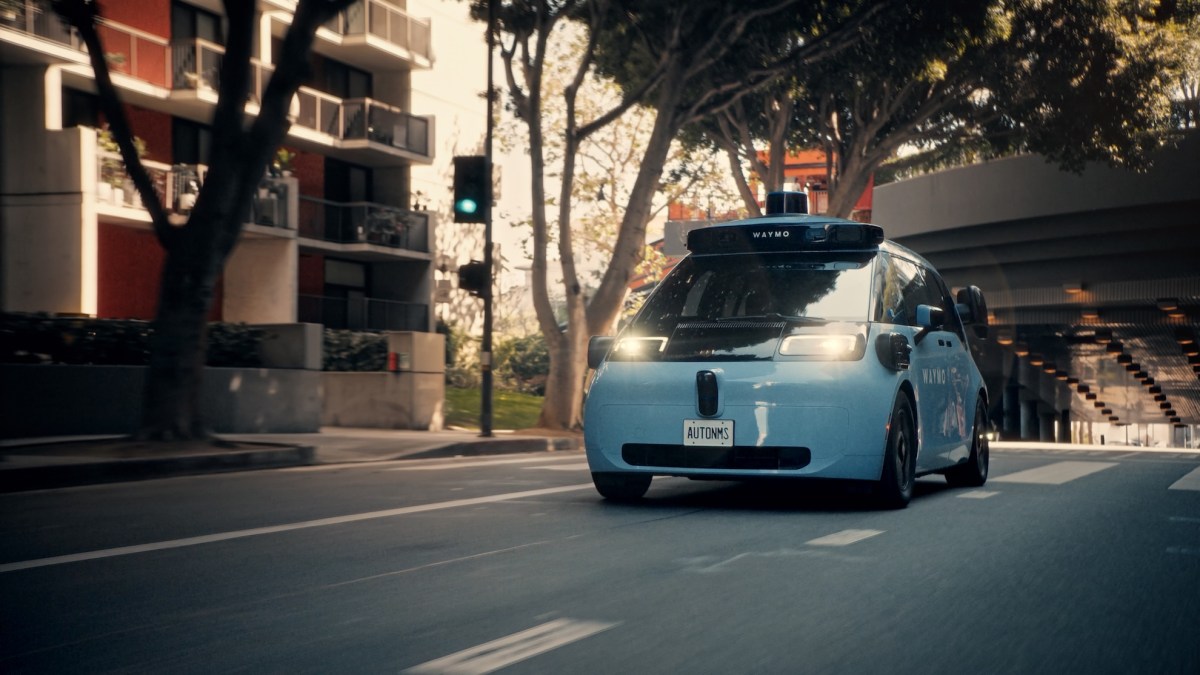
Why Waymo’s New Robotaxi Matters to Your Business
Autonomous vehicles may still feel distant from everyday business in Malaysia, but Waymo’s latest move shows that intelligent transport is moving from experiment to operating model. The company has opened its next-generation robotaxi, called the Ojai, to all riders in Los Angeles, Phoenix and San Francisco, rather than limiting access to selected testers. TechCrunch reported this development.
For you as a Malaysian SME owner, the important lesson is not whether robotaxis will arrive in Kuala Lumpur tomorrow. It is how technology becomes commercially useful when it is designed around repeatable operations, modular systems, customer experience and fleet efficiency. These same principles can improve delivery, field service, transport coordination and customer support in a business with five, 20 or 50 employees.
What Happened
Waymo has made the Ojai available to all riders in three United States cities: Los Angeles, Phoenix and San Francisco. Customers may be matched with the new vehicle when they request a ride. In future, once the fleet is large enough, riders are expected to choose between the Ojai and the older Jaguar I-Pace robotaxi. A Waymo spokesperson said the company had about 300 Ojai robotaxis in its commercial fleet at the time of the report. Source: TechCrunch
The company also plans to introduce the Ojai in Denver, Las Vegas and San Diego later in 2026. Waymo’s commercial service operates in 11 U.S. cities, while the older Jaguar I-Pace has been its main vehicle for several years. Source: TechCrunch The Ojai is intended to support expansion because it is designed to be easier to build, operate and maintain for intensive commercial use.
The vehicle is based on a minivan made by Zeekr, a brand owned by Geely Holding Group. Waymo partnered with Zeekr in 2021 and adapted the vehicle for autonomous driving. The Ojai uses Waymo’s sixth-generation self-driving system, a modular platform designed to work across different vehicle types. It also includes a redesigned interface and Google’s Gemini AI as an in-car assistant. Source: TechCrunch
Why This Matters for Malaysian SMEs
The first lesson is that automation must solve an operating problem, not merely demonstrate impressive technology. Waymo is moving from a modified Jaguar fleet to a vehicle designed specifically for frequent passenger service. The Ojai is built around durability, accessibility, maintainability and integration with autonomous systems. Source: TechCrunch
You can apply the same thinking to your own business. If your team repeatedly copies order details from WhatsApp into spreadsheets, an integrated order workflow may be more valuable than adding another disconnected application. If technicians spend hours planning routes, a central scheduling system may produce greater operational improvement than buying more vehicles. If staff answer the same customer questions every day, a controlled AI assistant connected to approved information can reduce repetitive work while leaving complex cases to people.
Malaysian SMEs also have practical transport use cases. A catering company could coordinate deliveries by location, timing and vehicle capacity. A home-repair business could assign jobs based on technician availability and travel distance. A wholesaler could combine orders from nearby customers into planned delivery runs. A tuition centre or healthcare-related service could send automatic appointment reminders and provide clear arrival instructions.
None of these examples requires a robotaxi. They require accurate data, defined processes and software that connects the steps. Waymo’s story highlights why you should examine the entire operating system of a task instead of automating one small action in isolation.
Key lessons for your business
| Waymo development | SME application |
|---|---|
| Vehicle designed for repeated commercial use | Choose tools that support your daily workload, not just occasional tasks |
| Modular self-driving platform | Use systems that can connect with accounting, CRM, inventory and messaging tools |
| Redesigned rider interface | Make customer booking, updates and support simple |
| In-car AI assistant | Deploy AI for approved, routine questions with human escalation |
| Fleet expansion across cities | Build processes that remain consistent as your branch, order or staff volume grows |
The Bigger Picture
Waymo’s move is significant because it connects artificial intelligence with physical operations. Many business discussions focus on software that writes, summarises or analyses information. Autonomous transport shows another direction: AI can also coordinate movement, interpret surroundings, communicate with users and support a service delivered in the real world.
That shift matters in Malaysia, where many SMEs manage a mixture of online orders, physical locations, delivery schedules, suppliers and customer messages. The more your business depends on these handoffs, the more valuable connected automation becomes. A sales enquiry should be able to become a quotation, then an order, then a fulfilment task, with the relevant information visible to the responsible team member.
There are also important limits. Waymo’s deployment is taking place in selected U.S. cities, under specific regulatory and road conditions. The report says the Ojai vehicles are imported and then outfitted with Waymo’s self-driving system at the company’s Arizona factory. It also notes that tariffs on vehicles built in China increase Waymo’s costs. Source: TechCrunch This illustrates that technology adoption depends on regulation, supply chains, infrastructure, safety procedures and local operating realities—not software alone.
For your SME, responsible adoption means starting with a clearly defined workflow. Identify a process that is frequent, rules-based and easy to measure. Document who does what, what information is required and what happens when an exception occurs. Then introduce automation in a controlled area, review the results and improve the process before expanding it.
“The practical question is not whether your business needs a robotaxi. It is whether your daily operations are structured well enough for automation to make them faster, clearer and more reliable.”
What You Can Do Next
Begin with one operational bottleneck. It could be delivery coordination, appointment reminders, quotation follow-ups, stock updates or customer enquiries. Track how often the task occurs and where errors or delays appear. This gives you a baseline for deciding whether an automated workflow is genuinely helping.
Next, separate routine decisions from exceptions. An AI or automation tool can handle standard cases when the rules are clear, but unusual requests should be routed to a person. Keep approval controls for sensitive actions such as changing an order, confirming a refund or sending an important customer message.
Finally, select technology that can grow with you. Waymo’s modular approach is a useful reminder that today’s system should not trap you when your business adds new services, branches or delivery channels. Ask whether a tool supports data export, user permissions, integrations, activity records and human oversight.
Waymo’s Ojai may operate thousands of kilometres away, but its business lesson is close to home: scalable technology succeeds when hardware, software, people and customer experience are designed as one operating system. For a Malaysian SME, that is a practical starting point for building a more responsive and organised business today.
Ready to Streamline Your Operations?
Technology moves fast. Your operations should keep up. AutoRunBiz builds AI systems that run your daily workflows — from WhatsApp order capture to accounting. Book a free 15-min ops audit →