
Why Camera Earbuds Deserve Your Attention as an SME Owner
You may not be thinking about earbuds when reviewing your business technology. Your priorities are probably more practical: serving customers faster, reducing mistakes, keeping staff productive, and making sure daily operations do not depend on one person remembering everything.
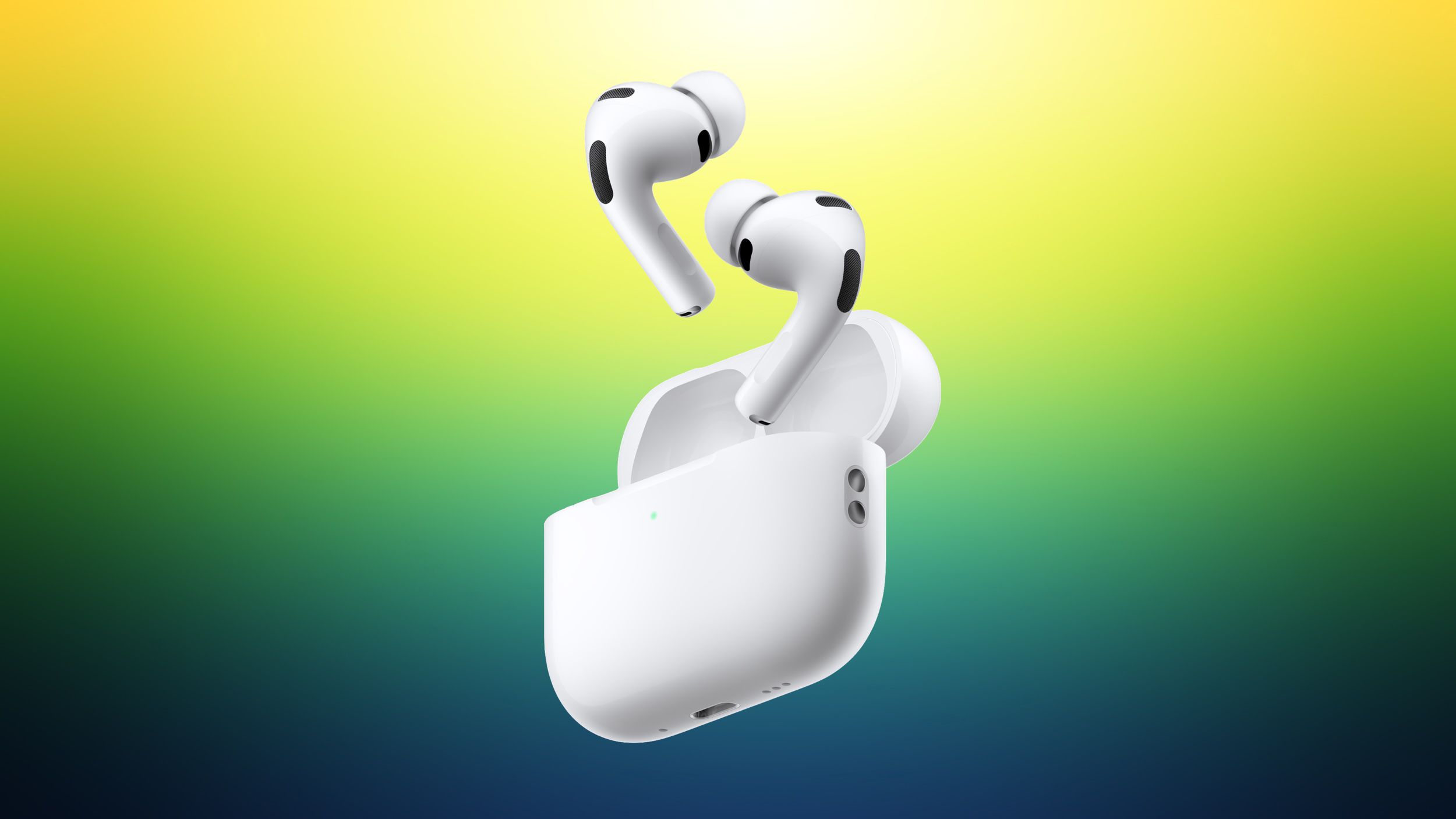
That is why Apple’s reported work on camera-equipped AirPods is worth watching. The device is reportedly being developed to send visual information to Siri rather than record ordinary photos or videos. Reports suggest it may launch under the AirPods Pro name, although the final product and timing remain unconfirmed. Source: MacRumors
For a Malaysian SME, the important question is not whether you should buy a new Apple accessory. It is whether voice assistants, cameras, and business software are moving closer to the way your employees already work: hands busy, attention divided, and decisions made on the spot.
TL;DR
Camera-equipped earbuds could help staff identify items, read labels, follow instructions, and ask for assistance without holding a phone. The technology is still developing, so you should focus now on preparing clear processes, privacy rules, and structured business information.
The strongest early use cases are likely to be field service, retail, hospitality, warehousing, and stock checks—not replacing your staff, but helping them complete routine work with fewer interruptions.
What This Means
Traditional earbuds mainly deliver sound. A camera-equipped earbud could give an AI assistant additional visual context. Instead of asking Siri a general question, a worker might show or look towards an object and ask what it is, whether a label is correct, or what step should come next.
According to the report, the camera would not primarily be designed for taking photos or videos. It would provide visual information to Siri’s AI for a form of Visual Intelligence. Source: MacRumors That distinction matters for business owners because the main benefit may be real-time guidance rather than content creation.
For example, a technician inspecting an air-conditioning unit could ask for help identifying a visible component. A retail worker could check whether a product label matches the item. A café employee could receive spoken instructions while preparing an order. These scenarios depend on more than hardware. They require reliable business data, clear instructions, good connectivity, and rules about what can be viewed or recorded.
The reported product has also gone through naming and development uncertainty. Software references reportedly use “AirPods Pro”, while earlier reports discussed a possible “AirPods Ultra” name. Source: MacRumors Reports also mention two internal codenames, B798 and B790, with different expectations around development and launch timing. Source: MacRumors In practical terms, you should treat this as an emerging capability, not a confirmed procurement plan.
How This Applies to Malaysian SMEs
Retail and stock operations: If you operate a minimart, fashion shop, electronics outlet, or specialty store, employees often move between customers, shelves, and the storeroom. A visual assistant could eventually help them identify products, compare packaging, read batch information, or locate an item using your internal product records. Instead of repeatedly walking to a computer or calling a supervisor, a worker could receive a spoken answer while continuing the task.
To make that useful, your product catalogue must be organised. Names, item codes, variations, supplier details, and shelf locations should be recorded consistently. If your records contain five different names for the same product, an AI assistant will not solve the underlying problem. A simple central inventory system is more important than the earbuds themselves.
Field service and maintenance: Malaysian SMEs in air-conditioning, electrical work, plumbing, networking, pest control, and equipment servicing often send technicians to customer locations. A hands-free visual assistant could help a junior technician follow a checklist, recognise common components, or confirm which inspection step comes next. It could also allow the technician to ask for guidance while holding tools or inspecting equipment.
However, you should not allow an experimental assistant to make safety-critical decisions without human review. Create approved procedures, escalation rules, and service checklists first. The technology should support your technician—not encourage them to guess when the situation is unfamiliar.
Hospitality and food businesses: In a restaurant, bakery, catering operation, or hotel, employees work in fast-moving environments where phones may be inconvenient or unsuitable. A visual assistant could eventually help check packaging, read preparation instructions, identify allergens from approved records, or guide new employees through routine tasks.
Food safety requires particular care. Your staff should rely on approved recipes, temperature procedures, and allergen controls rather than an AI response alone. The useful role is likely to be retrieving your existing instructions quickly and consistently. You remain responsible for deciding which information is authoritative.
Training and onboarding: SMEs often have limited management capacity. You may be the person training every new employee, answering the same questions repeatedly. Hands-free assistance could support onboarding by giving staff access to standard operating procedures while they work. This is especially useful when instructions are visual, such as arranging displays, checking machine parts, or packing orders.
Before adopting this approach, convert your best knowledge into short, clear steps. A long document hidden in a shared drive is difficult for both employees and software to use. Break procedures into numbered actions, warning signs, approval points, and escalation contacts.
A Practical View of the Reported Technology
| Reported detail | What it could mean for your business | What you can prepare now |
|---|---|---|
| Camera-equipped AirPods are reportedly being developed | Hands-free visual assistance may become available | Identify tasks where staff need guidance while using both hands |
| The camera is reportedly intended to support Siri and Visual Intelligence | The main use may be interpretation and assistance, not video capture | Organise product, service, and procedure information |
| Software references reportedly use “AirPods Pro” | The final branding and product positioning remain uncertain | Do not commit to a purchase before specifications and business support are clear |
| Reports mention B790 and B798 internal versions | Development details and launch timing may change | Plan around business outcomes rather than a specific rumoured device |
Reported product details and development references are from MacRumors. Source
Practical Takeaways for Your Business
- List hands-busy tasks: Note where employees currently stop work to check a phone, call a supervisor, or search for instructions.
- Improve your operating procedures: Use short steps, clear language, photos where appropriate, and named approval points.
- Clean up business data: Standardise product names, stock codes, customer records, service types, and equipment references.
- Set privacy boundaries: Decide where cameras are prohibited, especially near customer information, payment areas, staff discussions, and private workspaces.
- Require consent and notice: Employees and customers should understand when visual information may be processed.
- Keep a human check: AI assistance should not independently approve safety, compliance, medical, financial, or customer-sensitive decisions.
- Test one workflow first: Choose a repetitive process with a clear success measure, such as fewer supervisor interruptions or faster checklist completion.
- Consider your existing systems: A new device is useful only if it can work with the records and tools your team already uses.
The useful question is not “Can this device see?” It is “Can your business provide the right information when a worker needs it?”
Questions to Ask Before You Adopt Camera Wearables
First, ask whether the task genuinely benefits from hands-free assistance. If an employee only needs to read one instruction once a day, a camera-enabled earbud may add complexity rather than remove it.
Next, ask where the information goes, how long it is retained, and who can access it. Camera-enabled devices may create privacy concerns in customer-facing locations. Your policy should cover recording, visual processing, device sharing, lost devices, and acceptable use.
Finally, ask how you will measure improvement. Possible measures include fewer repeated questions, shorter onboarding time, faster inspection completion, fewer picking errors, or better compliance with checklists. Choose a small number of practical indicators rather than relying on excitement about the technology.
The Bigger Picture
Camera earbuds point towards a broader change in how people interact with business software. Instead of opening an app, typing a search, and reading a screen, employees may increasingly speak to an assistant while looking at the work in front of them.
That does not mean every SME needs wearable technology. It means the value of your business systems will increasingly depend on whether information is accurate, accessible, and connected to real workflows. A well-organised procedure may become more useful when an employee can request it naturally, at the exact moment it is needed.
For Malaysian SME owners, the sensible approach is to prepare without rushing. Document how work is done, protect customer and employee privacy, and improve the quality of your business records. When practical hands-free tools become available, you will be in a much stronger position to test them safely.
Whether Apple ultimately launches camera AirPods as part of the Pro range or under another name remains uncertain. Source: MacRumors The larger lesson is already clear: useful automation starts with clear processes and dependable information—not with the device alone.
Ready to Streamline Your Operations?
Your business should run itself. AutoRunBiz deploys AI agents to automate your daily operations — WhatsApp orders, invoicing, customer follow-ups, and accounting. Book a free 15-min ops audit to see where automation fits your business →