
Why Camera AirPods Matter to Your Business
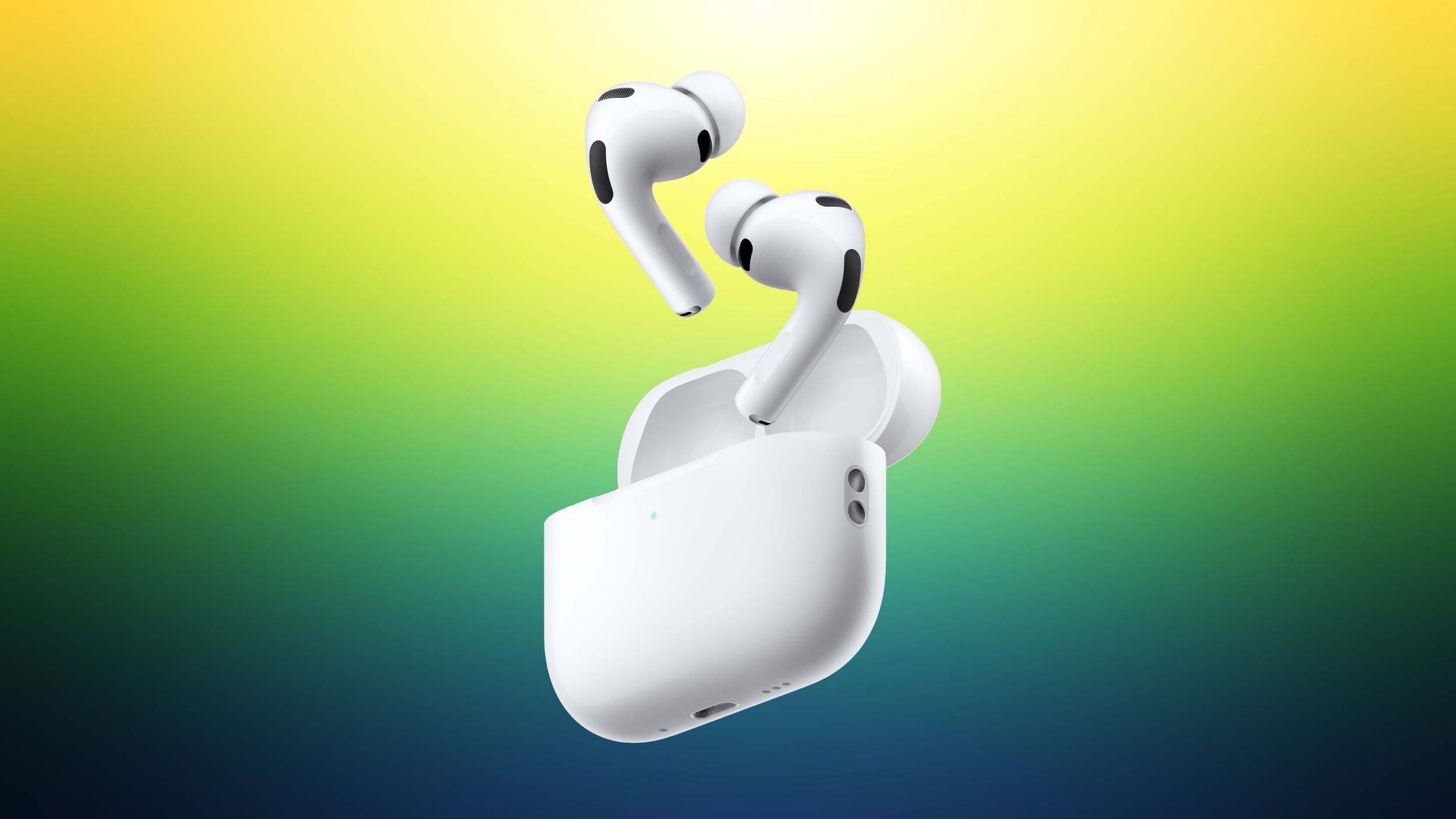
Apple may be preparing camera-equipped AirPods for its AirPods Pro lineup, according to a report by MacRumors. The proposed device would not primarily record photos or videos. Instead, its camera would provide visual information to Siri’s artificial intelligence, supporting a more practical form of Visual Intelligence.
For a Malaysian SME, this is more than an interesting product rumour. It points towards a future where employees can ask an AI assistant about what they see while working, without reaching for a phone, typing a question or stopping a task. That could affect retail operations, field service, hospitality, logistics, training and customer support.
You may not need to buy a new device when it launches. However, you should pay attention to the direction of the technology. Wearable AI is moving from simple voice commands towards hands-free assistance that understands a worker’s surroundings. The businesses that prepare their processes, data and privacy rules early will be better positioned to use such tools safely.
What Happened
Apple is reportedly developing AirPods with a camera, and references found in macOS Tahoe 26.7 call the product “AirPods Pro”, rather than “AirPods Ultra”, according to MacRumors. The naming may still change, but the software reference suggests Apple could be preparing the product for a familiar Pro-branded lineup.
The report also describes two internal product codenames, B798 and B790. Bloomberg’s Mark Gurman previously reported that the B798 version had been delayed because of Siri AI issues, with a possible launch alongside the 20th anniversary iPhone in September 2027. A later report suggested that the B790 version was closer to launch, according to MacRumors.
The camera is expected to support visual understanding rather than conventional photography. In practical terms, the AirPods could look at an object, sign, product label or surrounding scene and pass that information to Siri. Apple has not officially announced the product, its final specifications or its launch date, so you should treat these details as reported developments rather than confirmed features.
For business owners, the important development is not the camera itself. It is the possibility of giving workers hands-free access to useful information while they are looking at the work in front of them.
Why This Matters for Malaysian SMEs
Many Malaysian SMEs depend on employees who work away from desks. A technician may inspect an air-conditioning unit in a shop lot. A warehouse worker may check stock labels. A retail employee may answer questions about product differences. A hotel team member may respond to a room issue. In each case, a hands-free AI assistant could reduce the need to stop, hold a phone and search for instructions.
Consider a small electrical services company. A technician could potentially ask an AI assistant to identify a component, read a label or explain a standard troubleshooting step while keeping both hands available. The business would still need approved procedures and human judgement, but the technology could make reference information easier to access at the point of work.
A Malaysian retailer could explore similar use cases. Staff might use visual assistance to locate product information, identify packaging variations or check whether an item matches a customer’s request. In a restaurant or café, a manager could use a wearable assistant to support stock checks, equipment inspections or onboarding. These examples are possibilities, not confirmed capabilities of the reported AirPods, but they show why this trend deserves attention.
Language and operating conditions also matter. Malaysian workplaces may involve English, Bahasa Malaysia, Mandarin, Tamil and industry-specific terms. Before adopting any AI wearable, you should test whether it understands the languages your team uses and whether its answers are reliable in noisy environments. A device that performs well in a quiet demonstration may behave differently in a busy workshop, kitchen, warehouse or roadside service location.
Potential SME use cases
| Business area | Possible application | What you should prepare |
|---|---|---|
| Field service | Hands-free access to equipment instructions | Approved checklists and service manuals |
| Retail | Product identification and staff assistance | Accurate product data and clear escalation rules |
| Warehouse | Reading labels and locating inventory | Consistent labelling and updated stock records |
| Hospitality | Support for inspections and staff training | Privacy guidance and role-based access |
Privacy Should Be Your First Question
A wearable camera used around customers, staff, homes or business premises raises immediate privacy concerns. Even if the camera is designed to provide visual information to Siri rather than save recordings, you should not assume that every situation is acceptable. The device may process images, voice commands or other information, depending on its final design and software settings.
Malaysia’s Personal Data Protection Department provides information about obligations under the Personal Data Protection Act 2010 through its official website. You should review your organisation’s privacy practices before testing camera-enabled wearables, particularly if they may capture customers, employees, identity documents, private premises or confidential business information.
Create simple rules before deployment. For example, employees should know when the device must be removed, when consent is needed, which areas are off limits and whether screenshots or AI-generated summaries may be stored. You should also decide who is responsible when an AI assistant gives an incorrect answer.
The Bigger Picture
Camera AirPods are part of a broader shift towards ambient and wearable computing. Instead of opening an application and entering a request, you may eventually speak naturally while an AI system interprets what is around you. This could make business software more accessible to workers who are not seated at computers all day.
However, the best results will not come from purchasing hardware alone. AI assistants need reliable business information. If your product catalogue is outdated, your service manuals are unclear or your stock records are inconsistent, a wearable assistant may simply make the wrong information easier to request.
Start with the basics. Organise your standard operating procedures, maintain a clean product database and identify repetitive questions your staff ask every day. Convert important instructions into short, searchable documents. These steps will benefit your business even if camera-equipped AirPods never reach the market.
You should also run a small technology-readiness exercise. Pick one workflow, such as equipment inspection or stock checking, and document how employees currently complete it. Note where they pause to search for information, make repeated calls or depend on one experienced worker. Those friction points are where hands-free AI may eventually provide the most value.
The reported AirPods product remains unconfirmed, and Apple may change its design, name or launch timing. Still, the direction is clear: personal devices are becoming more aware of context, and AI is moving closer to daily operations. For your SME, the practical response is not to chase every rumour. It is to improve your data, define responsible-use rules and identify workflows where faster access to information could help your team.
Ready to Streamline Your Operations?
Technology moves fast. Your operations should keep up. AutoRunBiz builds AI systems that run your daily workflows — from WhatsApp order capture to accounting. Book a free 15-min ops audit →