
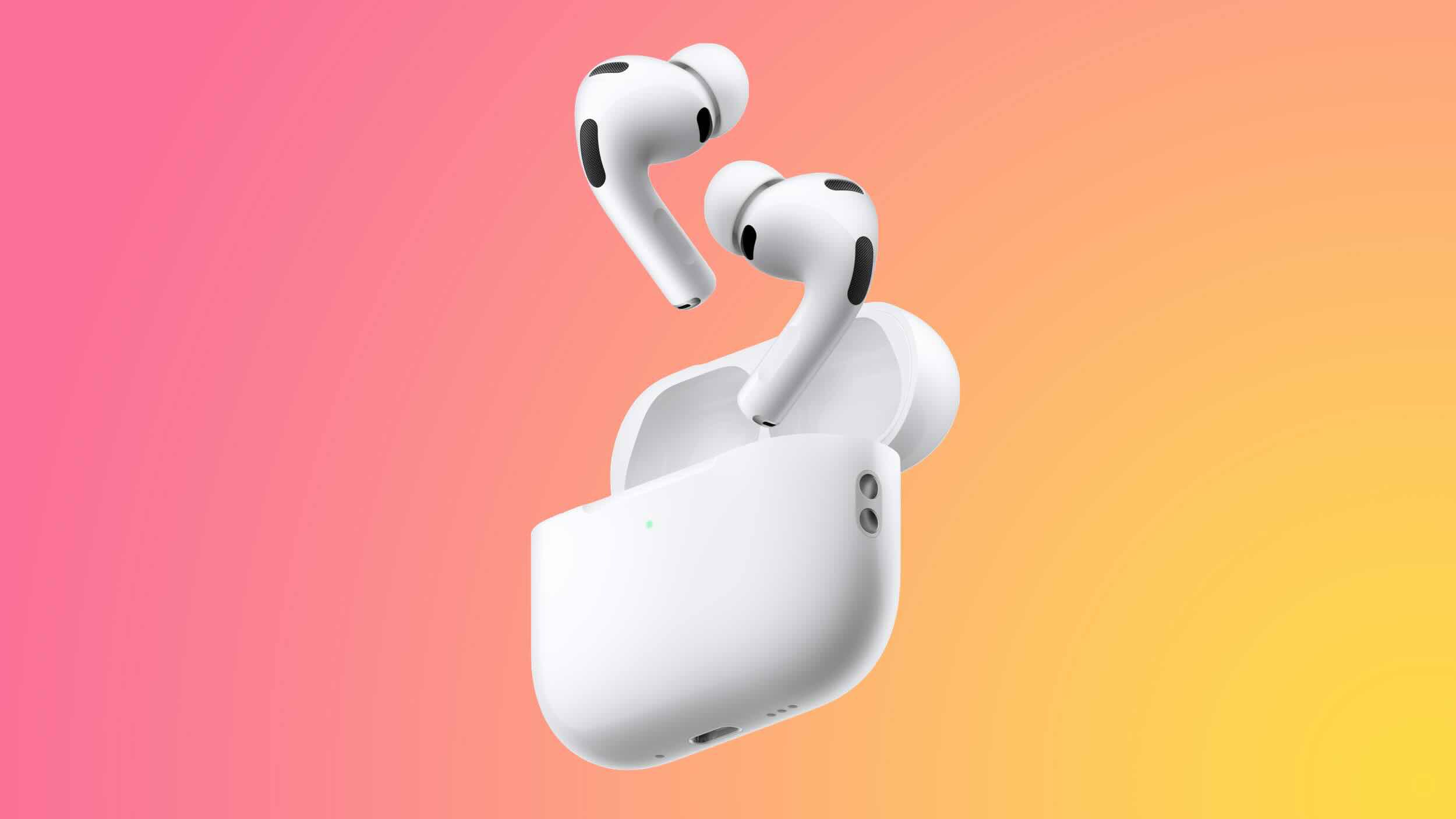
What Camera AirPods Mean for Malaysian SME Operations
You do not need another gadget simply because a famous technology company is testing it. As a Malaysian SME owner, your real concern is more practical: can a new device help your team work faster, reduce mistakes, and serve customers better without creating another system to manage?
Apple’s reported camera-equipped AirPods are a useful example of where business technology may be heading. The product is not expected until 2027, and its final features may change. However, the concept raises an important question for you now: what happens when everyday devices can see, interpret, and respond to information through an AI assistant?
TL;DR: Camera-equipped AirPods are reportedly delayed until 2027 because of supply-chain and software challenges. The proposed device would use low-resolution cameras to provide visual information to Siri, rather than take normal photos or videos.
For your business, the lesson is not to wait for a particular Apple product. It is to prepare your processes, data, and staff for hands-free AI assistance that can support inspections, product information, customer service, and field work.
What This Means
According to the source report, Apple is developing AirPods with cameras that can send visual information to Siri for Visual Intelligence features. The cameras are reportedly intended to help the device understand what the wearer is looking at, rather than function as a conventional camera for capturing photos and videos.
One demonstration showed a person holding a book in front of the AirPods so Siri could read the title and save it for later. The reported AirPods are not expected to launch until 2027, and Apple is still working through software and supply-chain issues. The product is also described as having two internal versions, known as B790 and B798, with different development paths.
That distinction matters. A leaked demonstration is not the same as a finished commercial product. Features can be removed, delayed, redesigned, or restricted by privacy and regulatory requirements. You should treat this as an early signal about device-based AI, not as a product you can plan your operations around today.
The useful business lesson is not “buy camera AirPods”. It is “identify which visual tasks your staff repeat, then decide whether AI can assist without weakening customer trust.”
How This Applies to Malaysian SMEs
Retail and wholesale businesses: If you operate a shop, showroom, stockroom, or distribution business, staff regularly identify items, check labels, compare product specifications, and answer customer questions. A future hands-free assistant could help a staff member recognise a product code, retrieve an internal description, or confirm whether an item matches an order. This could be useful when both hands are occupied or when staff are moving around a warehouse.
However, you should first organise your product information. If your catalogue contains inconsistent names, missing specifications, or outdated stock records, an AI assistant will not fix the underlying problem. Start by creating a single, searchable product list with SKU, description, supplier, location, warranty details, and frequently asked questions.
Restaurants, cafés, and food operators: Visual AI could eventually support kitchen checks, equipment inspections, or front-of-house tasks. For example, a staff member might receive hands-free guidance while checking whether a display area is prepared or whether a delivery item matches the purchase order. You must still keep human approval for food safety, allergen information, and quality decisions. Visual recognition can assist a checklist, but it should not become the only control.
Construction, maintenance, and service businesses: Your technicians may work at customer sites where they need to inspect equipment, identify parts, read labels, or follow a repair procedure. A hands-free assistant could provide step-by-step instructions or help a technician record observations without repeatedly picking up a phone. This is especially relevant for air-conditioning servicing, electrical work, machinery maintenance, and building facilities.
Before adopting such tools, create clear rules about what may be viewed or recorded. Customer premises can contain personal documents, access codes, employee information, or confidential business details. A device that sees the environment must be controlled as carefully as any company system.
Professional services and field sales: Sales representatives, property agents, insurance teams, and consultants often need to recall information during conversations. Visual assistance may help identify documents or provide relevant reference material. It could also support meeting preparation by helping staff check a physical sample or product display. The important point is to connect the assistant to approved business information, not to let it invent answers.
For Malaysian SMEs, language support will also matter. Your staff and customers may use English, Bahasa Malaysia, Mandarin, Tamil, or mixed conversations. Do not assume a new device will understand every accent, industry term, or Malaysian business expression accurately. Test it with your real operating language before using it for customer-facing work.
What the Reported Product Tells You About Technology Planning
The report shows why you should separate technology signals from purchasing decisions. A demo video was found inside a macOS Tahoe 26.7 release candidate, but that did not mean a product launch was ready. The reported 2026 plan was later removed, with a possible launch in 2027 alongside the 20th-anniversary iPhone. These details come from the source report and remain subject to change.
| Reported detail | Practical meaning for your business |
|---|---|
| Possible launch in 2027 | Do not build a critical workflow around an unreleased device. |
| Low-resolution cameras | Expect visual assistance, not necessarily high-quality photography. |
| Information sent to Siri for Visual Intelligence | AI may help interpret what staff see, subject to software and privacy controls. |
| Reported supply-chain and software challenges | New hardware can face delays, feature changes, and limited availability. |
| Two reported development versions | Early leaks may describe competing prototypes rather than one confirmed product. |
For context, the source report says the device is not intended to capture ordinary photos and videos. That could reduce some privacy concerns, but it does not remove them. A sensor that interprets a customer, document, product label, or workplace environment still creates questions about consent, data handling, and access.
Practical Takeaways
- Map visual tasks: List the work your staff perform by looking, checking, reading, or comparing physical items.
- Standardise your data: Keep product, service, customer, and procedure information in consistent digital formats.
- Start with low-risk tests: Trial AI assistance on internal checklists before using it with customers.
- Keep human approval: Require staff to confirm safety, compliance, pricing, technical, and customer-impacting decisions.
- Set privacy rules: Define where visual devices may be used and prohibit use around confidential information unless approved.
- Prepare staff: Teach employees when AI assistance is acceptable, how to verify answers, and how to report mistakes.
- Use existing tools first: Improve your workflow with current phones, tablets, forms, and automation before waiting for new hardware.
- Measure results: Track errors, response time, completed checklists, and customer complaints during any trial.
The Bigger Picture
The long-term trend is a move from AI that waits for typed instructions to AI that can understand more of the user’s surroundings. Earbuds, phones, glasses, and other wearable devices may become entry points for this type of assistance. The value will not come from the hardware alone. It will come from how well the device connects to your procedures and business information.
This also means your business will need stronger digital discipline. Clear product records, documented workflows, access controls, and staff training will become more important as AI tools gain access to real-world context. An SME with organised information may benefit sooner than a larger business with disconnected systems.
Do not make a purchase decision based on a leaked video or a predicted launch date. Instead, choose one repetitive visual task in your business, document how it is handled today, and explore whether existing automation or AI tools can support it safely. When new wearable devices eventually arrive, you will be in a better position to judge whether they solve a real problem or simply add another distraction.
For now, the sensible approach is simple: improve the process first, protect customer and company information, and remain ready to test useful technology when it becomes reliable and suitable for Malaysian working conditions.
Source: MacRumors report on Apple’s reported camera-equipped AirPods.
Ready to Streamline Your Operations?
Your business should run itself. AutoRunBiz deploys AI agents to automate your daily operations — WhatsApp orders, invoicing, customer follow-ups, and accounting. Book a free 15-min ops audit to see where automation fits your business →