
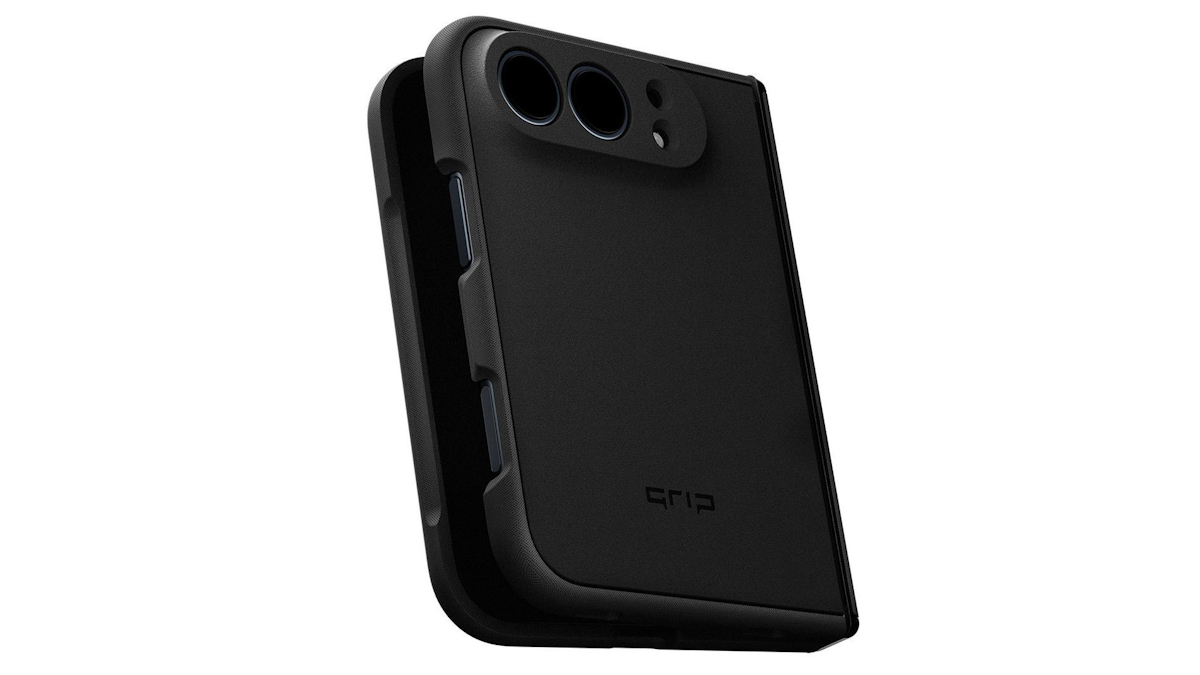
Why a Foldable Phone Could Matter to Your Business
If you run a Malaysian SME, you probably do not spend your day tracking smartphone rumours. You are busy replying to customers, approving orders, checking stock, following up with suppliers and keeping your team moving. Yet a major change in business devices can affect how your company works, especially when your staff depend on their phones outside the office.
Apple is reportedly developing a foldable iPhone that may be called the iPhone Duo, rather than the expected “iPhone Ultra”. The report from SoyaCincau, citing Bloomberg’s Mark Gurman, suggests that Apple’s foldable device could offer a larger inner display while remaining compact when closed. You can read the original report here.
The important question for you is not whether you should immediately buy one. It is whether foldable devices could change how your sales, service and management teams handle daily work.
TL;DR: Apple’s reported iPhone Duo points towards a phone that works more like a compact tablet when opened. For Malaysian SMEs, the practical impact could be better access to dashboards, documents, video calls and customer systems without carrying a separate tablet.
Note: The iPhone Duo remains a reported product, not a confirmed device. Treat specifications, naming and launch details as unconfirmed until Apple makes an official announcement.
What This Means
A foldable smartphone has two main forms. When closed, it behaves like a regular phone. When opened, it provides a larger screen for tasks that are uncomfortable on a narrow display. This is different from a standard large-screen phone because the device can physically expand when you need more working space.
For an SME owner, that extra space could be useful when reading a quotation, comparing inventory records, reviewing a customer conversation and checking a business dashboard at the same time. You may also be able to view a spreadsheet or presentation with less scrolling.
The report describes Apple’s possible device as a book-style foldable rather than a small flip phone. That distinction matters. A flip-style model mainly becomes smaller in your pocket, while a book-style foldable aims to provide a larger working display. The reported name, iPhone Duo, also suggests Apple may position it as a distinct product category rather than simply a larger iPhone.
However, a bigger screen alone will not improve your operations. The real benefit depends on whether your business applications work well on different screen sizes, whether your staff can secure the device properly and whether the phone fits your existing workflow.
A foldable phone is useful only when it removes a daily inconvenience. The hardware should support a clearer process, not become another device your team has to manage.
How This Applies to Malaysian SMEs
1. Customer-facing sales teams could carry fewer devices. If you operate a renovation company, property agency, wedding service, events business or wholesale operation, your team may need to show catalogues, project photos, floor plans and quotations during meetings. A foldable phone could provide a larger viewing area without requiring a phone and tablet. This may make it easier for a salesperson to explain product options while standing in a showroom, visiting a customer or working at a site.
For example, a furniture seller could open a product catalogue beside a customer’s measurements. A renovation consultant could display a proposed layout while checking a project note. A supplier representative could review an order list with a retailer. These tasks are possible on a normal phone, but the larger screen may reduce repeated zooming and scrolling.
2. Managers could review operations while away from the office. Many Malaysian SME owners manage several activities at once. You might be travelling between outlets, checking a warehouse, visiting a construction site or attending a supplier meeting. A larger display could make it easier to review sales reports, staff schedules, delivery status and customer requests from one device.
This does not mean you should replace your desktop systems immediately. It means a foldable could become a useful review and approval tool. You could check a daily sales dashboard, read a document and join a video call without constantly switching between applications or carrying a separate tablet.
3. Service businesses could improve field documentation. Air-conditioning contractors, cleaning companies, security providers, maintenance teams and technical service firms often work away from desks. Their staff may need to read job instructions, capture photographs, obtain customer approval and update a work order before leaving a site.
A larger screen may help a technician read the full job description, confirm equipment details and complete a digital checklist. If the system supports electronic signatures, the customer may be able to review the completed work on the expanded display. The business benefit comes from faster and clearer record-keeping, not from the phone’s novelty.
4. Hospitality and retail operators could use mobile tools more comfortably. Restaurant supervisors, café managers and retail owners often move around instead of sitting at a computer. A foldable device might make it easier to check reservations, monitor stock, review staff instructions or respond to customer messages while moving between the counter, kitchen and storage area.
Before making a decision, you should test your actual applications. Some systems may display properly on a larger screen, while others may simply stretch the phone layout. Ask your software provider whether its application supports responsive displays, split-screen use and secure access on mobile devices.
Potential Business Uses at a Glance
| Business task | Possible benefit | What to check first |
|---|---|---|
| Viewing quotations | Less scrolling during customer discussions | Whether your quotation system works on expanded screens |
| Field service updates | Easier reading of job details and checklists | Camera, signature and offline functions |
| Management dashboards | More information visible during quick reviews | Mobile dashboard security and layout |
| Video meetings | More comfortable document and participant viewing | Camera position, audio quality and multitasking |
| Product presentations | A larger display without carrying a tablet | Brightness, durability and customer-facing usability |
The table describes possible use cases, not confirmed iPhone Duo specifications. The reported article does not establish final hardware details, launch timing or software capabilities, so you should wait for official information before setting a company policy.
Practical Takeaways for Your Business
- List your mobile frustrations. Write down the tasks that involve excessive scrolling, repeated app switching or carrying a second device.
- Separate useful needs from excitement. A larger screen may help with documents and dashboards, but it will not fix unclear procedures or badly organised data.
- Check application compatibility. Ask your accounting, sales, inventory, customer management and scheduling software providers about foldable-screen support.
- Protect business information. Require screen locks, strong account authentication, remote device management and prompt software updates.
- Set a pilot process. If foldables become available, test one device with a salesperson, manager or field technician before considering wider adoption.
- Measure practical results. Track whether staff complete forms faster, make fewer data-entry mistakes or reduce the need to carry another device.
- Prepare for durability concerns. A folding hinge and flexible display introduce different handling requirements. Use cases, storage rules and repair procedures should be clear.
- Keep your workflow platform-neutral. Design processes that work across Apple, Android, tablets and computers so your business is not dependent on one device.
Questions to Ask Before Adopting a Foldable Device
Start with your workflow rather than the product. Which employee spends the most time working from a phone? Which forms or dashboards are hardest to use on a small display? Does your team work in bright outdoor areas, dusty sites, kitchens or delivery vehicles? These conditions may matter more than the screen size.
You should also consider how information is stored. If staff download customer lists or project documents to their phones, establish rules for access, sharing and deletion. A larger display can make information easier to read, but it can also make sensitive information more visible to people nearby. Privacy screens, automatic locking and role-based permissions may be appropriate.
Finally, speak with your existing technology providers. A new device will only help if your business systems connect properly. Your accounting application, inventory records, customer database and communication tools should support the way your staff actually work, rather than forcing them to copy information manually between apps.
The Bigger Picture
The possible iPhone Duo reflects a broader direction in business technology: one mobile device is expected to handle more work. Phones are no longer used only for calls and messages. They can serve as sales tools, approval devices, document readers, cameras, payment interfaces and access points to business systems.
For Malaysian SMEs, this trend may encourage more flexible working arrangements. A manager could review operations from an outlet. A field worker could complete documentation at a customer site. A salesperson could present a proposal without carrying a laptop. These improvements depend on good processes, reliable connectivity and sensible security practices.
The reported iPhone Duo is still unconfirmed, so there is no need to change your technology plan today. Instead, use the rumour as a prompt to review how your team works on mobile devices. If your staff struggle with small screens, duplicate data entry or too many separate devices, the next generation of foldables may eventually provide a useful option.
The best purchase decision will not come from owning the newest phone. It will come from identifying a clear business task, testing whether the device improves it and measuring the result. For an SME, that practical discipline matters more than the product name.
Ready to Streamline Your Operations?
Your business should run itself. AutoRunBiz deploys AI agents to automate your daily operations — WhatsApp orders, invoicing, customer follow-ups, and accounting. Book a free 15-min ops audit to see where automation fits your business →