
AI Is Moving Beyond Software and Into How Businesses Work
You may already use AI for writing, customer replies, translation, reporting, or social media content. Yet the more important change is not the tool itself. It is the way business owners are beginning to rethink what should be automated, what should remain human, and where community still matters.
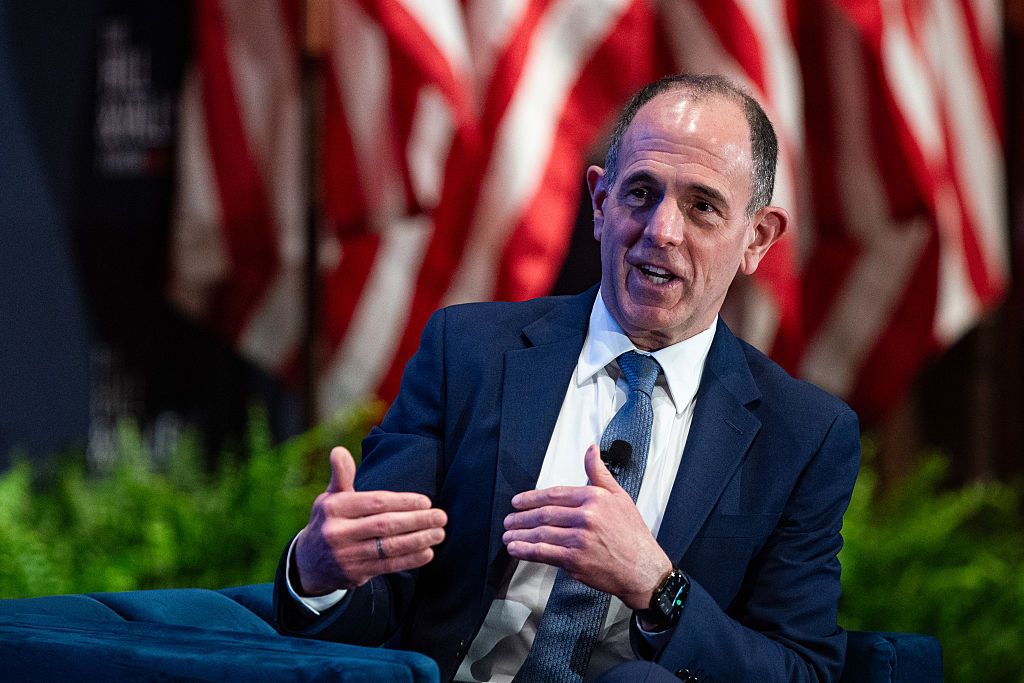
A recent TechCrunch event programme brings together investors, sports executives, founders, and technology builders to discuss AI, physical products, craftsmanship, community, and the changing role of capital. The event is scheduled for 10 September 2026 in New York, according to TechCrunch. While the event is far from Malaysia, its themes are highly relevant if you run a small business here.
You do not need to follow every startup trend. You do need to notice where AI can improve daily operations without weakening the trust, service, and local knowledge that make customers choose you.
TL;DR
AI is increasingly being discussed alongside physical products, sports, craftsmanship, and community—not as a replacement for everything people do.
For your SME, the practical lesson is to automate repetitive work while protecting human judgement, relationships, and the parts of your customer experience that competitors cannot easily copy.
What This Means
The source article highlights several ideas that go beyond artificial intelligence software. Investors are discussing how businesses should grow responsibly, while founders are building products that combine AI with physical activity, skilled work, and social interaction. One example is a company focused on rebuilding fine-craft supply chains and training artisans. Another is a game company using AI-powered creation tools while encouraging people to play together physically, as described by TechCrunch.
In plain language, this means the strongest businesses may not be those that automate every human touchpoint. They may be those that use technology to remove boring administration while making the valuable human parts more visible.
The right question is not “Where can you add AI?” It is “Which work should AI handle so your team can serve customers better?”
The article also raises a management question: should founders raise or pursue more resources simply because they are available? For a small business owner, the equivalent is adopting more systems, channels, and workflows than your team can properly manage. More technology does not automatically mean better performance. A simple system that your staff consistently use is often more useful than several advanced tools that create confusion.
How This Applies to Malaysian SMEs
1. Use AI to reduce repetitive office work. A Malaysian trading company, wholesaler, agency, or service provider may spend hours preparing quotations, summarising customer messages, checking order details, and updating internal records. AI can help draft replies, extract information from documents, classify enquiries, and prepare first versions of reports. Your staff should still review important details such as quantities, delivery dates, tax treatment, product specifications, and customer commitments.
This is especially useful for businesses handling enquiries through WhatsApp, email, Facebook, Instagram, and phone calls. Instead of asking one employee to remember every follow-up, you can create a shared process where incoming requests are recorded, categorised, assigned, and checked. AI assists with the repetitive sorting; your team remains responsible for the relationship.
2. Protect the human service that customers value. A clinic, tuition centre, renovation contractor, restaurant, boutique retailer, or professional firm may use AI to draft messages, but customers still want clarity and confidence. A customer choosing a renovation contractor may care about whether someone understands local building conditions, condominium rules, supplier availability, and family needs. A tuition centre may use automation for reminders, but parents still expect teachers to notice a child’s progress.
Think of AI as a backstage assistant. It can prepare the information, flag the next action, and reduce delays. Your people should handle sensitive complaints, unusual requests, negotiation, advice, and decisions where context matters. This approach helps you become faster without making your business feel cold or generic.
3. Combine digital efficiency with real-world community. The event’s focus on sports, games, physical craft, and community suggests an important opportunity for Malaysian SMEs. Your business does not have to compete only through online promotions. You can build loyalty through workshops, demonstrations, local partnerships, customer clubs, events, and useful face-to-face experiences.
For example, a specialty food business could use AI to plan content and analyse common questions, while hosting tasting sessions. A fitness studio could automate bookings and reminders, while coaches focus on motivation and personal guidance. A furniture maker could use digital tools for design concepts, while customers still value the maker’s material knowledge and hands-on finishing. Technology supports the experience; it does not become the entire experience.
4. Make decisions with evidence instead of excitement. The article discusses large investments in AI and how investors assess businesses when industries and asset classes become harder to distinguish, according to TechCrunch. You can apply the same discipline at a smaller scale.
Before introducing an AI tool, identify the problem, the current process, the person responsible, and the result you expect. If you cannot explain what will improve, do not rush. Start with one workflow, such as quotation follow-up or customer enquiry routing. Observe whether tasks are completed more consistently. Then expand only after your team understands the process.
Practical Takeaways for Your Business
- List repetitive tasks: Identify work your team performs repeatedly, such as data entry, reminders, document summaries, and basic customer replies.
- Separate routine from sensitive work: Automate standard requests, but keep complaints, negotiations, approvals, and personal advice under human control.
- Create one source of truth: Store customer details, order status, follow-ups, and ownership in a shared system rather than scattered chats and spreadsheets.
- Review AI output: Check names, dates, product information, language, and promises before anything reaches a customer.
- Keep local language in mind: Test whether messages sound natural in Bahasa Malaysia, English, Mandarin, Tamil, or the language your customers prefer.
- Measure operational results: Track response speed, missed follow-ups, completed tasks, repeat enquiries, and staff time released for higher-value work.
- Train your team: Explain what the system does, what it must not do, and who checks the final result.
- Preserve human contact: Schedule time for calls, consultations, demonstrations, community activities, or personal follow-up.
A Simple Starting Framework
| Business area | AI-supported task | Human responsibility |
|---|---|---|
| Sales | Draft quotations and classify enquiries | Confirm requirements and negotiate terms |
| Customer service | Suggest answers and identify urgent cases | Handle complaints and exceptions |
| Operations | Summarise orders and flag missing information | Approve schedules and fulfilment decisions |
| Marketing | Generate content ideas and organise campaigns | Check brand voice, accuracy, and local relevance |
| Management | Prepare weekly performance summaries | Decide priorities and corrective actions |
The table is a practical model rather than a fixed rule. You should adapt it to your industry, staff capability, customer expectations, and internal controls. For regulated or sensitive work, apply stricter review before using automated outputs.
The Bigger Picture
The long-term lesson is that AI will not exist separately from the rest of your business. It will affect how you design services, train employees, communicate with customers, create products, and build community. The businesses that benefit most may be those that connect digital efficiency with something tangible and trusted.
This matters for Malaysian SMEs because your advantage is often close customer knowledge. You understand neighbourhood demand, local buying habits, seasonal patterns, language preferences, supplier relationships, and the personal concerns behind a purchase. Large technology companies may provide general tools, but they do not automatically understand your customers as well as you do.
Your goal should therefore be practical: remove avoidable delays, make information easier to find, help staff follow through, and give customers a more consistent experience. At the same time, keep the judgement, care, craftsmanship, and relationships that make your business worth choosing.
Start with one process that frustrates your team every week. Document how it works, identify the repetitive steps, introduce limited automation, and review the result with the people who perform the task. If the process becomes clearer and customers receive better service, continue. If it creates more checking than value, simplify it or stop.
AI may attract attention because of large investors, ambitious founders, and high-profile events. Your business does not need to imitate them. You need to apply the underlying lesson: use technology with discipline, keep people at the centre of important decisions, and build a customer experience that works both on screen and in the real world.
Ready to Streamline Your Operations?
Your business should run itself. AutoRunBiz deploys AI agents to automate your daily operations — WhatsApp orders, invoicing, customer follow-ups, and accounting. Book a free 15-min ops audit to see where automation fits your business →