
Small Reactors, Big Questions: Why This Concerns Your Business
You’re running a business in Malaysia. Between managing staff, chasing deliveries, and handling customers, the relationship between a Silicon Valley nuclear startup and your daily operations isn’t at the top of your mind. But this week’s news about Valar Atomics should make you pause.
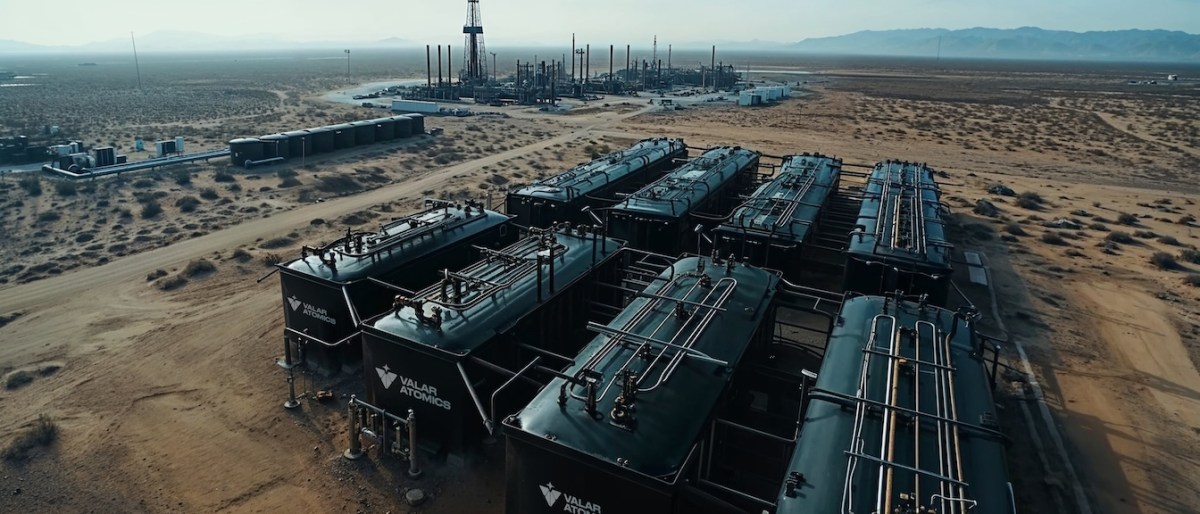
The company, backed by Sequoia, is building small modular nuclear reactors (SMRs) — compact, factory-built power plants that can be delivered to a site and plugged into the grid like a giant battery. Valar also announced a deal with Nvidia to develop a waterless 30MW AI factory. TechCrunch reports the funding round and the Nvidia partnership. You might think this is a distant story from another world. It’s not.
TL;DR: Nuclear power is going small and modular. Instead of building massive plants that take decades, companies are manufacturing mini-reactors that can power a data centre, an industrial park, or even a town. For Malaysian SMEs, this means energy reliability could change dramatically in the coming years — and opportunities to be part of the supply chain could open up for local manufacturers and technicians.
What This Means: Energy Is Becoming More Like a Product
Here’s the plain-language version. Traditional nuclear power plants are enormous projects. They require years of planning, billions in investment, and a huge amount of concrete and steel. SMRs are different. They are assembled in a factory, shipped in pieces, and installed on-site. Think of it like the difference between building a custom villa and buying a pre-fabricated home. You have smaller pieces, faster delivery, and more control.
Valar’s approach is also interesting because it treats each reactor as a data generator. The company says that with every reactor it builds, it collects engineering, manufacturing, and operational data that improves the next design. The gap between building a first core and getting a reactor running is getting smaller. According to the company, it took two years to complete the NOVA core, and only seven months to make the Ward 250 reactor critical. Read more about those milestones. That iterative cycle is something every manufacturer can understand: you build, you measure, you improve.
“Small, modular reactors aren’t just about replacing the old grid. They’re about giving power a shorter distance to travel — and that’s something every business owner can appreciate.”
How This Applies to Malaysian SMEs
Let’s bring this closer to home. Malaysia has been pushing for more renewable energy, but the grid is still centralised. Big power plants send electricity hundreds of kilometres along transmission lines. When one line goes down, a whole industrial area can go dark. Your SME might have experienced a sudden drop in power during a storm or a heatwave. SMRs, if they become practical, would allow energy to be generated where it is consumed. That means a factory in Johor could have its own mini-reactor, or a data centre in Selangor could run without relying on the national grid. For your business, the implication is simple: energy resilience could become a competitive advantage. If power outages are a headache for you, imagine having a local, stable source of electricity available.
But you don’t need to wait for a reactor to arrive. The fact that global investors are pouring money into this space means energy infrastructure is about to shift. According to the TechCrunch article, other nuclear startups have also been raising significant rounds. The trend is clear. For Malaysian SMEs, this is a signal to take energy planning seriously. Start by identifying which parts of your business are most vulnerable to power interruptions. Is it your point-of-sale system? Your 3D printers? Your server room? Once you know that, you can invest in backup systems, battery storage, or even solar roofing. You don’t have to build a nuclear plant — but you should build your own buffer.
There’s also a business opportunity angle. Malaysia’s electronics and engineering sectors are strong. SMRs need components, control systems, monitoring software, and skilled technicians to install and maintain them. While the reactors themselves are being developed abroad, the supply chain is global. Malaysian companies that manufacture precision parts, cable assemblies, or even thermal management systems could position themselves as suppliers. If you’re in fabrication or engineering, it’s worth tracking the specifications of these reactors and seeing where your capabilities might fit. Even if you’re a service business, you could partner with international firms that install and service energy equipment in Southeast Asia.
And don’t underestimate the AI angle. Nvidia’s involvement is telling. AI systems require enormous amounts of electricity, and data centres in Malaysia are expanding. The partnership between Valar and Nvidia could eventually lead to AI factories operating in water-scarce regions. For Malaysian businesses relying on cloud services or running their own AI workloads, a more reliable and localised power supply would mean fewer service disruptions and faster processing times. As AI becomes embedded in your workflow — from inventory forecasting to customer support — the energy behind those computations matters.
Practical Takeaways: What to Do This Week
- Audit your power dependencies. Walk through your premises and note every device that cannot withstand a power cut. This includes payment terminals, office Wi-Fi routers, and any machinery with critical settings.
- Follow the data centre narrative in Malaysia. When large tech companies choose Malaysia for infrastructure, it creates a ripple effect on the local energy grid. Keep an eye on announcements from local utilities and international data centre operators.
- Think about your energy efficiency. The less power your SME needs, the less exposed you are to grid problems. Do a quick check of old machinery, inefficient lighting, and computers left on overnight.
- Explore upskilling or partnerships. If you’re in an engineering or manufacturing-related trade, look at qualifications in industrial automation or high-voltage systems. Even a basic certification could open doors to new contracts.
- Board meetings aren’t just for AI. Make energy resilience a standing agenda item. Dedicate ten minutes each quarter to reviewing any new developments in how your local area gets power.
The Bigger Picture
The story of Valar Atomics isn’t really about nuclear physics. It’s about a shift from a world where energy is a distant, invisible service to one where energy is local, measurable, and even modular. For a small business owner, that shift means two things. First, you will have more control over your power supply than previous generations of entrepreneurs could dream of. Second, you will need to know more about energy to take advantage of it.
As these reactors move from concept to commercial reality, the manufacturing data they generate will make each unit faster and more reliable. The company says that with each reactor built, the time to start the next one shrinks. That is the core of their strategy. This approach could eventually make nuclear power practical for campuses, industrial parks, and even smaller towns. For Malaysian SMEs, the long-term outlook is positive: a more distributed energy system is more resilient, and a more resilient system is better for business.
| Valar Atomics Milestone | Time Taken | Source |
|---|---|---|
| Completion of NOVA core | 2 years | TechCrunch |
| Ward 250 reactor critical | 7 months | TechCrunch |
| Nvidia AI factory deal | Announced June 2026 | TechCrunch |
| Next milestone | Manufacturing fleets of SMRs | TechCrunch |
The next time you see the lights flicker in your shop or office, remember that the problem is being worked on by engineers and investors thousands of miles away. It won’t be solved tomorrow, but the direction is clear. Your job is to keep your business agile enough to benefit from that change. Start small. Start today. The power you save might be your own.
Ready to Streamline Your Operations?
Your business should run itself. AutoRunBiz deploys AI agents to automate your daily operations — WhatsApp orders, invoicing, customer follow-ups, and accounting. Book a free 15-min ops audit to see where automation fits your business →