
The Backup Battery That Could Teach You Something About Your Own Business
Imagine it’s a rainy Tuesday. A tree branch takes down a power line a block from your shop. The whole strip goes dark—your refrigerated goods, your Wi-Fi, your card payments, your point-of-sale system. For hours, you can’t serve anyone. Your employees stand around, and you’re losing money by the minute.
That’s the kind of problem that makes Malaysia’s SMEs feel helpless. But a recent US news story shows that a growing number of businesses are bulletproofing themselves against exactly this kind of failure—using a technology you might have associated with your neighbor’s solar panels. And it’s not just about having backup power. It’s about a completely different way of thinking about infrastructure and investment.
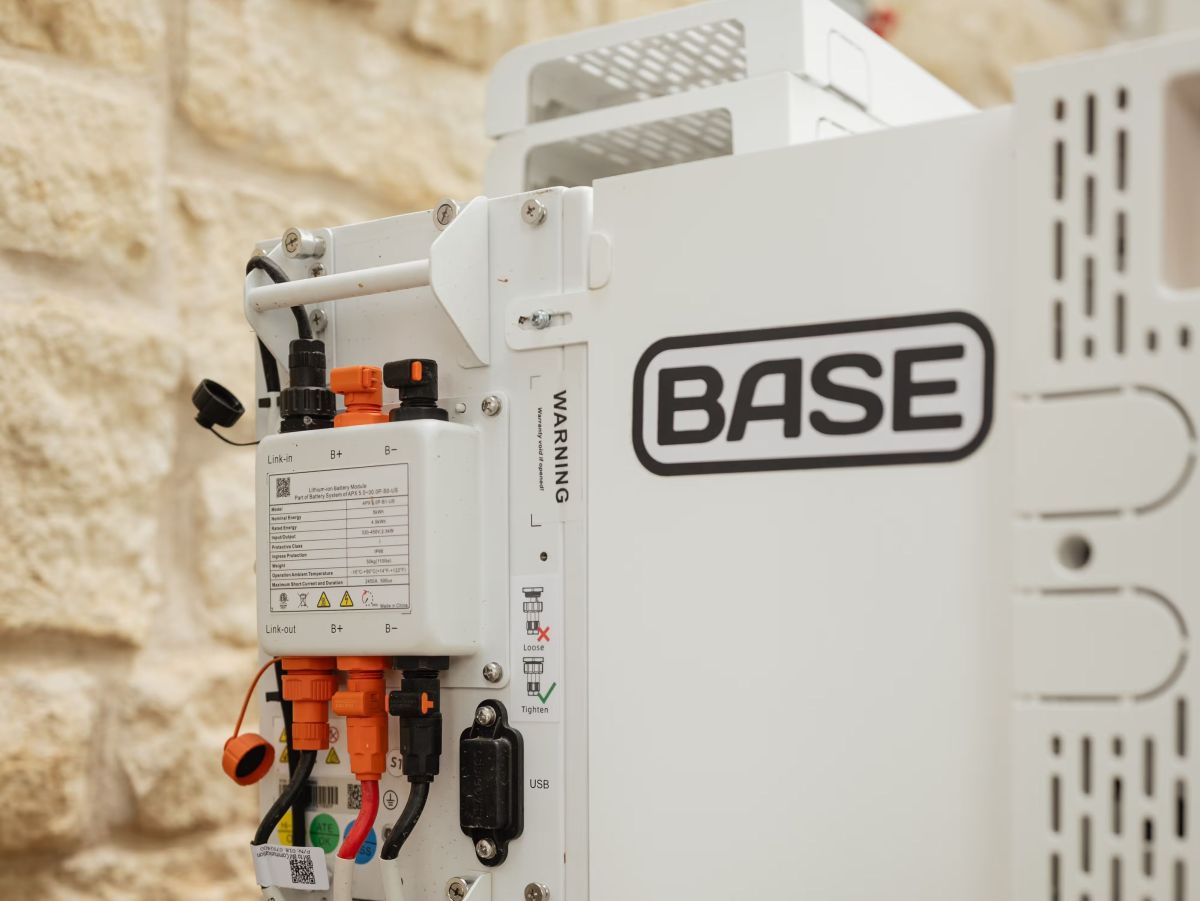
Base Power, a Texas startup, just announced another US$1 billion round, hot on the heels of a similar raise. The company is doing something radical: instead of building a giant battery farm near a power plant, it’s installing thousands of small batteries in people’s backyards. Each one is small on its own, but together, they act as a distributed power grid that can support the main grid during surges.
TL;DR
Distributed batteries are turning home infrastructure into a resilient network—just over 500 megawatt-hours installed to date, at a rate of about 100 units per day. The lesson for Malaysian SMEs: resilience doesn’t have to be one big, costly asset. It can be made of many small, affordable, reusable pieces. And a subscription-style model can help you get it without large upfront investments.
What This Means
In the old system, electricity flows from a few massive power stations to your front door. The grid is like a single-purpose highway, and when there’s a jam (or a blackout), everyone stops. But places like Texas and Illinois are experiencing extraordinary demand growth—partly driven by AI data centres and electrification of everything. The grid is hitting its limits in many spots. The typical response has been to build more central plants and big transmission lines. That’s expensive and slow.
Base Power’s answer is to invert that logic. Instead of a few huge batteries in a field, it installs a 39.2 kWh home battery, called Base Core, onto every home that subscribes. Users don’t buy the system—they pay something like an ongoing service. Base Power keeps ownership, and it earns money by selling stored power back into the grid during peak times. The home owner gains backup power when the grid blinks. This is a “virtual power plant” made up of ordinary rooftops.
The same principle applies to your business. Maybe you don’t need one big, complicated server room—you can use cloud tools and automated workflows that run from anywhere. Maybe you don’t need to buy a generator outright; you can sign up for a service. The shift is from owning expensive hardware to subscribing to capability.
How This Applies to Malaysian SMEs
Let’s start with the most direct use case: your power costs and backup. Malaysia’s electricity grid is relatively reliable, but outages are not unknown, and there are also peak-demand charges for commercial consumers. A battery that charges cheaply at off-peak hours and powers your shop during a peak can reduce your monthly bill. You may already have solar panels—batteries can double your independence. Even without a “backyard battery”, the idea is to think of electricity as something you can time-shift, not just consume. Review your utility plan to see if your tariff rewards shifting usage to different hours.
But the deeper lesson is about how you buy business infrastructure. Base Power doesn’t charge an enormous upfront price—it converts a purchase into a monthly subscription. This is happening around us, everywhere. From phones to office furniture to manufacturing equipment, the subscription-based hardware model is gaining ground. For a small Malaysian business, this means you can gain access to high-cost equipment—battery storage, an industrial printer, a machine—without tying up funds you need elsewhere. The subscription de-risks your size disadvantage: you don’t have to bet a year’s profit on a piece of equipment that might break.
There’s a third parallel, and this one is especially close to what we do at AutoRunBiz. A network of thousands of small devices is an automation play. Each battery is like a little operator that acts based on signals from a central platform. The system watches the grid, decides when to store, when to discharge, and when to use the power as backup. For your business, the equivalent is automating repetitive tasks—your customer follow-ups, your data entry, your monthly reports. Instead of hiring a team to handle these, you install “small batteries of effort” across your processes. They run quietly, they act together, and they make your business more resilient.
And it’s not an abstract thought experiment. As data centres spring up in Malaysia—see the recent growth around Johor—commercial electricity demand will keep climbing. This can put pressure on the grid and affect pricing for everyone else. It’s a smart SME owner who looks at their own power resilience and their operational resilience before an external shock forces their hand.
“The old strategy was one big machine that does everything. The new strategy is 10,000 small units that work as one. Your business can use the same logic to protect against a breakdown—in energy, in systems, or in your workflow.”
The Numbers Behind This Shift
| Metric | Base Power’s Number | Why It Matters |
|---|---|---|
| Storage per unit | 39.2 kWh | Enough to run an office or small shop for a day+ |
| Installation pace | ~100 batteries per day | Compounding small units create huge network capacity |
| Total capacity installed | 500+ MWh | Equivalent to a medium natural gas plant, but split into 12,000 pieces |
| Daily new capacity | 8 MWh per day | Adds about 2.9 GWh per year |
Practical Takeaways for Your SME
- Map your “grid”: list the points where your business is fragile. Is it a single employee who handles accounting? Is it a one-man IT setup? Is it your shop’s reliance on the local power line?
- Time-shift your energy use: if your tariff structure supports it, run energy-hungry tasks (laundry, charging equipment, baking, cooling) after 10 PM or before peak hours.
- Ask about energy subscribing: before you buy a generator or a battery system, look for providers that offer subscription or leasing plans, or solar PPAs. Don’t assume you must pay the full amount in advance.
- Automate your “backup” processes: don’t let a single point of failure stop your whole operation. Use cloud tools, automatically sync your files, automate your follow-ups, and make sure you can run your business from a phone if your office is dark.
- Adopt “tiny units, big system” thinking: instead of one expensive, huge tool, consider multiple small tools networked together—like using online scheduling, automated reminders, and cloud CRMs rather than one complex on-premise system.
The Bigger Picture
The energy industry’s pivot to distributed storage is a preview of a much larger shift—from centralization to distribution, from owning to subscribing, from single points of failure to resilient networks. That shift is coming to every piece of business infrastructure, from computing to logistics to customer communications.
Soon, competitive advantages will be created not by owning the biggest asset, but by intelligently connecting smaller ones—by automating their decisions and aligning their actions. For Malaysian SMEs, the best time to start participating in this model is today. You don’t need a billion dollars to install a few batteries in your company’s backyard. You just need to choose small, distributed, and automatic, over big, centralised, and fragile.
Ready to Streamline Your Operations?
Your business should run itself. AutoRunBiz deploys AI agents to automate your daily operations — WhatsApp orders, invoicing, customer follow-ups, and accounting. Book a free 15-min ops audit to see where automation fits your business →