
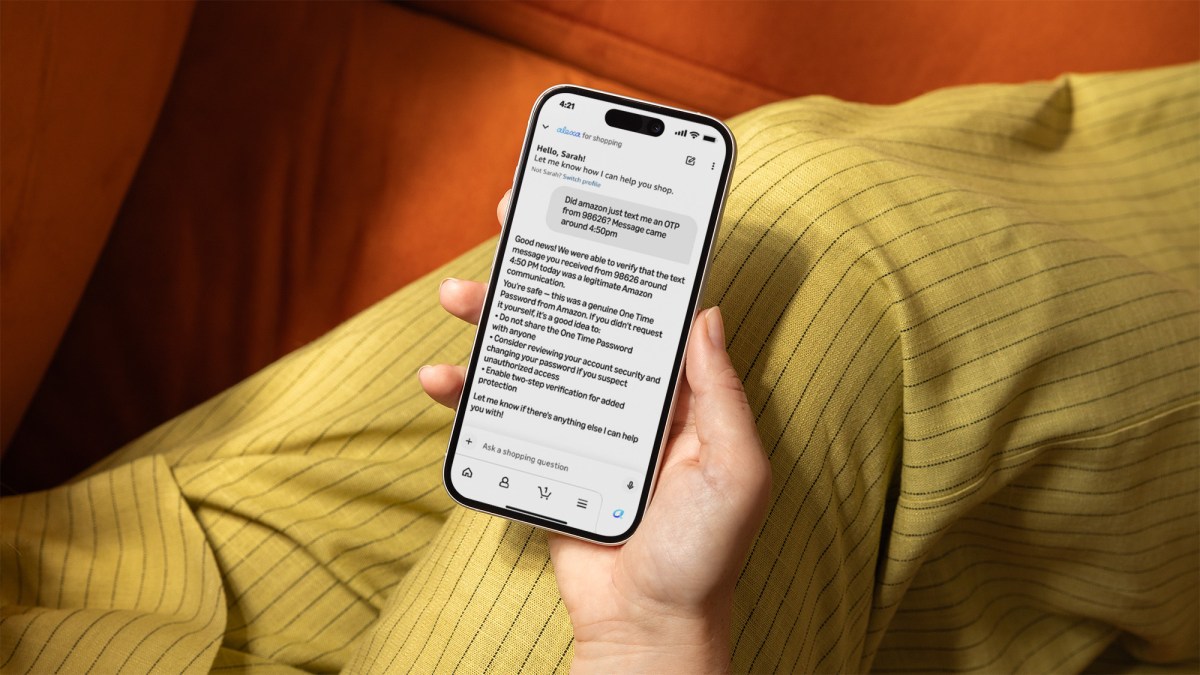
Scam messages are becoming a daily business risk
You may already have a routine for checking sales, stock, customer enquiries and staff matters. But a single fake message can interrupt that routine quickly. It may look like a delivery update, account warning, supplier request or payment instruction. If someone in your team trusts it, the result can be stolen login details, exposed customer information or an unauthorised transaction.
This problem is not limited to large companies. Malaysian SMEs often rely on WhatsApp, email, online marketplaces, courier services and banking platforms at the same time. That creates many points where an impostor can copy a familiar logo, use a convincing name or create urgency.
TL;DR: Amazon is using its shopping AI to check whether messages genuinely came from Amazon by analysing sender details, message content, timing and metadata. You can apply the same principle to your business by building a simple verification process before anyone clicks, shares information or acts on a request.
AI can assist with screening, but it should support—not replace—your team’s judgement and official verification channels.
What This Means
Amazon says around 360,000 customers contact its customer service department each year to ask whether a message is genuine. Its new Alexa for Shopping feature can check suspicious communications against the billions of messages Amazon has sent globally, examining information such as the sender, content, timing and message metadata.
In plain language, the system compares a questionable message with what a real message from the company should look like. It is not simply asking whether the message contains the word “Amazon”. It looks for several signals together.
| Signal to check | What it may reveal | What you should do |
|---|---|---|
| Sender details | The address or number may not belong to the claimed organisation | Check the full address, not only the display name |
| Message content | Unusual wording, threats or requests for sensitive details | Do not respond through the message link |
| Timing | The message may arrive when no related order or request exists | Compare it with your records |
| Metadata and links | The technical source or destination may not match the claimed business | Open the official app or website separately |
Amazon also provides a dedicated address, verify@amazon.com, for forwarding suspicious messages, along with an online customer service form. The important lesson is not that every company needs the same AI feature. It is that customers and staff need an easy way to check a message before taking action.
Key insight: The safest response to an urgent message is not faster clicking. It is independent verification through a trusted channel.
How This Applies to Malaysian SMEs
1. Protect your online selling and delivery process. If you sell through your own website, social media or marketplaces, your staff may receive messages about delivery problems, account restrictions or customer refunds. A scammer can imitate a courier or platform and ask someone to log in, confirm a card or scan a QR code. Create a rule: delivery and marketplace messages must be checked inside the official platform or app, rather than through a link in an unexpected message.
2. Add safeguards around supplier and payment requests. A fake supplier email may say that bank details have changed or that an invoice must be paid immediately. This is especially risky when one person manages purchasing and another handles payments. Require a second verification step using a known phone number or an existing conversation. Do not use the phone number or link included in the suspicious message. Record the confirmed supplier details in your internal system so staff have a reliable reference.
3. Help your team handle WhatsApp impersonation. Malaysian businesses commonly use WhatsApp for customer follow-up, staff coordination and supplier communication. An impostor may copy a manager’s photo and ask for confidential information or urgent action. Set a clear internal phrase or procedure for unusual requests. For example, any request involving account access, customer data or a new payment destination must be confirmed through a direct call or a separate staff channel.
4. Protect customer information. A message that appears to come from a customer may ask your team to resend an order, change a delivery address or share personal details. Your staff should verify the order number inside your system and confirm changes through the contact details already stored there. This reduces the risk of a scammer using a compromised email account or social media profile to manipulate an order.
5. Prepare for fake job and recruitment messages. Amazon has identified job scams among the types of fraudulent communication targeting its users, alongside fake order confirmations, membership renewal alerts, account suspension notices and package delivery notifications according to the source article. Your business can face similar impersonation involving recruitment agencies or candidates. Never ask applicants to send unnecessary sensitive information through an unverified channel, and ensure your hiring messages use a consistent official email address.
Practical Takeaways for Your Business
- Create a “stop and verify” rule: Staff must pause when a message demands urgency, secrecy, login details or a change to payment information.
- Use official apps directly: Open your bank, marketplace, courier or government service app independently instead of clicking a message link.
- Check the complete sender identity: Display names can be copied easily. Inspect the full email address, phone number and web domain.
- Use two-person approval: A second person should confirm unusual payment, refund, bank-detail or account-access requests.
- Keep a trusted contact list: Store verified supplier, platform and service-provider details where staff can find them.
- Report suspicious messages: Preserve the original message, sender information and link. Do not delete evidence before reporting it.
- Train with realistic examples: Show staff fake delivery alerts, account warnings and invoice requests so they practise spotting warning signs.
- Limit access: Give each employee only the system access needed for their role, and review access when someone changes position.
A simple verification checklist
- Did you expect this message?
- Is the sender using the organisation’s genuine channel?
- Does the request match a real order, invoice or conversation?
- Is the message pushing urgency or secrecy?
- Can you confirm it using a separate, trusted channel?
If the answer to any of these questions is unclear, pause the action. A short delay is easier to manage than recovering a compromised account or correcting a fraudulent instruction.
The Bigger Picture
The Amazon example shows that AI is moving beyond answering questions and recommending products. It can also act as a checking layer between a person and a potentially harmful message. Amazon says its system can improve as customers report more suspicious communications, allowing the service to learn from additional examples as reported by TechCrunch.
For SMEs, the long-term opportunity is practical rather than flashy. You may eventually use AI inside your email, helpdesk, accounting or messaging tools to flag unusual requests. It could compare sender details with known contacts, identify suspicious wording, detect unexpected changes and ask for confirmation before a task proceeds.
However, no automated checker should be treated as perfect. Attackers change tactics, genuine messages can look unusual and employees may still make mistakes. Your strongest protection will combine technology with simple business rules, limited access, clear approval steps and regular staff awareness.
Start with one high-risk process this week, such as supplier bank-detail changes or marketplace account alerts. Document how your team verifies it, identify the official channel and make the procedure easy to follow. Once that works, extend the same approach to delivery updates, customer-data requests and recruitment messages.
As scam messages become more convincing, your advantage is not trying to recognise every trick from memory. It is designing your business so that one suspicious message cannot immediately trigger a serious action.
Ready to Streamline Your Operations?
Your business should run itself. AutoRunBiz deploys AI agents to automate your daily operations — WhatsApp orders, invoicing, customer follow-ups, and accounting. Book a free 15-min ops audit to see where automation fits your business →