
Why E-Bike Security Needs More Than a Strong Lock
If your business uses e-bikes for deliveries, site visits, campus transport, or short-distance errands, theft is not only a personal inconvenience. A missing bike can interrupt daily operations, delay customers, and create uncertainty about where company equipment has gone.
A physical lock remains important, but it only protects the bike while it is secured properly. If someone cuts the lock, moves the bike into a building, or takes it during a quiet period, your next priority is knowing its location and preventing unauthorised use. A new connected e-bike device called Astra shows how security technology is moving in that direction.
The device is designed to be built directly into e-bikes. According to its maker, Comodule, it can keep an e-bike trackable for up to 12 months while the bike is stored, using smarter power management. Source: Electrek
TL;DR
Connected tracking can add several security layers: location monitoring, alerts, smart locking, and possible electronic immobilisation.
For Malaysian SMEs, the lesson is practical: protect business e-bikes through a combination of strong locks, clear operating procedures, tracking, and fast response—not one device alone.
What This Means
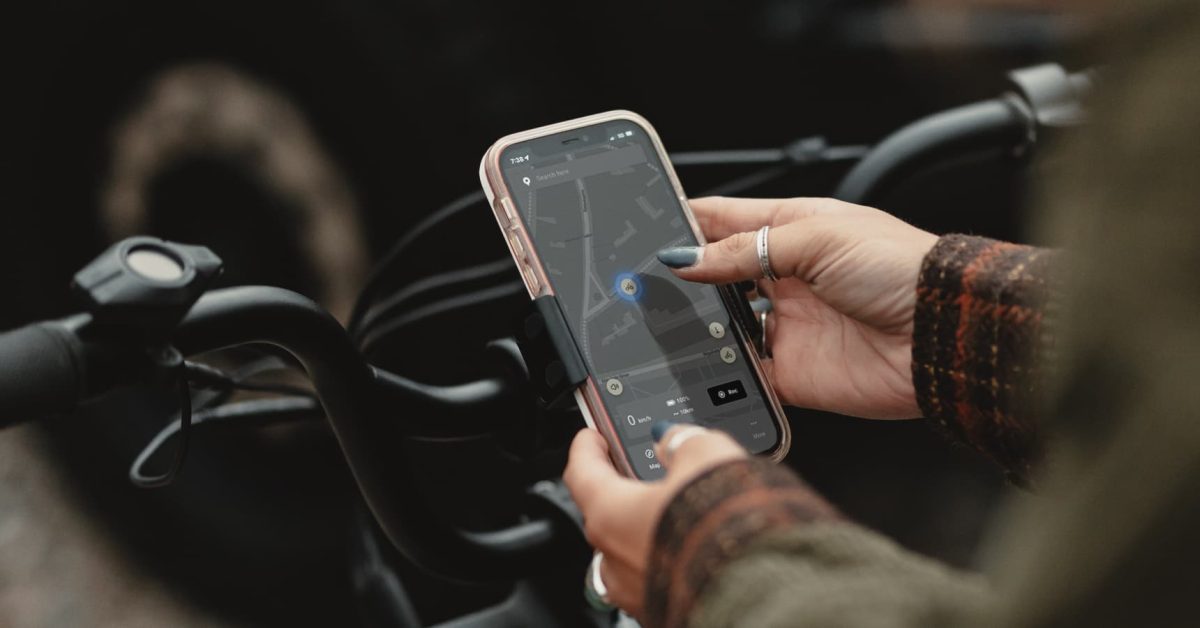
Astra is an IoT module intended for e-bike manufacturers. It can connect with the bike’s electrical system and other components through CAN connectivity, allowing the bike to share information with an app or software platform. Depending on how a manufacturer integrates it, users may be able to view live location and status, receive alarm notifications, share digital access, lock the bike remotely, or immobilise it electronically. Source: Electrek
Its tracking approach combines conventional satellite positioning with Wi-Fi Locate. This matters because satellite signals can be less reliable inside warehouses, apartment buildings, car parks, and dense urban areas. Wi-Fi-based location information may help provide a more useful position when a stolen bike is moved indoors. Source: Electrek
The device also uses Cat-1bis cellular connectivity, which Comodule describes as being designed for more reliable connections indoors, in dense cities, and in remote areas. Source: Electrek This does not mean every location will have perfect coverage. It means the hardware is being designed for practical connected-vehicle conditions rather than only open outdoor spaces.
The reported 12-month tracking period applies to long storage situations and should not be misunderstood as a promise that the entire e-bike can operate for a year without charging. The tracking hardware normally draws power from the e-bike system, and actual performance will depend on the bike, battery condition, usage, connectivity, and manufacturer integration. Source: Electrek
Useful principle: The best e-bike security makes theft harder, alerts you quickly, and improves the chance of recovery if the bike still disappears.
How This Applies to Malaysian SMEs
For a food delivery operator, pharmacy, bakery, or neighbourhood retailer, e-bikes may move through busy areas such as shop lots, condominium drop-off points, commercial kitchens, and office towers. A rider may park for only a few minutes, but that can still create a weak point. A connected system could help you receive an alert when a bike is moved unexpectedly, check its last known location, and confirm whether it is being used during an authorised delivery window.
If you run a service business, such as air-conditioning maintenance, pest control, cleaning, or facility support, your technicians may use e-bikes to carry tools between nearby locations. In this situation, the bike is not just transport; it is part of the work kit. A simple asset record can connect each bike to an employee, department, service area, and maintenance schedule. Location and status information can support accountability without requiring supervisors to call every rider throughout the day.
Campus operators, property managers, tourism businesses, and event companies may keep several e-bikes in storage between operating periods. This is where long standby tracking becomes useful. A bike that sits in a back room, storeroom, or remote branch should not become invisible simply because nobody rides it for several weeks. You can include a monthly security check, confirm the device is reporting, inspect the physical lock, and review whether the bike is still assigned to the correct location.
Businesses that lend e-bikes to staff also need controlled access. Digital access sharing may allow an authorised employee to use a bike without handing over a permanent key. When someone leaves the company or changes role, access can be removed from the system. However, you should treat this as part of an internal process: maintain an access register, define who approves access, and review inactive users regularly.
Malaysia’s weather and operating conditions also make basic procedures important. Heavy rain, heat, dust, and inconsistent charging habits can affect equipment reliability. A tracker cannot replace inspections. Your team should check the bike battery, lock, tyres, lights, mounting points, and tracking status as part of a routine handover.
A Simple Security Layer Model
| Security layer | Purpose | SME action |
|---|---|---|
| Physical prevention | Make unauthorised removal more difficult | Use a quality lock, secure frame to a fixed object, and choose visible parking areas |
| Immediate awareness | Know when a bike is disturbed or moved | Enable movement alerts and assign someone to review notifications |
| Location visibility | Support recovery after a bike goes missing | Check the last reported location and preserve relevant records |
| Access control | Limit who can use or unlock the bike | Assign users, remove former users, and keep an access register |
| Operational follow-up | Reduce repeated incidents | Review where and when security failures occur, then update procedures |
The table describes a management approach rather than a guarantee. Tracking accuracy, alert speed, battery performance, and recovery outcomes will vary by device, network, environment, and software setup. Treat any vendor claim as a feature to verify during evaluation.
Practical Takeaways
- List every business e-bike. Record its identification number, assigned branch, responsible user, storage location, and current condition.
- Use two layers of physical protection. Secure the frame and wheel where appropriate, and do not leave the bike in an isolated location even when tracking is enabled.
- Define an alert response. Decide who receives a movement notification and what happens during the first ten minutes.
- Check indoor performance. Ask vendors to demonstrate location reporting in areas relevant to your business, such as basement parking, warehouses, and shop lots.
- Clarify the standby claim. Confirm whether the stated battery period applies to storage mode, normal riding, or a specific hardware configuration.
- Control digital access. Keep user permissions current and remove access promptly when staff change roles or leave.
- Protect customer and employee information. Limit location data to authorised personnel and set a clear retention policy.
- Prepare a recovery procedure. Keep the police report process, bike details, serial numbers, screenshots, and vendor support contacts in one place.
- Test the system. Run a controlled alert test and confirm that the right person receives and understands it.
Questions to Ask Before You Adopt Connected Tracking
Before choosing a connected e-bike platform, ask whether the tracker is factory-integrated or added after purchase. Integration can affect tamper resistance, battery behaviour, service access, and the ability to immobilise the bike safely. Ask which mobile networks are supported in Malaysia and whether the system continues to report in indoor locations that matter to you.
You should also ask who owns the data, how administrators access it, what happens when connectivity is unavailable, and whether the platform provides an export of asset records. If your staff share bikes across shifts, confirm whether the system can support multiple authorised users and an audit trail.
Finally, check what happens during a real incident. A location pin is useful, but your staff should not confront suspected thieves. Establish a safe escalation process involving management, the technology provider, building security, and the police where appropriate.
The Bigger Picture
Comodule says its technology has connected more than 850,000 e-bikes, e-scooters, and other light electric vehicles over 11 years. Source: Electrek The wider direction is clear: e-bikes are becoming connected business assets rather than standalone vehicles.
Future SME fleet management may combine location, access rights, maintenance status, battery information, delivery activity, and digital ownership records in one system. Comodule also describes support for digital bike passports, recovery services, insurance-related integrations, and software integration through API and SDK tools. Source: Electrek
You do not need to wait for every new feature before improving your process. Start by treating each e-bike as an operational asset with an owner, a location, a security routine, and a response plan. Then assess whether connected tracking can fill the gaps that locks and manual checklists cannot.
The practical conclusion: technology can make your e-bike fleet easier to monitor, but protection still depends on disciplined people and clear procedures. Use tracking as one layer in a sensible security system, not as a substitute for responsible storage, controlled access, and quick action.
Ready to Streamline Your Operations?
Your business should run itself. AutoRunBiz deploys AI agents to automate your daily operations — WhatsApp orders, invoicing, customer follow-ups, and accounting. Book a free 15-min ops audit to see where automation fits your business →