
Your Laptop Order Is Late — Now What?
You just hired a great new team member. You did the usual thing: ordered the same MacBook Air you’ve bought for every employee for years. Then the delivery date slips. Late August — or for certain configurations, September. Your new hire starts in two weeks with no work laptop.
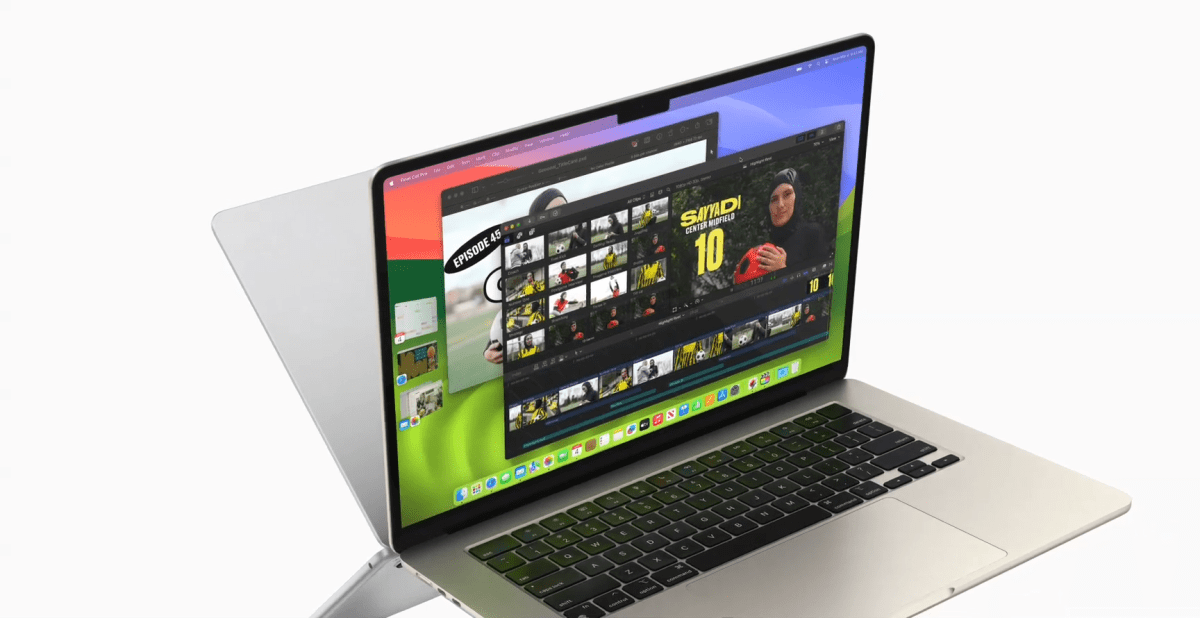
This isn’t a hiccup with one order. The global memory chip shortage, driven by AI companies consuming enormous amounts of memory, has hit Apple’s most popular Mac. Bloomberg’s Mark Gurman reports that Apple is struggling to keep the MacBook Air in stock, with retailers saying supply is more constrained than ever. If you equip your team with laptops, this directly affects you.
TL;DR
- Memory chip shortages from AI demand are delaying MacBook Air deliveries into late August and September.
- If you buy laptops for your team, plan for longer lead times and limited stock — don’t order at the last minute.
- Audit your hardware needs now, order early, and build flexibility into your tech setup so one delayed device doesn’t stall your business.
What This Means
Memory chips are the RAM and storage inside every computer, phone, and server. AI companies need massive numbers of these chips to run their data centers, and they’re buying so much that the supply available for consumer devices is drying up. Apple’s smaller lines — the Mac mini and Mac Studio — were already affected. The MacBook Air is the latest victim, and it’s the model many Malaysian SMEs use most.
The signs are visible. Apple’s website currently shows delivery dates in the back half of August, with some configurations slipping to September. Apple is sourcing memory from Chinese suppliers to ease the bottleneck. Its marketing now leads with the base model MacBook Pro, and its product page carries an unusual “MacBook Air subject to availability” warning. That’s a clear signal that this isn’t a normal inventory dip.
How This Applies to Malaysian SMEs
Most SMEs buy hardware on a need-basis. A hire signs, an order is placed, the laptop arrives in days. That playbook no longer works. If your new employee starts in two weeks, a late-August delivery means they’re either sitting idle or working on a personal device — neither of which helps your onboarding flow or your client commitments. For a team of 10 to 50 people, even one delayed unit creates a ripple effect across projects and deadlines.
Your refresh cycle matters more than you think. Many businesses replace laptops every three or four years, often when a machine finally dies. If you’ve been waiting for the right moment, you’re now competing — for the same limited memory supply — with every other SME in your position, plus the AI industry’s relentless demand. The fix: stop treating hardware as an emergency purchase. Audit which machines are nearing end-of-life, pick your standard configuration, and order replacements two to three months before you need them. Prefer base models — they’re more likely to be produced in higher volume and stocked by resellers.
It’s also worth questioning how dependent you are on local hardware. If your staff spend most of their day in a browser, cloud tools, and SaaS apps, you don’t need anything elaborate. You need a contingency. Keep one or two spare, fully configured laptops in the office. Or shift some work to cloud desktops — so even if a physical device is delayed, your team can still log in and work. That one decision makes your entire business harder to stall.
And a practical note for Malaysia specifically: retailers say the supply situation is more constrained than ever before. So don’t rely solely on Apple’s website. Check authorised Apple resellers in your area — they often hold stock separately and can give you a more realistic regional timeline.
“The era of same-day laptop delivery for business is over. Treat hardware like a strategic resource — plan ahead, keep spares, and build flexibility into how your team works.”
Practical Takeaways
- Audit now: List every device your team uses, its age, and how critical it is.
- Forecast ahead: Map out likely new hires, replacements, and backup devices for the next 6 months.
- Order early: Assume 2–3 month lead times and place orders before you’re desperate.
- Check multiple channels: Apple’s site, authorised resellers, and enterprise suppliers all hold different stock levels.
- Standardise configurations: Base models ship faster than custom builds.
- Keep a spare pool: One or two ready-to-use devices can save you during delays.
- Move workloads to the cloud: Reduce your dependency on physical hardware for day-to-day operations.
| Timeline | What’s happening | What you should do |
|---|---|---|
| Now (August) | MacBook Air supply constrained; certain configurations ship in September | Audit your team’s hardware; check resellers for existing stock |
| Next 4–8 weeks | Apple prioritises the base model MacBook Pro; Air availability stays variable | Standardise on base configurations; order replacements early |
| 3–6 months | AI demand for memory chips continues to absorb supply | Build a 6-month hardware forecast; move more workloads to cloud tools |
| Long term | Memory supply stays tight; hardware planning becomes a core business practice | Keep a small spare pool; plan device lifecycles deliberately |
The Bigger Picture
This shortage isn’t a temporary blip. AI data center demand is structural — it will keep absorbing a huge share of the world’s memory chip output for the foreseeable future. Even as new manufacturing capacity comes online, consumer laptops will remain in direct competition with AI infrastructure.
For Malaysian SMEs, the wake-up call is clear: the “order today, deliver tomorrow” era for hardware is gone. Businesses that build longer procurement cycles, maintain spare capacity, and rely less on specific physical devices will face far fewer disruptions. This is the same resilience lesson that applies to your suppliers, your cloud services, and your people: build slack into the system. The companies that do this well won’t just survive the shortage — they’ll run smoother than ever while competitors scramble.
Ready to Streamline Your Operations?
Your business should run itself. AutoRunBiz deploys AI agents to automate your daily operations — WhatsApp orders, invoicing, customer follow-ups, and accounting. Book a free 15-min ops audit to see where automation fits your business →