
Your Next Delivery Might Not Need a Driver
You are running a business in Malaysia. Every day, you deal with the same bottlenecks: finding enough riders for your food delivery fleet, coordinating service crews across Penang and Selangor, and managing the sheer overhead of moving goods or people around the Klang Valley. The news out of Israel and the US this week isn’t just tech gossip for investors to obsess over. It is a direct operational signal for SME owners like you.
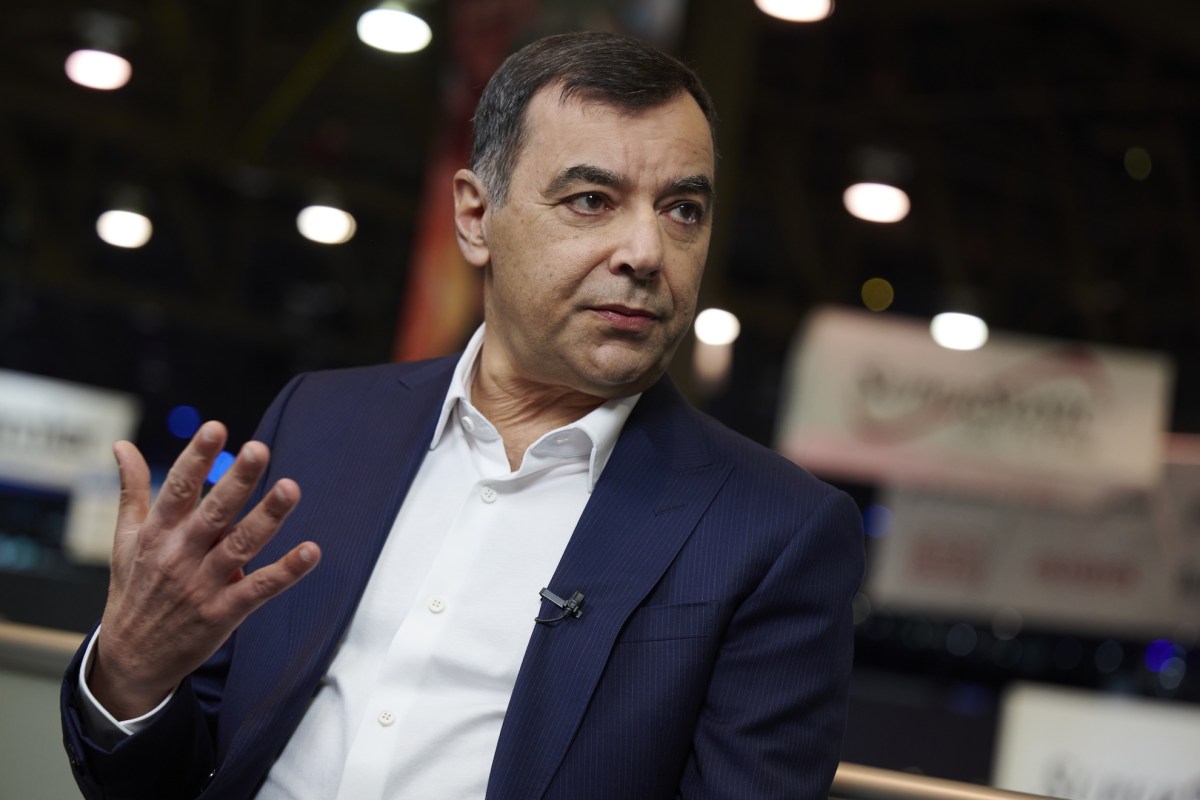
Mobileye, the company that powers the driver-assist chips in millions of vehicles worldwide, just announced that its founder and CEO is stepping aside so the company can go all-in on robotaxis and humanoid robots (source). When a proven, publicly traded giant with Intel as its largest shareholder decides to dedicate itself to removing the driver from the vehicle, it is no longer a science experiment. It is a roadmap for the next five years of your operational costs.
TL;DR
The shift at Mobileye confirms that autonomous driving and general-purpose robotics are moving from expensive R&D labs into commercial reality. For the Malaysian SME, this forecasts a massive drop in the friction of moving things and doing repetitive tasks. Your business model needs a digital backbone right now to be ready to plug into this future.
What This Actually Means in Plain Language
Amnon Shashua built Mobileye into the backbone of modern car safety. Now, the company is pursuing what it calls “Mobileye 3.0”. This means two specific things for your business: driverless vehicles (robotaxis) and humanoid robots.
A robotaxi is simply a vehicle that doesn’t need a human to drive it. The cameras and sensors that currently help your own car stay in a lane are being advanced to handle full navigation of a city. Mobileye has already signed a deal to supply autonomous driving systems to Volkswagen and is targeting launching its own robotaxi service in the U.S. by 2027. They also spent nearly a billion dollars to acquire a humanoid robotics startup (Mentee Robotics), betting that general-purpose robots will handle physical tasks in warehouses and workshops.
How This Applies to Malaysian SMEs Right Now
The Logistics Bottleneck Breaks Open.
Look at your delivery operations. Whether you are sending parcels from Shah Alam, delivering groceries in Johor Bahru, or dispatching a technician to a client site, your biggest constraint is the human driver. You are limited by shift hours, traffic tolerance, and the sheer difficulty of finding reliable riders. When a vehicle can drive itself legally from Petaling Jaya to Damansara, your delivery window expands to 24 hours. You can split a load without sending a person to babysit it. The primary input cost of delivery—the driver—is being engineered out of the equation.
The Service Dispatch Model Changes.
For SMEs that rely on field staff (cleaning, AC repair, pest control), the value of an autonomous vehicle isn’t just about saving petrol. It is about asset utilisation. Imagine your technician no longer drives the van from job to job. The van drives itself to the next location while the technician focuses purely on the task at hand. On the robotics side, the humanoid bet from Mobileye means that repetitive physical tasks in a packaging or sorting line can be taken over by a general-purpose robot. Your ability to grow is currently capped by your headcount. Physical automation directly attacks that barrier.
The Data Readiness Gap is the Real Threat.
Here is the practical reality for you as a 1-to-50 person company. You cannot buy a robotaxi tomorrow. But the software infrastructure these systems need is exactly what you should be building today. Autonomous fleets run on clean digital data—precise addresses, structured order flows, and automated dispatch logic. They do not run on WhatsApp groups and paper delivery lists. The SME that has already automated its internal processes will be the one that gets first access to an autonomous fleet when it arrives in Malaysia. The gap between the winners and the losers will not be the hardware. It will be the digital readiness of the business.
“The real impact of Mobileye’s shift is not about cars driving themselves in America. It is about the global baseline of human-directed mobility dropping, which forces every SME with a logistics or operations component to fundamentally rethink how it is structured.”
Redefining Your Local Advantage.
If autonomous delivery on standard routes becomes cheap and widely available, your moat as a local business shifts. “We know the route” is no longer a defence if a robot can learn any route instantly. Your moat becomes your product quality, your customer relationship depth, and your ability to handle the complex exceptions that robots cannot manage. Investing in customer experience and exception-handling processes is now a competitive necessity, not just a nice-to-have.
A Quick Look at the Operational Shift
| Business Area | Current Constraint | Future Impact (Autonomous Horizon) |
|---|---|---|
| Last-Mile Food / Parcel Delivery | Rider shortages, peak hour capacity limits, shift management | Self-driving pods handle standard bulk routes; humans manage complex or urgent exceptions |
| Field Service (Repair / Installation) | Technician lost in traffic; limited jobs completed per day | Vehicle drives itself between jobs; technician solely focuses on the repair task |
| Warehousing / F&B Preparation | Manual sorting, repetitive heavy lifting, high staff turnover | Humanoid robots handle predictable pick/place cycles and cleaning sequences |
| Retail / Showroom Operations | Staff required for basic stock checks and facility presence | Autonomous inventory scans and security patrols reduce overhead for physical locations |
Practical Takeaways You Can Act On Today
- Audit your digital infrastructure. Does your order system talk directly to a dispatch process, or does a human type everything out twice? Autonomous systems need machine-readable data. Start cleaning your data now.
- Map your “exception” process. Robots and self-driving fleets will handle the standard 90% of transactions perfectly. Your business value will increasingly come from how brilliantly you handle the tricky 10%.
- Rethink your service area. If the cost of standard delivery drops significantly (as automation implies), you might be able to serve a wider radius without needing a proportional increase in team size. Start building your brand presence in that broader area.
- Prepare your people for a new role. Your best rider or warehouse picker might become a remote fleet supervisor or a high-touch customer service agent who handles the exceptions. Shift training toward problem-solving and digital skills now.
The Bigger Picture: What This Trend Means Long-Term
For the last twenty years, the competitive advantage of a typical Malaysian SME was built on managing people and proximity. Your ability to hire and retain reliable drivers, riders, and general workers was your moat. The Mobileye bet, combined with global moves from Waymo, Tesla, and Baidu, signals that this moat is actively eroding.
The next competitive advantage will not be your headcount. It will be your software stack, your data cleanliness, and your ability to partner with autonomous logistics networks. The SME that treats this news as something distant will wake up one day facing competition that works 24/7, never asks for medical leave, and does not sit in traffic complaining about Waze.
The time to build your automated operational core is not when the first robotaxi pulls up to your loading bay in Malaysia. It is right now, while the primary investment needed is just your focus and a clear digital strategy. The hardware is being built today. Make sure your software is ready for it.
Ready to Streamline Your Operations?
Your business should run itself. AutoRunBiz deploys AI agents to automate your daily operations — WhatsApp orders, invoicing, customer follow-ups, and accounting. Book a free 15-min ops audit to see where automation fits your business →