
Why the AMD-Nvidia Rivalry Matters for Your SME
When you see headlines about tech giants like AMD and Nvidia competing over AI chips, it’s tempting to scroll past. After all, you’re running a small or medium-sized enterprise in Malaysia, not a Silicon Valley data center. But here’s the thing: this competition is setting the stage for AI tools that will become essential for businesses like yours. The hardware behind AI is getting better and more affordable, and that directly impacts the software you could be using tomorrow.
Think about the last time you used an automated tool for scheduling, inventory, or customer follow-ups. Those tools rely on AI models trained on powerful systems like the ones AMD and Nvidia are building. When these systems improve, your tools get faster and smarter without you doing a thing. That’s why this news matters.
Even if you’re not directly buying rack-scale systems, the services you use—from CRM platforms to online booking systems—will benefit from this infrastructure. So, understanding this shift can help you make better decisions for your business.
TL;DR: AMD’s new Helios system competes directly with Nvidia, promising better performance for AI training. This rivalry will likely lead to more powerful and affordable AI services for businesses. For Malaysian SMEs, it means now is the time to explore AI for automating routine tasks, improving customer engagement, and streamlining operations.
What This Means
What This Means: Helios is a rack-scale system, which is essentially a supercomputer in a box for training AI models. AMD claims it outperforms Nvidia’s Vera Rubin system (source). This matters because Nvidia has dominated the AI chip market, and competition could reduce costs and open up more options. While your SME won’t buy a Helios directly, the cloud services you use likely will have access to these systems, making AI more accessible.
According to AMD CEO Dr. Lisa Su, the AI accelerator market is expected to reach $1.4 trillion by 2030 (source). This growth indicates that AI will become a core component of business operations worldwide. The system is already backed by major customers like OpenAI, Meta, and Microsoft, all of which have plans to deploy it (source).
How This Applies to Malaysian SMEs
For Malaysian SMEs, this development is more relevant than you might think. Consider a typical retail business in Kuala Lumpur: managing stock, handling customer queries, and processing orders. AI tools powered by better infrastructure can automate these tasks, freeing up your team for higher-value work. Similarly, for food and beverage businesses, AI can predict demand based on local trends, reducing waste.
In service industries like accounting or legal, AI can assist with document review, data entry, and scheduling. The key is that these tools don’t require you to be tech-savvy. With user-friendly platforms already emerging, SMEs can start small with chatbots or automated reporting. For example, a small accounting firm in Penang could use AI to generate financial reports in minutes, not hours.
Moreover, as AMD and Nvidia compete, AI-as-a-service models are likely to become more affordable. This means you can access cutting-edge AI capabilities without huge upfront investments. For instance, customer relationship management tools with AI recommendation engines are already available, and they rely on the very infrastructure being upgraded by these chip makers. Platforms like AutoRunBiz offer tailored solutions for Malaysian businesses, helping you get started quickly.
Beyond customer-facing tasks, AI can streamline internal operations. In hiring, it can screen resumes and schedule interviews. For marketing, AI analyzes customer behavior to optimize campaigns, saving your budget. Even supply chain management in manufacturing SMEs can be enhanced with AI forecasting. The hardware competition ensures these tools run faster and cheaper over time.
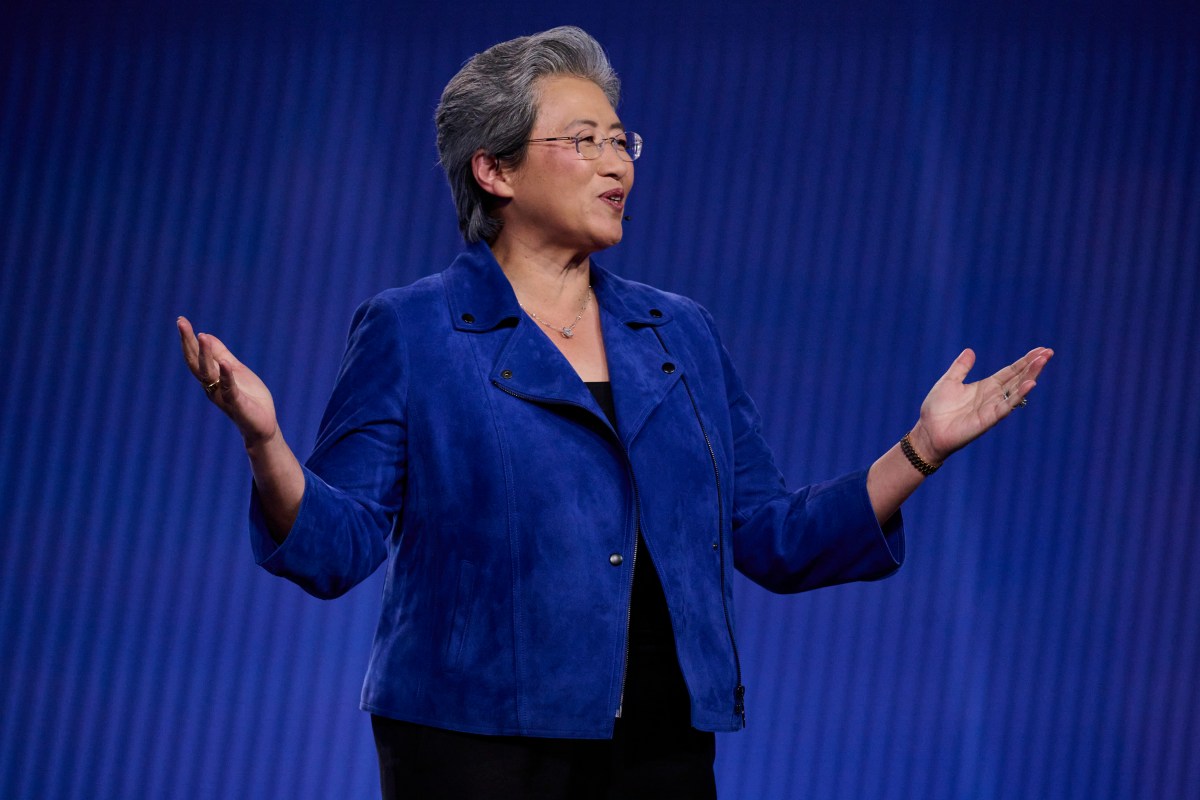
“We’re now expecting that by 2030, the AI accelerator market is going to reach about $1.4 trillion. What that means is, by the end of the decade, the AI accelerator market is going to approach the size of the entire semiconductor market today.” – Dr. Lisa Su, AMD CEO
This projection highlights the massive scale of AI growth. For SMEs, this means AI will become a standard business tool, not a luxury. The competition between AMD and Nvidia is accelerating this transition by making hardware more powerful and affordable.
Practical Takeaways
- Start small: Implement AI in one area, like customer support with a basic chatbot. Test and learn before scaling.
- Focus on data: Clean and organize your customer data to make AI tools more effective. Quality data is the fuel for AI.
- Look for platforms: Explore Malaysian-friendly AI tools like those on AutoRunBiz for automating tasks like invoicing or scheduling.
- Stay informed: Follow developments in AI infrastructure; it affects the tools you’ll use. Competitions mean better options for you.
- Partner wisely: Choose software providers that leverage diverse hardware options for performance, ensuring you benefit from the latest advances.
The Bigger Picture
The Bigger Picture: The rivalry between AMD and Nvidia is driving innovation in AI hardware, which will trickle down to everyday business tools. By 2030, AI could be as integral as the internet for business operations. Malaysian SMEs that start adopting AI now will have a competitive edge in efficiency and customer experience.
As agentic AI evolves, tasks that require multiple steps—like answering customer queries across platforms or managing supply chain logistics—will become automated. Dr. Lisa Su emphasized that agentic AI requires “lots of GPUs” because it involves reasoning and multiple steps (source). This means future AI tools will be even more powerful. Staying ahead of this curve allows your SME to adapt while competitors hesitate.
Key Data at a Glance
| AI System | Key Feature | Potential Impact for SMEs |
|---|---|---|
| AMD Helios | Highest-performance AI rack for data centers (source) | Faster, cheaper cloud AI services for your tools |
| Nvidia Vera Rubin | Established dominance in AI infrastructure | Competition drives innovation and price improvements |
| Market Projection | AI accelerator market to reach $1.4 trillion by 2030 (source) | AI becomes mainstream for all businesses |
| Major Customers | OpenAI, Meta, Microsoft, Oracle, Anthropic (source) | Wide adoption ensures robust tool development |
In conclusion, the AMD Helios launch is more than tech news—it’s a signal for Malaysian SMEs to start integrating AI into their operations. The infrastructure supporting AI is rapidly improving, and by staying informed, you can take practical steps to benefit your business today.
Ready to Streamline Your Operations?
Your business should run itself. AutoRunBiz deploys AI agents to automate your daily operations — WhatsApp orders, invoicing, customer follow-ups, and accounting. Book a free 15-min ops audit to see where automation fits your business →