
Why Robotaxi Safety Should Matter to Your Business
Autonomous vehicles may seem far removed from your shop, factory, clinic, logistics operation, or professional services firm. However, a recent investigation into injuries among robotaxi test drivers highlights a business issue that affects every Malaysian SME adopting automation: a system can be impressive, fast, and mostly reliable while still creating serious risks during unusual situations.
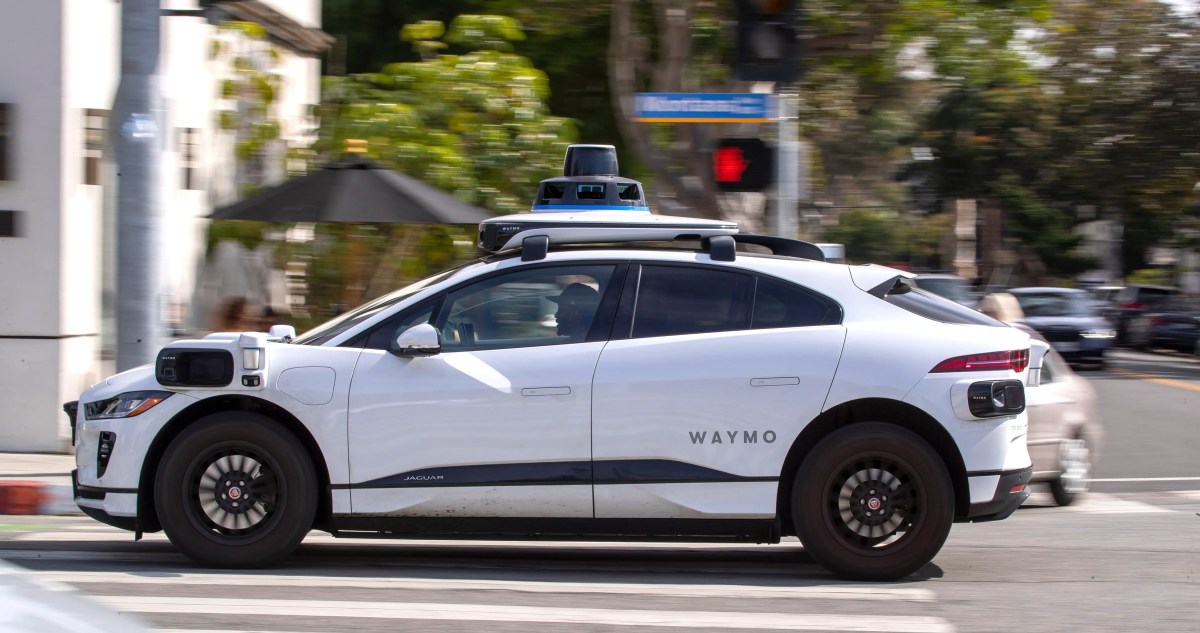
TechCrunch reported that test drivers working with Waymo and Zoox suffered more than two dozen injuries in 2024 and 2025 after autonomous vehicles braked hard or made sudden movements. The reported injuries included sprains, strains, pain, and whiplash. Source: TechCrunch
For you, the lesson is not simply “be careful with self-driving cars”. It is this: when you introduce AI into daily work, you must monitor how the system behaves around employees, customers, suppliers, and equipment—not only whether it completes the intended task.
What Happened
Waymo and Zoox use human test drivers and contractors to supervise autonomous vehicles on public roads. According to injury data submitted to the United States Occupational Safety and Health Administration (OSHA), Transdev, which manages Waymo’s test drivers, reported 16 injuries connected to Waymo depot operations in San Francisco, Los Angeles, and Phoenix. Zoox reported as many as eight worker injuries linked to hard braking. Source: TechCrunch
Waymo-related injuries in those three markets increased from five in 2024 to 11 in 2025, with hard braking responsible for nearly all of the 2025 cases, according to the reviewed OSHA records. One reported incident involved a vehicle braking without an apparent obstruction, leaving the employee away from work for 157 days. Another incident involving children in a pathway resulted in 175 days away from work. Source: TechCrunch
Zoox contractors told TechCrunch that abrupt braking, known internally as “brake jabs”, could happen several times during a test drive. They said the behaviour could occur when the system detected, or mistakenly detected, debris on the road. The company’s injury records included cases involving shoulder, arm, neck, rib, spine, pelvis, and back pain. Seven of eight entries explicitly mentioned hard braking, “nogo” system shutdowns, or brake jabs. Source: TechCrunch
Zoox said the injuries represented a small percentage of the millions of miles travelled by its test fleet and that some hard-braking incidents were unavoidable. Waymo said safety for riders, road users, and its team was a priority, adding that human-supervised testing supports its validation process. Source: TechCrunch
Why This Matters for Malaysian SMEs
Malaysian SMEs are already using automated tools for customer replies, invoice processing, stock monitoring, staff scheduling, delivery routing, document extraction, and sales forecasting. Many of these systems do not physically move a vehicle, but they can still cause operational harm when they make a wrong decision quickly and at scale.
Consider a wholesaler using an automated stock-reordering system. If the system misreads a promotion or duplicates an order, you may receive too much slow-moving stock while essential items remain unavailable. A restaurant using AI-assisted purchasing could misinterpret demand during a public holiday. A service company using automatic appointment scheduling could create overlapping bookings, causing staff fatigue and customer complaints. In each case, the core problem resembles the robotaxi issue: automation reacts confidently before a human understands what triggered the action.
There is also a workplace safety angle. A Malaysian warehouse may use automated guided vehicles, conveyor controls, smart cameras, or robotic packing equipment. A factory may connect sensors to machine controls. A logistics SME may use route optimisation that sends drivers through unsuitable roads or creates unrealistic delivery sequences. If an automated decision can affect a person’s movement, workload, driving, lifting, or exposure to machinery, you need safeguards before deployment.
You should also treat “rare” incidents seriously. A low incident percentage does not automatically mean a system is safe for your operation. The right questions are: How severe could one error be? Can staff stop the process immediately? Is the decision recorded? Who reviews unusual behaviour? Does the system become less reliable during rain, network interruptions, poor data quality, festive-season demand, or unfamiliar locations?
| Automation risk | SME example | Practical control |
|---|---|---|
| Sudden automated action | Robot, machine, or workflow changes direction or status unexpectedly | Use a physical or digital stop function and define escalation rules |
| False detection | Camera, sensor, or AI flags a normal item as a problem | Require human confirmation for high-impact decisions |
| Unclear accountability | Staff do not know who approves an automated outcome | Assign an owner for each system and document responsibilities |
| Unrecorded incidents | Employees work around repeated errors without reporting them | Keep an incident log and review patterns weekly |
What You Can Do Before Scaling Automation
Start with a controlled pilot. Do not connect a new AI or automation tool to every customer, branch, machine, or transaction on the first day. Select one workflow, establish a baseline, and define what “safe and acceptable” means. For example, if you automate invoice extraction, measure not only processing speed but also missing fields, incorrect tax details, duplicate invoices, and the number of manual corrections.
Next, identify the system’s stop conditions. Your staff should know when to pause automation and switch to manual handling. Examples include repeated failed logins, unusual order values, conflicting stock counts, a sudden increase in customer complaints, or an AI-generated response that does not match company policy.
Train employees to report near misses, not only completed failures. If an automated scheduling tool nearly double-books a customer, that is useful evidence. If a chatbot repeatedly gives unclear answers about returns, record it before the issue becomes a public complaint. A near-miss register can reveal a pattern earlier than monthly financial reports.
Automation should reduce avoidable work without removing human responsibility for high-impact decisions.
Finally, review vendor claims carefully. Ask how the system was tested, what happens when data is incomplete, how changes are communicated, where logs are stored, and how you can export your data. Request a clear escalation channel. If a vendor cannot explain how your team can investigate a wrong output, the tool may not be ready for an important workflow.
The Bigger Picture
The robotaxi story shows the difference between technical capability and operational readiness. A vehicle may complete millions of miles and still produce a movement that injures a worker. Similarly, an AI system may correctly process thousands of records while occasionally creating an error that disrupts a customer, employee, or supplier.
For Malaysian SMEs, this is an opportunity to build better automation habits early. You do not need a large compliance department to do this. You need a simple register of automated processes, a named person responsible for each one, a clear manual fallback, basic staff training, and regular review of incidents and near misses.
Automation works best when you treat it as a managed business process rather than a plug-in feature. Before expanding from one branch to ten, or from internal documents to customer-facing decisions, test the edge cases that resemble real Malaysian operations: public holidays, multilingual messages, unstable connectivity, supplier delays, changing regulations, and sudden demand from social media.
The most useful question is not “Can this system automate the task?” Ask instead: “What happens when it is wrong, how quickly will we notice, and can a person safely take control?” That question can help you gain the benefits of AI and automation without allowing speed to hide preventable risk.
Ready to Streamline Your Operations?
Technology moves fast. Your operations should keep up. AutoRunBiz builds AI systems that run your daily workflows — from WhatsApp order capture to accounting. Book a free 15-min ops audit →