
Your Business Isn’t Silicon Valley. That’s Exactly the Point
You’ve probably heard the phrase “digital transformation” thrown around. But for a Malaysian SME owner with a workshop, a restaurant, or a small logistics fleet, it can sound like tech jargon for other people. You’re not a SaaS startup. You’re trying to keep orders moving, inventory in check, and customers happy. When you hear about AI and automation, it often feels like software-only solutions that don’t touch the messy reality of your physical business.
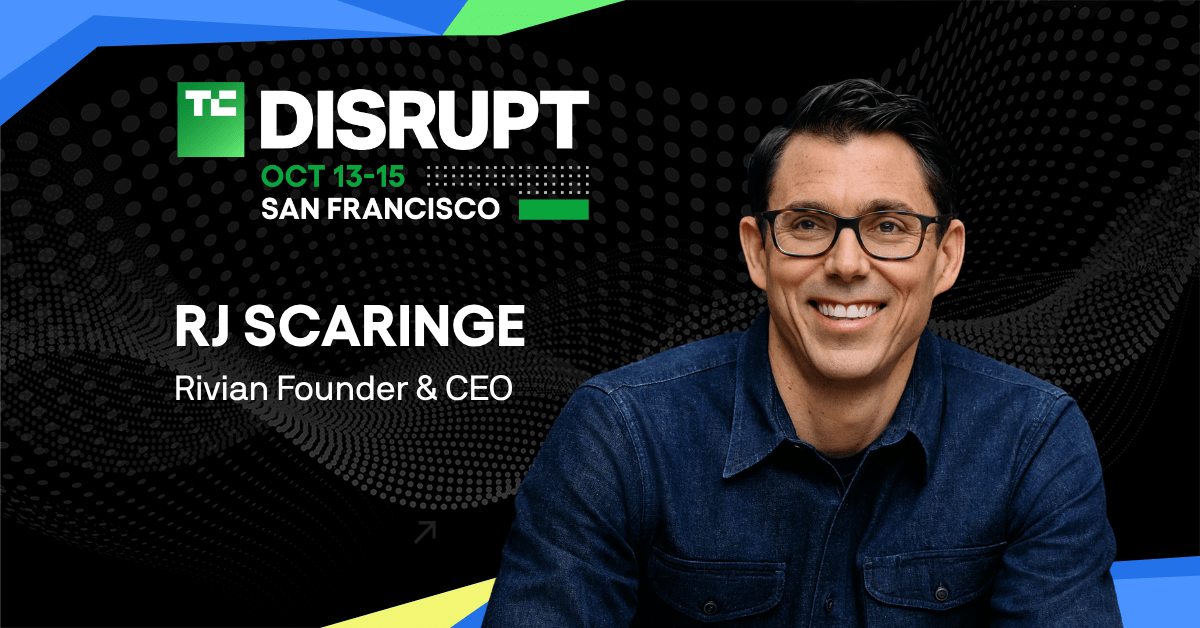
Then comes the story of RJ Scaringe, CEO of Rivian. He’s not a pure software guy. He builds electric vehicles, runs entire factories, and is now betting heavily on humanoid robots and autonomous driving. He’ll be talking about this at TechCrunch Disrupt 2026 in October. But the real reason you should care isn’t the shiny machines. It’s how he thinks about combining physical operations with smart automation — a problem you deal with every single day.
TL;DR: Rivian’s bet is a signal that automation is moving off the screen and into the physical world. For Malaysian SMEs, the lesson is to find the repetitive, hands-on parts of your business and start automating them now. You don’t need a billion-dollar factory — you need a plan to replace a few manual tasks with simple technology. The window for adopting this is wider than you think, but it won’t stay open forever.
What This Means: Hardware + Software + Humans
Rivian isn’t just an electric car company. It’s a company that designs, manufactures, and delivers physical products at scale. That means dealing with supply chains, factory floors, quality control, and human labor. Scaringe is now adding a roadmap to full Level 4 autonomy by 2028 — a target for vehicles that can drive themselves in most conditions. He’s also running Mind Robotics, a humanoid robotics company, with Rivian’s factory floor as its first proving ground.
The big idea is connecting the digital brain with physical muscles. That’s what automation looks like in 2026. It’s not just sending emails automatically. It’s machines that lift, pack, sort, and drive. For Malaysian SMEs, this matters because your business probably has a lot of “physical” tasks that are still done manually.
| Rivian’s Move | What It Means | What You Can Learn |
|---|---|---|
| Building its own charging network | Supporting product adoption with infrastructure | Don’t sell a solution your customers can’t easily use |
| Investing in humanoid robots | Using automation to address labor shortages | Automate repetitive tasks to free up your team |
| Targeting Level 4 autonomy by 2028 | Long-term bet on self-operation | Plan for systems that run more independently |
How This Applies to Malaysian SMEs
Start with the physical bottlenecks. In Malaysia, a huge share of SMEs are in manufacturing, food processing, retail, and logistics. That means your business has real, tangible items moving through it. Think about the last time you watched someone on your team re-enter data from paper invoices, manually count stock, or hand-pack products. Those are the tasks where automation can make an immediate difference. Simple barcode scanning, inventory management software, or a small conveyor sensor can handle what a worker does at 30% of their speed.
You don’t have to replace anyone. One of Scaringe’s most interesting ideas is human-robot coexistence. The goal isn’t to fire workers — it’s to put robots on the most repetitive or physically demanding jobs. In Malaysia, where labor shortages are a recurring headache for small manufacturers, this is a practical answer. If you run a factory or a warehouse, a robot arm that packs boxes for eight hours a day means your existing staff can focus on quality checks and customer requests. In a restaurant, a kitchen display system that organizes orders automatically is a form of automation that helps tired workers, not replaces them.
Think beyond the “thing” you sell. Rivian’s strategy also includes building a charging network. For you, that means thinking about the entire customer journey around your product. If you sell physical goods, could you automate the post-purchase follow-up? If you run a service business, could you automate appointment reminders and feedback collection? The lesson here is that automation isn’t just about the production line — it’s about the whole experience around it. And your customers in Malaysia expect quick, reliable communication. You can deliver that without hiring more people.
Give your automation project its own space. Scaringe founded Mind Robotics as a separate company, with Rivian as its first big customer. You can do this on a smaller scale. Instead of trying to change everything at once within your existing workflow, pick a small pilot project. Let one team member experiment with a new tool for two weeks. Measure the impact, then expand. This reduces risk and helps your people adapt gradually.
“Building in the physical world and then bringing AI into the fold is a different challenge than most pure software companies face. That’s the challenge you’ve already been dealing with. You’re not behind — you’re standing at the starting line with a practical advantage.”
Practical Takeaways
- Map your repetitive tasks. Spend one afternoon listing the top 10 things your team does over and over. Circle the ones that take the most time and don’t require creativity.
- Pick one small automation. Choose a single task you can automate with an inexpensive tool — stock alerts, invoice reminders, or order notifications. Get it running within 30 days.
- Involve your staff early. Tell them the goal is to make their work easier, not replace them. Ask which tasks they’d gladly hand over to a machine.
- Measure before and after. Track hours saved, error rates, or customer response times. You need evidence to justify the next step.
- Don’t chase every trend. You don’t need humanoid robots today. You need a smarter way to handle invoicing, scheduling, or inventory — then build from there.
The Bigger Picture
The companies that succeed in the next decade won’t be the ones with the fanciest robots. They’ll be the ones that treat automation as a continuous habit. Rivian’s plan to bring cars, robots, and autonomy together under one roof is a signal: the boundary between digital and physical is dissolving. For Malaysian SMEs, the opportunity is to move early while your competitors are still thinking about it.
You have one advantage that big tech companies don’t: you’re close to your operations. You can see exactly where the friction is — the slow packing line, the endless phone calls to confirm appointments, the manual stock count every Friday. That visibility is your starting point. You don’t need to wait for a CEO on a stage in San Francisco to tell you what to do. You just need to start applying the same logic in your own space, at your own scale.
The future isn’t about building cars or robots. It’s about building a business that can adapt. And that’s a job you can begin today — one task, one tool, one workflow at a time.
Ready to Streamline Your Operations?
Your business should run itself. AutoRunBiz deploys AI agents to automate your daily operations — WhatsApp orders, invoicing, customer follow-ups, and accounting. Book a free 15-min ops audit to see where automation fits your business →