
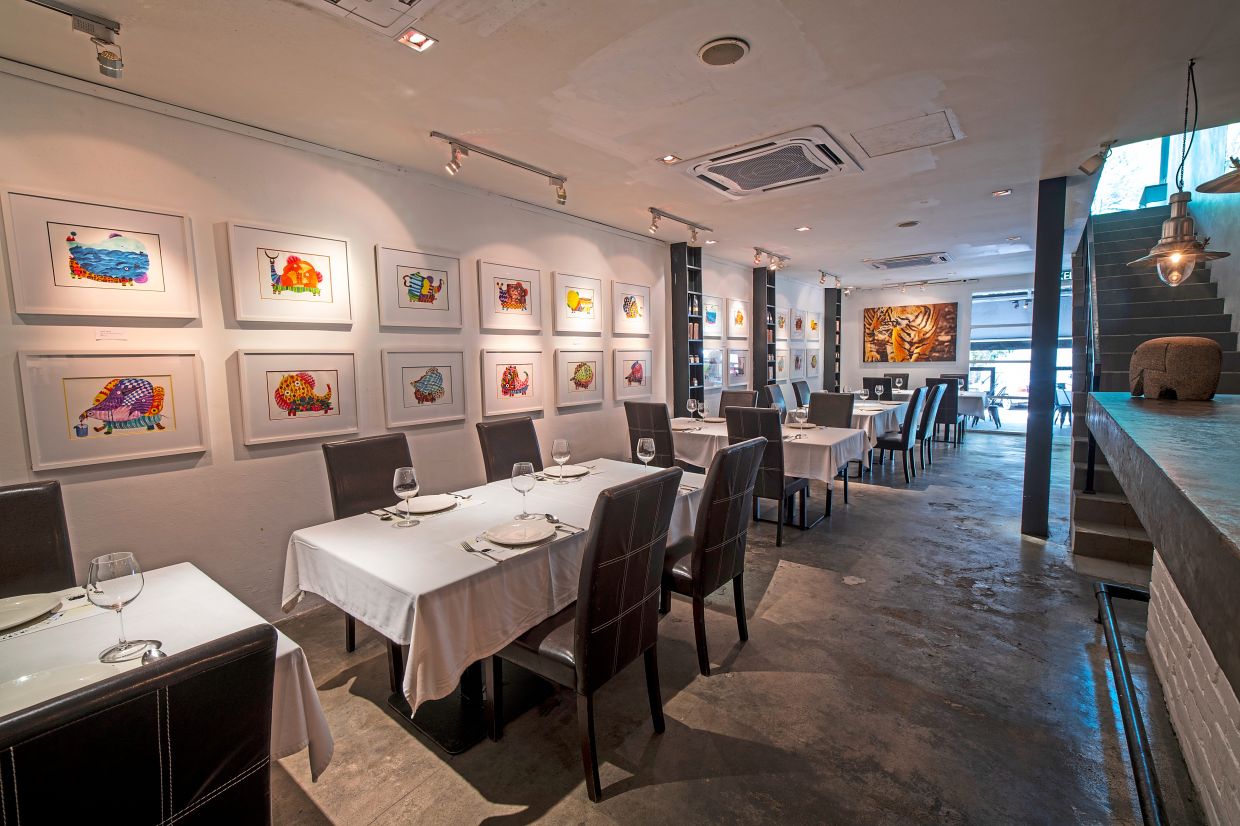
Your Restaurant Can Look Busy and Still Be Failing
Running a restaurant is rarely just about serving food you believe in. You may have a strong concept, a beautiful dining area and customers filling the tables, yet still struggle because the kitchen cannot cope, the operating process is weak or the business is not measuring what matters.
Many Malaysian SME owners learn these lessons only after opening their first outlet. The experience can be valuable, but avoidable mistakes in layout, branding, staffing and daily tracking can create problems that become harder to fix as you grow. Lessons shared by experienced Malaysian restaurateurs show that passion needs to be supported by practical systems.
TL;DR: Start with a workable operation, not just an attractive concept. Track whether each promotion, menu item and outlet activity contributes to a healthy business. Protect your brand name and document repeatable processes before expanding.
The restaurateurs featured by The Star began with different motivations, including a love of food, a desire to support culinary talent and the opportunity to test an emerging concept. Their experiences offer useful guidance not only to restaurant owners, but also to cafés, bakeries, caterers and other Malaysian SMEs serving customers every day.
What This Means
The central lesson is simple: customer demand does not automatically create a sustainable business. A full dining room may indicate popularity, but it does not tell you whether your menu is well controlled, your team is productive, your operations are efficient or your activities are generating a healthy return.
One restaurateur described designing a kitchen that was too small because too much attention went into the dining space. This is a common planning problem. Customers see the front of house, so it is tempting to prioritise furniture, lighting and décor. However, the kitchen, storage area, ordering process and staff movement determine how reliably you can serve customers.
Another lesson came from entertainment. A busy upstairs bar with live music created an energetic atmosphere, but the additional operating commitments meant the activity did not support the business. This distinction matters for any SME: revenue activity and profitable activity are not always the same.
There is also a brand protection lesson. A restaurant name can become one of your most valuable business assets, but failing to protect it early can create serious disruption if another party registers or uses the name. The exact trademark process depends on your circumstances, so you should obtain advice and check the relevant requirements with MyIPO.
A packed restaurant and a sustainable restaurant are not necessarily the same thing. Measure the operation behind the customer experience, not only the visible activity.
How This Applies to Malaysian SMEs
First, design the workflow before the décor. Whether you operate a kopitiam, cloud kitchen, café, bakery or small retail outlet, map how an order moves from customer to completion. Identify where staff receive orders, prepare items, check accuracy, package them and hand them over. If you use delivery platforms, include the time needed for incoming orders, rider collection and customer support. A beautiful outlet will not compensate for long waiting times, incorrect orders or staff constantly crossing paths.
For a Malaysian SME with one to 50 employees, this does not require complicated technology. You can begin with a simple process map and a daily checklist. Record common bottlenecks such as missing ingredients, unclear modifications, delayed approvals or repeated questions from staff. Once the process is visible, you can decide where automation will help, such as centralising orders, sending preparation alerts or maintaining a shared stock record.
Second, separate popularity from performance. A promotion may bring many customers, but you need to understand what happens after the sale. For example, a buy-one promotion may increase order volume while creating heavier preparation work, more wastage or slower service. A special event may attract a crowd but require extra staff and equipment. Review the result using operational measures, not just social media engagement or customer counts.
You can apply the same thinking to menu items. Track which dishes sell, how often they require substitutions, how long they take to prepare and how frequently customers return for them. If a popular item repeatedly causes delays, you may need to adjust the recipe, preparation schedule or ordering process. These decisions become easier when information is collected consistently rather than discussed from memory.
Third, treat your brand as an operating asset. Your name, logo, menu design, recipes, customer database and online profiles all contribute to how customers recognise you. Before investing heavily in signage, packaging or marketing, check whether your preferred name is available and take appropriate steps to protect it. Keep ownership records for digital accounts, domain names and social media pages. Do not allow a former employee or external supplier to remain the only person with access to an important account.
This matters beyond restaurants. A cleaning company, tuition centre, online seller or professional services firm can also lose customer trust if its name, contact details or online presence suddenly changes. A short brand administration checklist can prevent a long and disruptive recovery exercise.
A Practical Operating Scorecard
Use a small weekly scorecard to see whether your business is improving. The figures below are suggested review categories, not industry benchmarks. Choose measures that reflect your own operation and record them consistently.
| Area | What to review | Why it matters |
|---|---|---|
| Demand | Orders or customer visits by day and channel | Shows when and where demand is coming from |
| Service | Average preparation or response time | Highlights delays that affect customer experience |
| Accuracy | Incorrect orders, refunds or complaints | Reveals process and training gaps |
| Stock | Out-of-stock incidents and discarded ingredients | Helps improve purchasing and preparation planning |
| People | Shift coverage, task ownership and repeated errors | Shows whether the workflow is clear to staff |
| Brand | Trademark status and account access list | Protects your identity and customer touchpoints |
For information about business registration and related Malaysian government services, you can refer to Suruhanjaya Syarikat Malaysia. For food premises and food safety guidance, review the relevant information from the Ministry of Health Malaysia. Always confirm current requirements directly with the appropriate authority.
Practical Takeaways
- Walk through the full customer journey: Include ordering, preparation, payment, collection, delivery and after-sales support.
- Plan the back end first: Check kitchen capacity, storage, staff movement, equipment access and cleaning routines before finalising the front-of-house design.
- Review every promotion: Compare customer response with preparation time, stock usage, service delays and operational workload.
- Record repeatable tasks: Create short checklists for opening, closing, stock receiving, food preparation, quality checks and complaint handling.
- Protect your business name: Check availability, maintain proper records and seek professional guidance on registration and trademark matters.
- Give staff clear ownership: Every important task should have a responsible person and a backup, especially during busy periods.
- Use one source of information: Avoid scattered updates across personal chats, paper notes and verbal instructions when a shared digital record can reduce confusion.
- Review weekly, not only during crises: Small problems are easier to correct before they affect customers or expansion plans.
The Bigger Picture
The long-term difference between a first outlet that remains stressful and one that supports growth is often the quality of the operating system behind it. Experienced owners can rely on judgement developed over years, but a smaller business can still build useful discipline from the beginning.
This is where automation can support, rather than replace, good business judgement. A simple system can help collect orders, assign tasks, remind staff about checks, organise customer enquiries and produce regular reports. The purpose is not to add complexity. It is to reduce forgotten steps and give you a clearer view of what is happening when you are not physically present.
Before opening a second outlet or adding a new business line, ask whether the first operation can be explained clearly to another manager. Can a new team member follow the process without repeatedly asking you? Can you identify the cause of a service problem from your records? Can you protect the customer experience when you are away for a week?
If the answer is no, expansion may simply multiply the same weaknesses. Use your first outlet as a learning ground, but capture those lessons in checklists, reports and staff training. Your goal is not to remove the human character from the business. It is to make the important parts reliable enough that your team can deliver them consistently.
The best lesson from these restaurateurs is not that every first attempt must be perfect. It is that each mistake should become a documented improvement. When you balance passion with workflow planning, performance tracking and brand protection, you give your Malaysian SME a stronger foundation for its next chapter.
Ready to Streamline Your Operations?
Your business should run itself. AutoRunBiz deploys AI agents to automate your daily operations — WhatsApp orders, invoicing, customer follow-ups, and accounting. Book a free 15-min ops audit to see where automation fits your business →