
Why a Global Smartphone Ranking Matters to Your Business
When a smartphone becomes the world’s best-selling model, the story is bigger than consumer electronics. It can influence which devices your customers, staff, suppliers and business partners use every day. For Malaysian SME owners, that matters because smartphones now sit at the centre of sales conversations, customer support, field operations, content creation, payments and business automation.
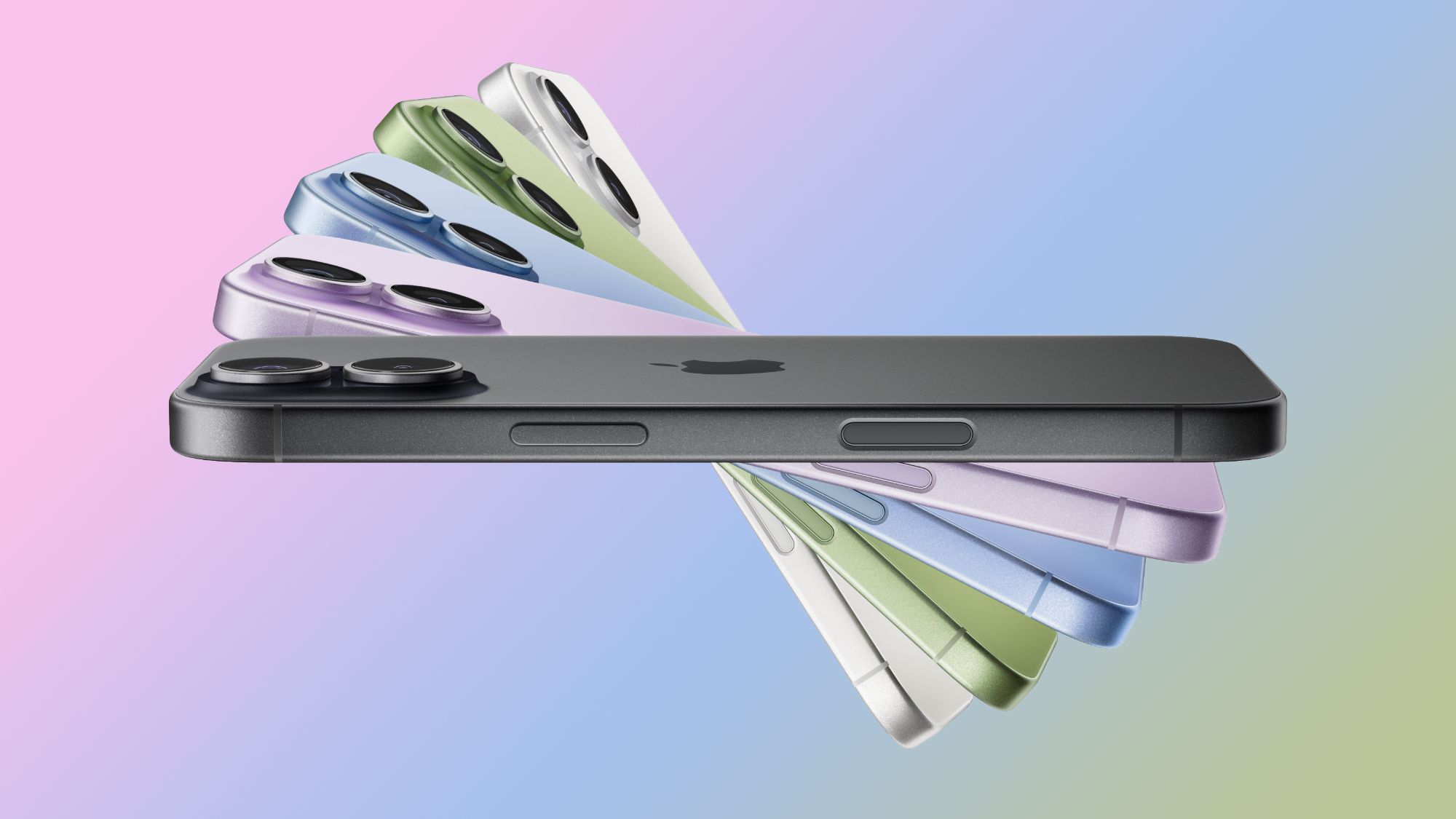
According to Counterpoint Research data reported by MacRumors, the standard iPhone 17 ranked as the world’s best-selling smartphone in the second quarter of 2026. The iPhone 17 Pro Max and iPhone 17 Pro followed in second and third place. This ranking offers a useful signal: businesses should pay attention not only to device specifications, but also to the platforms and user habits shaping the market.
What Happened
Counterpoint Research’s Global Handset Model Sales Tracker placed the iPhone 17 at 6% of global smartphone unit sales during the second quarter of 2026, after it also led the first quarter. Apple and Samsung occupied all ten positions in the ranking, together representing 26% of worldwide smartphone unit sales, according to the MacRumors report citing Counterpoint Research.
The ranking also showed stronger demand in markets outside Apple’s traditional core regions. Counterpoint attributed growth to India, Japan, the Middle East and Africa, while sales in South Korea nearly doubled, as reported by MacRumors. The iPhone 17 Pro and Pro Max benefited from premium demand, trade-in programmes, promotions and financing options. The iPhone 17e reached seventh place after receiving features such as MagSafe and increased storage, while the iPhone 16 remained tenth.
Samsung’s Galaxy S26 Ultra took fourth place and became the strongest-performing Android model in the quarter. At the same time, the overall smartphone market contracted by 11%, which Counterpoint linked to shortages, rising device prices and manufacturers concentrating on more profitable products, according to MacRumors.
The practical lesson for your business is simple: when the market becomes more concentrated, compatibility and customer experience become more important than chasing every available device.
Why This Matters for Malaysian SMEs
Malaysia’s SME landscape includes retail shops, restaurants, clinics, tuition centres, professional services firms, wholesalers, online sellers and mobile teams. Many of these businesses depend on smartphones for daily work. A salesperson may record customer enquiries through WhatsApp, a restaurant may manage delivery orders through several platforms, and a service technician may upload job photos from a customer site. Your phone strategy therefore affects how quickly work gets done.
The iPhone 17’s strong global position suggests that a meaningful portion of customers and employees may use newer Apple devices. You do not need to standardise your entire company around one brand. However, you should test your website, online forms, booking pages, payment flows and customer service channels on current iPhone and Samsung models. Check whether buttons are easy to tap, images load correctly, forms work without errors and authentication messages are delivered promptly.
This is especially relevant for Malaysian businesses using social commerce. Customers may discover you through TikTok, Instagram, Facebook or WhatsApp, then move between a mobile browser and an app before completing an enquiry. A page that works well on a laptop but feels slow or awkward on a phone can quietly reduce conversions. The device ranking is a reminder to review the experience used by real customers, not just the systems viewed by your office team.
There are also operational implications. If your staff use company devices, create a clear policy for updates, screen locks, two-factor authentication, approved apps and data backups. If employees use their own phones, decide which business information may be stored locally and how access should be removed when someone leaves. Device popularity does not remove security risks; it can make widely used platforms more attractive to scammers and attackers.
Key Points for Your Business
| Signal from the report | What you should review |
|---|---|
| iPhone 17 led global unit sales | Test your website, forms and customer journey on current iPhone devices |
| Apple and Samsung filled the top ten | Prioritise these two ecosystems when checking compatibility |
| The smartphone market contracted 11% | Plan device replacement around business needs and support requirements |
| Premium models remained strong | Make your digital service feel reliable, fast and professional on modern devices |
| Samsung Galaxy S26 Ultra led Android sales | Include Android testing instead of assuming customers use Apple devices |
Practical Steps You Can Take This Month
First, identify the three smartphone actions that directly affect your business. These could be submitting a quotation request, placing an order, making a booking or sending a WhatsApp message. Ask two or three people to complete these actions using different iPhone and Samsung devices. Watch where they hesitate. Small problems, such as an unclear button or a form that asks for unnecessary information, can reveal useful improvements.
Second, review your business applications. Confirm that accounting, inventory, customer relationship management, staff scheduling and communication tools support the operating systems used by your team. Check whether staff are sharing passwords, storing customer information in personal note apps or sending files through unsecured channels. Create a short approved-tools list that employees can understand.
Third, prepare mobile-friendly content. Product photos should be clear without taking too long to load. Your address, opening hours and contact buttons should be easy to find. If you serve customers in Malaysia, consider whether Bahasa Malaysia, English or another language is most appropriate for each audience. A modern device does not guarantee a good customer experience; the content and process still need to be designed properly.
The Bigger Picture
The ranking reflects a broader shift in the technology market. When smartphone sales weaken overall, manufacturers tend to focus on products with stronger demand and clearer differentiation. For SME owners, this means fewer devices may dominate customer behaviour, while business software increasingly needs to work across a smaller number of major ecosystems.
It also shows why technology decisions should be connected to business processes. Buying a newer phone is not a digital strategy. The useful question is whether your team can respond faster, protect information better, follow up consistently and serve customers across the channels they already use.
For Malaysian SMEs, the opportunity is to turn device awareness into practical discipline. Keep your customer journey mobile-friendly, support both major platforms, protect business data and automate repetitive follow-ups where appropriate. Whether your customers use an iPhone 17, a Samsung flagship or an older model, they expect your business to be easy to reach and reliable to deal with.
The iPhone 17’s market leadership is worth watching, but your next step should be grounded in your own customers and operations. Review the devices they use, remove friction from your mobile processes and make sure your team’s tools support the work that matters most.
Ready to Streamline Your Operations?
Technology moves fast. Your operations should keep up. AutoRunBiz builds AI systems that run your daily workflows — from WhatsApp order capture to accounting. Book a free 15-min ops audit →