
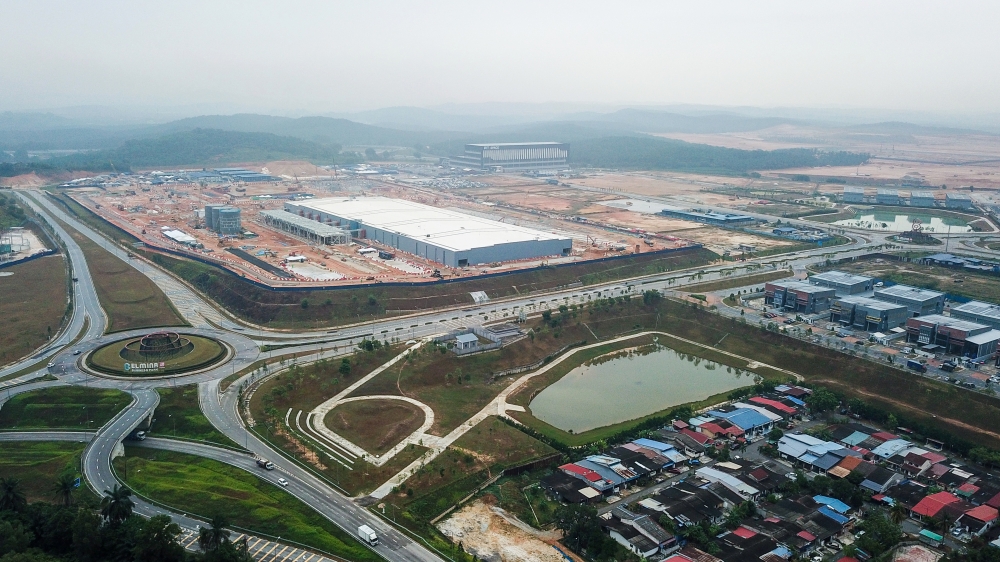
Why Malaysia’s Data Centre Boom Matters to Your Business
You may not own a server room, employ a data engineer or operate in Johor’s technology corridor. Yet the growth of data centres in Malaysia can still affect how you run your business, serve customers and plan for the next few years.
Every online payment, cloud accounting system, e-commerce order, video call and AI-powered application depends on computing infrastructure somewhere. As demand for digital services grows, Malaysia is attracting large investments in data centres and cloud computing. That creates opportunities for SMEs, but it also brings practical questions about electricity, water, skills and infrastructure.
TL;DR: Malaysia’s data centre expansion can give your business better access to cloud tools, digital services and new supply-chain opportunities. You should also prepare for greater competition for technical talent and pay attention to how infrastructure planning affects service reliability.
What This Means
A data centre is a facility that houses computer servers and related equipment used to store, process and transmit information. It provides the physical foundation for cloud computing, websites, software platforms, online transactions and artificial intelligence services.
Instead of buying and maintaining your own servers, you can use cloud services hosted in professional data centres. This means your business can store files, run applications, back up records and process customer orders through an internet connection. You still need suitable software and proper controls, but you do not need to build the underlying computing infrastructure yourself.
Malaysia’s investment activity shows how quickly this sector is expanding. According to the source article, approved investments in Malaysian data-centre and cloud-computing projects reached RM95.8 billion in the first half of 2026, representing close to 44 per cent of total approved investments during that period. Between 2021 and 2023, approved investments in data centres and cloud services totalled RM114.7 billion. Every figure in this paragraph is sourced from the same article.
The expansion is not only about large technology companies. It creates demand for construction, engineering, electrical work, telecommunications, security, facilities management, transport, cleaning, equipment supply and professional services. It also gives SMEs more reasons to review how they use cloud systems in their daily operations.
How This Applies to Malaysian SMEs
First, cloud access can make your operations more flexible. A retailer can use cloud-based stock management to monitor inventory across a shop, warehouse and online store. A service company can allow staff to access customer records, job schedules and documents from different locations. An accounting firm can organise client files and approvals without depending on one office computer. The data centre boom supports the infrastructure behind these services, allowing you to adopt tools without maintaining physical servers yourself.
Second, local suppliers may find new business opportunities. Data centre projects require many supporting services beyond specialised technology. A Malaysian SME involved in electrical installation, air-conditioning maintenance, security systems, fibre cabling, construction materials, transport, landscaping, catering or equipment servicing may be able to serve operators or their contractors. The source article reports that the government is matching data-centre operators with Malaysian suppliers to strengthen local participation in the supply chain. You should therefore keep your company profile, certifications, service records and safety documents ready for procurement discussions.
Third, technical and operational skills will become more valuable. The article states that 2,325 high-value jobs were created between 2021 and 2023 in areas including data science, data engineering, cybersecurity and network engineering. It also describes wider demand for technicians, electricians, construction workers and facilities-management staff. For your SME, this does not mean every employee needs to become a programmer. It does mean you should identify the digital skills your business depends on, such as spreadsheet discipline, cloud software administration, cybersecurity awareness, reporting and process automation.
Fourth, competition for capable workers may increase. If large infrastructure projects need technicians, engineers and operations staff, smaller companies may struggle to recruit people with those skills. You can respond by documenting your work processes, training existing employees and reducing repetitive administration through automation. When routine tasks are organised, your team can spend more time on customer service, quality control and sales follow-up.
Finally, reliability matters more as your business becomes digital. If your orders, customer records, invoicing and communication all depend on online systems, an internet or platform outage can interrupt operations. You should know where your critical data is stored, how it is backed up and what your team should do if a cloud application becomes unavailable.
The practical lesson is simple: you do not need to build a data centre to benefit from one. You need to build a business that uses digital infrastructure carefully and consistently.
Electricity, Water and Infrastructure: Why You Should Care
Data centres operate servers and cooling systems continuously, so they require substantial electricity. The source article reports that actual peak electricity demand from all data centres in Peninsular Malaysia was 849MW in December 2025 and was projected to rise to 4,811MW by 2030. These figures come from the Malay Mail source article.
| Area | Reported figure or direction | Why it matters to your SME |
|---|---|---|
| Approved data-centre and cloud investments, first half of 2026 | RM95.8 billion | Signals expanding demand for suppliers, services and digital capability. Source |
| Share of total approved investments, first half of 2026 | Close to 44 per cent | Shows the sector’s importance in national investment planning. Source |
| High-value jobs created, 2021–2023 | 2,325 | Points to growing demand for specialised digital and engineering skills. Source |
| Peak data-centre electricity demand, Peninsular Malaysia, December 2025 | 849MW | Shows the scale of infrastructure demand behind cloud services. Source |
| Projected peak data-centre electricity demand by 2030 | 4,811MW | Highlights why power planning and service resilience matter. Source |
Water is also important because cooling systems may require significant water resources. The source article explains that government measures include reclaimed water supply and efficiency metrics. For SMEs, the immediate lesson is not to calculate data-centre consumption yourself. It is to recognise that large digital infrastructure depends on coordinated utilities, planning approvals and environmental management. Infrastructure decisions can affect the reliability and availability of the digital services you use.
Practical Takeaways for Your Business
- List your critical systems: Identify which applications handle sales, accounting, payroll, inventory, customer records and communication.
- Check your backup process: Confirm how often important files are backed up and whether you can restore them.
- Review access rights: Remove former employees from business systems and give each staff member only the access required for their role.
- Prepare a simple outage plan: Write down what your team should do if the internet, payment platform or main cloud application is unavailable.
- Train existing staff: Focus on password safety, phishing awareness, file organisation and correct use of business software.
- Explore supplier opportunities: If you provide engineering, maintenance, transport, security, cleaning, catering or technical services, monitor procurement opportunities connected to major infrastructure projects.
- Document your capabilities: Keep your company profile, registration details, references, safety records and relevant certifications updated.
- Automate repetitive administration: Start with tasks such as quotation follow-ups, appointment reminders, invoice status updates and internal approvals.
The Bigger Picture
Malaysia’s data centre growth suggests that digital infrastructure will become a more important part of the business environment. Cloud software, analytics, online transactions and AI services will continue to depend on facilities that most customers never see.
For you, the long-term advantage will come from building good operating habits rather than chasing every new application. Keep your data organised. Standardise your processes. Train your team. Choose systems that can grow with your business. Protect access to important information and make sure you can continue serving customers during disruptions.
The sector’s expansion may also encourage more Malaysian companies to join higher-value supply chains. A small electrical contractor, maintenance company, logistics provider or professional services firm can become more competitive by improving documentation, service consistency and digital reporting.
Data centres may be large physical facilities, but their impact reaches small businesses. They support the cloud tools you use, create demand for local suppliers and increase the importance of technical skills and infrastructure planning. If you prepare now, you can benefit from better digital access while keeping your operations dependable.
Ready to Streamline Your Operations?
Your business should run itself. AutoRunBiz deploys AI agents to automate your daily operations — WhatsApp orders, invoicing, customer follow-ups, and accounting. Book a free 15-min ops audit to see where automation fits your business →