
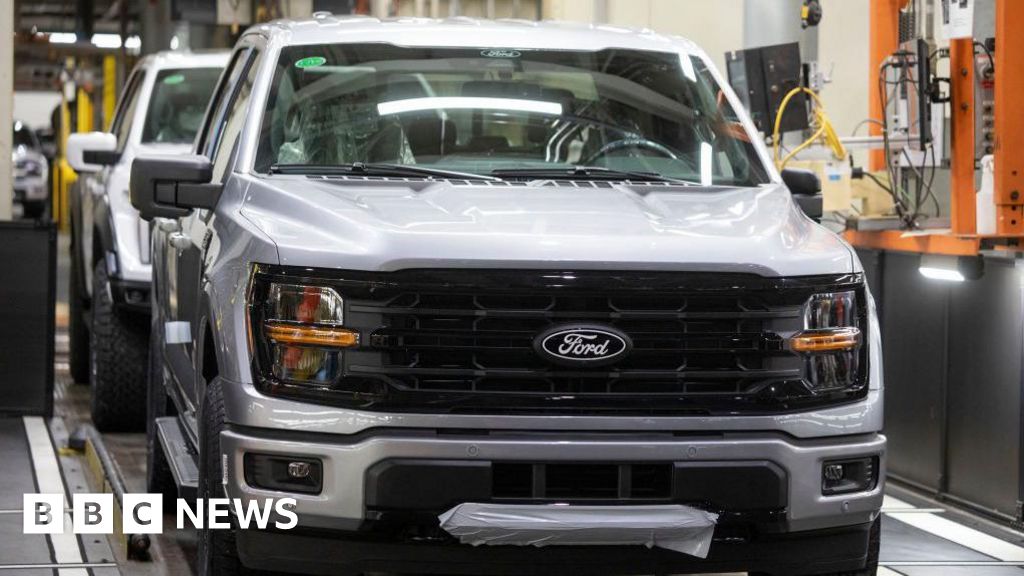
TL;DR: Ford Motor Company quietly rehired more than 300 veteran engineers after its AI-powered quality control systems failed to match the skill of experienced technicians. The US automaker admitted it “didn’t pay as much attention as we should have” to human expertise. For Malaysian SME owners, this is the most important AI story of the year — not because AI failed, but because it reveals exactly how AI should and shouldn’t be deployed in real businesses.
What Happened at Ford
Ford had rolled out 900 AI-powered cameras across its plants to detect quality issues. The company’s leadership was publicly bullish — COO Kumar Galhotra told investors they were “deploying AI across the entire industrial system,” and Ford CEO Jim Farley famously predicted “AI will leave a lot of white collar people behind.”
But according to Bloomberg and BBC reports, the results told a different story. Ford’s AI quality checks failed to match the skill of veteran technicians — the “gray beard” engineers who had decades of hands-on experience. The company has since brought back more than 300 of these experienced engineers to train the AI systems and mentor younger workers.
Ford VP Charles Poon admitted: “Mistakenly, we thought that by just introducing artificial intelligence and ingesting the design requirements, that would produce a high-quality product.”
Why This Story Matters for Malaysian SMEs
Most AI news you see is about success stories — companies that deployed AI and saved millions. Ford’s experience is more valuable because it shows what happens when AI is implemented wrong. And here’s the thing: Ford’s mistakes are exactly the ones Malaysian SMEs are most likely to make.
The Trap: Believing AI can simply replace human expertise. A Ford executive said the company thought AI alone would “produce a high-quality product” without the context that only experienced humans provide. Many SME owners make the same assumption — buying a chatbot and expecting it to handle complex customer situations without proper training data or human oversight.
The Fix: Ford’s solution was elegant: bring back the experts to train the AI. The engineers aren’t being replaced — they’re teaching the systems. This is the model that works: AI handles the repetitive, predictable tasks while experienced humans train, supervise, and improve the system.
Three Lessons for Malaysian Business Owners
1. AI needs high-quality training data — and that data comes from your best people
Ford’s AI failed because the systems didn’t have the deep contextual knowledge that comes from decades of experience. The same applies to any AI tool you deploy: a WhatsApp chatbot trained on your standard operating procedures will miss the nuance that your best salesperson brings to every conversation. The solution isn’t to fire your best people — it’s to capture their knowledge and use it to train your AI.
2. Start small, validate, then scale — not the other way around
Ford deployed 900 AI cameras across its entire manufacturing system before validating they worked. That’s an expensive mistake. The smarter approach: automate one workflow — order taking, lead follow-up, appointment booking — validate it with your team, refine it, and only then expand. Most Malaysian SMEs will see ROI from automating a single repetitive task before moving to the next.
3. The goal isn’t replacement — it’s augmentation
Ford’s most honest admission: they didn’t “pay as much attention as we should have to the experience of our most knowledgeable engineers.” The companies that win with AI aren’t the ones that replace humans. They’re the ones that use AI to make their best people even better. A salesperson who handles 50 leads a day can handle 150 with AI-powered lead qualification and follow-up — and close more deals doing it.
The Bigger Picture: AI Hype vs Reality
Ford’s experience is playing out across industries. A 2025 McKinsey report found that while 72% of organizations had adopted AI in at least one function, only 23% reported meaningful revenue impact. The gap between buying AI tools and getting results is real — and it’s almost always about implementation, not technology.
For Malaysian SMEs, the takeaway is clear: AI is not a magic button. It’s a tool that works brilliantly when:
- It’s trained on quality data from experienced people
- It’s deployed for specific, well-understood tasks
- Humans remain in the loop to supervise and improve
Source: “Ford rehires human engineers after AI fails to match quality checks” — Liv McMahon, BBC News (June 29, 2026). Additional reporting by Bloomberg.
AutoRunBiz helps Malaysian businesses deploy AI automation the right way — starting with one workflow, training it properly, and scaling from there. Book a demo.