
When Borders Tighten, Your Business Feels It
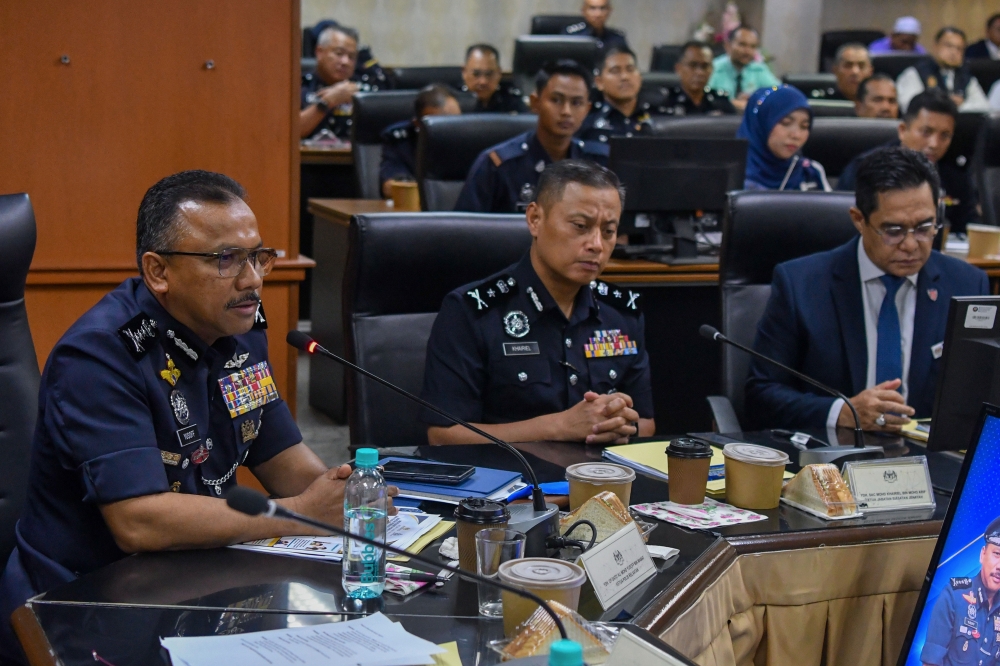
If your business moves goods, imports materials, or serves customers across the northern border, the recent back-and-forth between Kelantan police and Thai authorities is more relevant than you might think. Kelantan police chief Datuk Mohd Yusoff Mamat has publicly asked Thai authorities to produce evidence if they believe suspects from a fatal shooting that killed five Thai security personnel have crossed into Malaysia (source). So far, no confirmation exists. But the bigger story — a planned 90km security fence by Thailand and Malaysia’s own border wall construction — will outlast any single incident.
You don’t need to run a logistics company for this to matter. Every business that depends on stable regional movement, whether you buy stock from Thailand, send goods through Peninsular Malaysia’s northern corridors, or employ drivers who cross the border regularly, is tied to how smoothly these checkpoints operate. When borders tighten, paperwork grows, wait times change, and the margin for error shrinks.
TL;DR
Thailand plans a roughly 90km security fence along the border, and Malaysia has approved its own border wall construction targeted for completion by 2029 (source). For SMEs, this points to stricter checks, longer crossing times, and a stronger need for automated documentation and shipment tracking. Start fixing your processes now, not when construction starts affecting your deliveries.
What This Means
In plain language: border security is being physically hardened on both sides of the Malaysia-Thailand boundary. The immediate trigger is the shooting incident that killed five Thai security personnel, after which speculation emerged that suspects fled to Malaysia. Kelantan police say they have received no intelligence confirming this, and their Special Branch has detected no such movement (source).
But remove the crime angle and you find a structural shift. Thailand wants to build a security fence approximately 90km long. Malaysia has approved its own border walls and security fences, with implementation underway and completion expected by 2029 (source). The Kelantan police chief himself welcomed the Thai plan, noting that enhanced control benefits both countries.
For a small business owner, “border hardening” is not an abstract policy phrase. It shows up as:
- More document checks at crossings
- Longer queues for cargo vehicles
- Stricter scrutiny of shipment origins and destinations
- Higher chances of delay when paperwork is incomplete
The numbers behind the news
| Item | Detail | Status |
|---|---|---|
| Thai border security fence | Approximately 90km | Proposed by Thai government; welcomed by Kelantan police |
| Malaysia border walls & security fences | RM3.04 billion allocation | Implementation in progress; completion targeted by 2029 |
| Intelligence on fleeing suspects | No confirmed evidence | Kelantan Special Branch monitoring; no movement detected |
Data from: Malay Mail report, 2 August 2026
How This Applies to Malaysian SMEs
1. Your cross-border documentation needs an upgrade. If you import from Thailand, export through Padang Besar or Bukit Kayu Hitam, or depend on northern wholesale channels, tightening border controls should push you to digitize. SMEs that still manage customs paperwork manually will be the first to feel the pinch when checks intensify. Automation tools can generate declarations, keep digital copies, and flag incomplete paperwork before your goods even reach the checkpoint.
2. Your logistics planning has a new variable: construction. Fences do not build themselves. Construction on both sides means lane closures, temporary checkpoints, and schedule changes along border routes. If you run a just-in-time operation, a single day of delay ripples into stock-outs and unhappy customers. Building buffer time into your schedules and automating shipment tracking — so you always know where a truck is — lets you warn customers early instead of discovering delays when your inventory runs dry.
3. Your compliance record is now your calling card. When authorities are on high alert, they scrutinize everyone moving through the border, including legitimate traders. SMEs that can produce clean, complete records of every shipment will move through faster. Those with scattered paperwork will get pulled aside. A complete digital audit trail is no longer a luxury for big corporations; even a two-person operation can maintain one with modern automation tools — without hiring a compliance officer.
“Every time there is a shooting incident or bomb explosion in southern Thailand, there are often allegations that the suspects flee to Malaysia. However, until now, no evidence has been presented to us to support that claim.” — Datuk Mohd Yusoff Mamat, Kelantan police chief (source)
The takeaway: allegations and counter-allegations may dominate the news, but the infrastructure being built is permanent. Your business will deal with the consequences long after the headlines fade.
Practical Takeaways for Your SME
- Audit your cross-border paperwork today. List every form, permit, and declaration your shipments need. If any step still happens on paper, find an automated alternative.
- Add buffer time to logistics schedules. During the construction period, expect the unexpected at crossings. A 24-hour buffer on time-sensitive deliveries is a reasonable start.
- Digitize every shipment record. A complete digital trail speeds up checks and protects you from suspicion when authorities are on high alert.
- Monitor official announcements. The 90km fence and Malaysian walls will roll out in phases. Knowing the timeline helps you plan routes and inventory.
- Ask your logistics partners how they handle border delays. Your reputation depends on their processes. If they cannot show you a clear contingency plan, that is a red flag.
The Bigger Picture
Border hardening is a long-term regional trend, not a knee-jerk reaction to one incident. Both governments are committing to physical infrastructure with a completion target of 2029 (source). That means years of transition for every business touching these routes.
The companies that come out ahead will treat this as a process problem, not a news event. Automating the administrative side of cross-border trade — declarations, records, tracking, customer notifications — turns a potential liability into a built-in advantage. When your competitors are stuck in paperwork queues, your automated system keeps your goods moving.
And this extends beyond the northern border. Malaysian businesses across all sectors face rising compliance expectations in every trade channel. Building a digital-first documentation habit now positions your SME for a future where speed and thoroughness go hand in hand. The fences are going up. The question is whether your business processes are ready to move through them smoothly.
Ready to Streamline Your Operations?
Your business should run itself. AutoRunBiz deploys AI agents to automate your daily operations — WhatsApp orders, invoicing, customer follow-ups, and accounting. Book a free 15-min ops audit to see where automation fits your business →