
Apple’s AirPods Could Turn Everyday Work Into Visual Intelligence
A new Apple hardware leak suggests that future AirPods may include built-in cameras and support visual intelligence features. For Malaysian SME owners, the important question is not whether you will buy the product immediately. It is how wearable devices that understand their surroundings could change customer service, field work, training, sales and workplace privacy.
The report matters because AirPods are already familiar to many people. A camera added to a device worn during calls, site visits or daily operations could make visual assistance feel more natural than opening a phone. If the technology becomes practical, your employees may be able to ask for help while keeping their hands free, recognising objects, reading signs or documenting work. That creates opportunities, but it also introduces responsibilities around consent, data protection and company policy.
What Happened
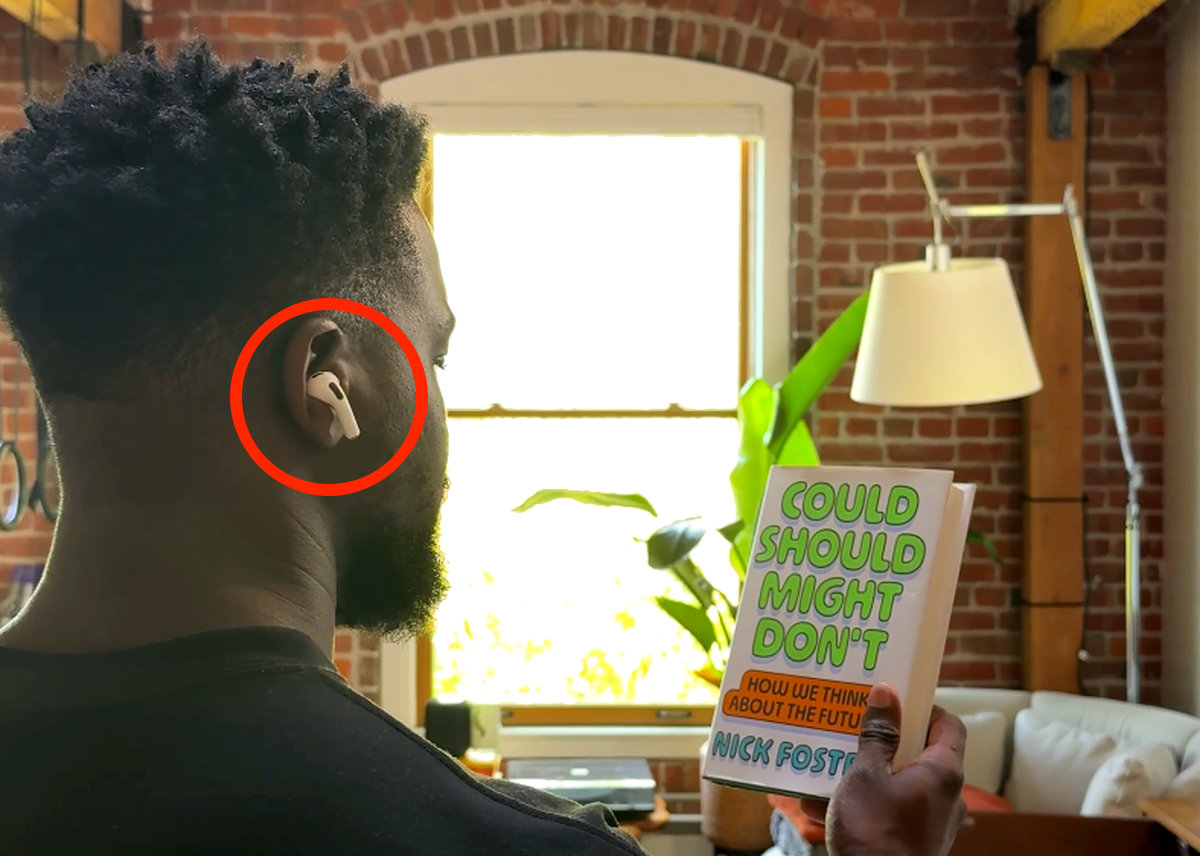
According to SoyaCincau, Apple is reportedly working on upcoming AirPods with built-in cameras. The cameras are expected to support visual intelligence, allowing the device to interpret elements in the wearer’s surroundings rather than functioning only as a conventional audio accessory. The report was published on 18 August 2026 and is based on information described as a leak, so the final product, specifications and release timing may change. Source: SoyaCincau
The idea is part of a wider technology direction: computing is moving from screens into devices that sit on your body. A camera-equipped earbud could potentially work with a phone or another Apple device to provide context about what the wearer sees. Possible applications include identifying objects, assisting with navigation, translating visible text or helping a worker follow instructions. These functions should be treated as potential capabilities until Apple officially confirms them. Source: SoyaCincau
There is currently no confirmed product specification, official launch date or final feature list in the source report. That distinction is important for business planning. You should not make operational decisions based on a leaked product alone. Instead, use the story as a signal to review how your business handles mobile work, visual information, employee devices and customer privacy.
The practical lesson is bigger than one Apple product: when cameras, microphones and AI move closer to the worker, your business processes must become clearer about consent, access and accountability.
Why This Matters for Malaysian SMEs
Malaysian SMEs often operate across shops, warehouses, offices, workshops, restaurants, construction sites and customer locations. Many employees already rely on WhatsApp, phone cameras and voice messages to ask questions or share updates. A wearable visual assistant could eventually shorten the time between seeing a problem and receiving guidance.
Consider a technician servicing an air-conditioning unit in Shah Alam. Instead of stopping to type a long message, the technician might use a wearable device to capture a component and ask for the next troubleshooting step. A supervisor could provide a digital checklist, while the business keeps a record of the job through an approved system. The same concept could help a maintenance team identify tools, read equipment labels or compare completed work against a standard procedure.
Retail and hospitality businesses could also explore visual workflows. A staff member could check shelf presentation, identify an unfamiliar product label or receive help translating instructions from an overseas supplier. In a café or restaurant, a manager might use visual guidance for stock rotation, cleaning routines or equipment checks. These examples are not confirmed features of Apple’s reported product; they show how camera-enabled wearables could fit into existing SME processes if the technology performs reliably.
For Malaysian businesses, language and location are additional considerations. Workplaces may involve Bahasa Malaysia, English, Mandarin, Tamil and regional languages. Customer interactions may happen in busy environments, from pasar malam stalls to shopping malls and industrial areas. Any visual assistant you adopt should be tested in real lighting, noise and connectivity conditions rather than only in a product demonstration.
Potential SME Use Cases
| Business area | Possible application | What you should prepare |
|---|---|---|
| Field service | Visual troubleshooting and hands-free checklists | Approved procedures and escalation rules |
| Retail | Product identification and shelf checks | Accurate product data and staff training |
| Hospitality | Cleaning, stock and equipment inspections | Clear boundaries around customer recording |
| Training | Real-time guidance for new employees | Short, updated operating instructions |
| Sales | Capturing site details and improving product demonstrations | Customer consent and secure storage |
Privacy and Workplace Rules Cannot Be an Afterthought
A camera worn near the face can capture people, documents, product designs, computer screens and private conversations without making everyone nearby aware. In Malaysia, you should consider your responsibilities under the Personal Data Protection Act 2010 when personal data is collected, used, stored or disclosed in commercial activities. For current guidance, review the official Personal Data Protection Department resources. Source: Personal Data Protection Department Malaysia
Before allowing any camera-enabled wearable in your workplace, create a simple written policy. State where it may be used, when recording is prohibited, who can access captured material, how long information is retained and what happens when an employee leaves. Sensitive locations such as payment counters, private consultation rooms, staff areas and customer waiting spaces may require stricter controls or a complete ban.
You should also separate assistance from surveillance. If employees believe the device is being used to monitor them continuously, adoption will suffer and workplace trust may be damaged. Explain the business purpose, provide a way to report concerns and avoid collecting information that you do not need. A good policy should protect customers and employees while still allowing useful experimentation.
The Bigger Picture
Camera-enabled AirPods point towards a more distributed form of business technology. Instead of expecting every worker to sit in front of a desktop system, companies may give employees contextual tools at the moment work happens. This could be useful for businesses with mobile teams, but only if the underlying information is organised.
Wearable AI cannot fix unclear processes. If your stock records are outdated, your service instructions are incomplete or your customer data is scattered across personal phones, a new device may simply create more confusion. The best preparation is to document repeatable tasks, label important equipment, standardise reporting and decide which information employees are allowed to share through digital tools.
There is also an accuracy question. A visual assistant may misread a label, misunderstand a scene or provide an unsuitable recommendation. For safety-related work, quality control and regulated activities, a human must remain responsible for the final decision. Use visual AI as an assistant, not an automatic authority.
What You Can Do Now
- List the tasks where employees repeatedly stop work to take photos, type questions or search for instructions.
- Create short digital checklists for service, stock, cleaning, delivery and inspection routines.
- Review which workplace areas contain personal, confidential or commercially sensitive information.
- Write a device policy covering cameras, microphones, recording, access and data deletion.
- Test future tools with a small group and measure accuracy, staff acceptance and process improvement.
- Require human approval for safety, compliance, customer complaints and high-impact decisions.
The reported Apple AirPods camera feature is still a leak, not a confirmed business solution. Nevertheless, it gives you a useful prompt: your next productivity improvement may not come from another dashboard. It may come from helping employees access the right information while their hands and attention are focused on the job. Prepare your processes, privacy rules and data foundations now, so you can evaluate wearable technology sensibly when it becomes available.
Ready to Streamline Your Operations?
Technology moves fast. Your operations should keep up. AutoRunBiz builds AI systems that run your daily workflows — from WhatsApp order capture to accounting. Book a free 15-min ops audit →