
The Hidden Dependency Behind Your AI Tools
You’ve probably used AI this week. Maybe you drafted a customer reply with ChatGPT, generated product images for your online store, or used an AI accounting tool to reconcile your invoices. It felt effortless. But behind that simple request is a physical reality most business owners never think about: somewhere, a massive data center is consuming enormous amounts of electricity just to power the model that answered you.
That’s why the news about Fermi — the AI nuclear power company that finally hired a new CEO after firing its co-founder three months ago — actually matters to you. It’s not a Silicon Valley soap opera. It’s a signal about the infrastructure that your business increasingly depends on for daily operations.
When a company like Fermi stumbles, when its leadership turns over, when its timelines slip, the ripple effects eventually reach your dashboard. This is the story of how the tools you rely on are powered, and why you should care about who’s steering that ship.
TL;DR
AI tools run on data centers that consume massive amounts of electricity. Fermi builds nuclear-powered AI campuses in the U.S., and just appointed Lee McIntire as CEO after a leadership shakeup. For Malaysian SMEs, this matters because your AI tools depend on this infrastructure — and because it highlights how unstable suppliers can disrupt your operations.
What This Means: AI Isn’t Just Software Anymore
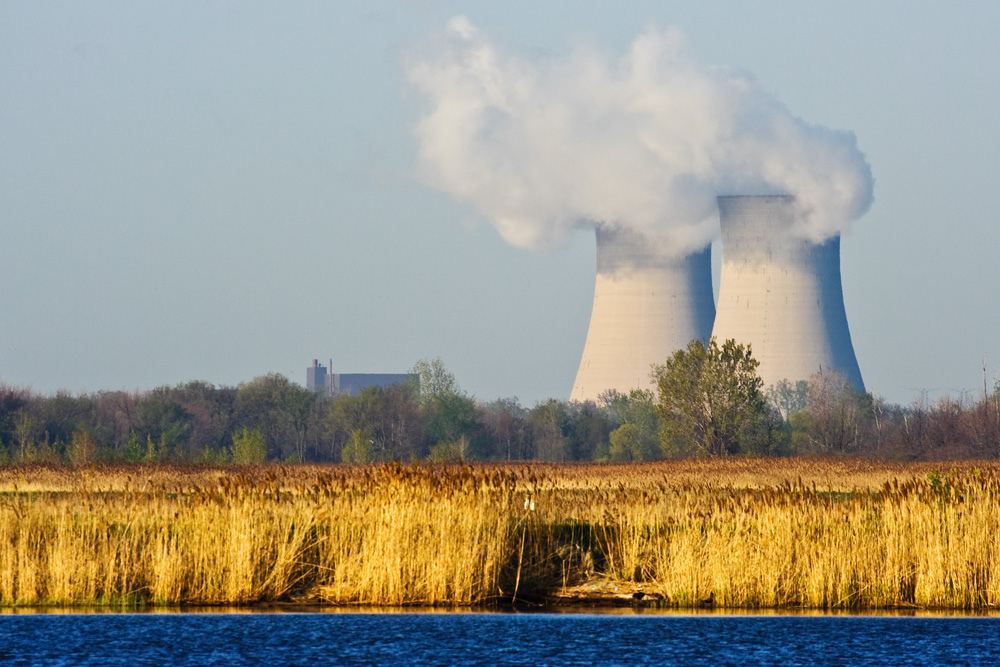
Fermi is developing a project called Project Matador in Amarillo, Texas — an AI campus that will eventually use nuclear reactors to power data centers. The company made headlines this week for two reasons: it signed its first binding customer lease with a company called TensorWave, and it appointed Lee McIntire, a former CEO of CH2M Hill and TerraPower (the nuclear startup founded by Bill Gates), as its new chief executive according to TechCrunch.
Why nuclear? Because AI data centers need staggering amounts of electricity. Not next year, not in five years — right now. The previous CEO and CFO were pushed out in April, described internally as a “Fermi 2.0” reset. The company’s stock jumped nearly 23% since Monday on the news of the lease and the new leadership as reported by TechCrunch.
“Fermi’s next chapter is a construction and power delivery story,” said chairman Marius Haas in a statement. He described the task ahead as “building on schedule, on budget, and safely” per TechCrunch. In plain language: this isn’t a startup story anymore. It’s about execution. Delivering a physical campus that generates power, on time, without disaster.
Here’s what’s relevant to you: every AI tool you use — every chatbot, every automation, every intelligent report — runs on someone else’s servers, consuming someone else’s electricity. When that chain wobbles, your productivity tools get slower, more expensive for providers, or less reliable. You don’t see it, but you feel it.
How This Applies to Malaysian SMEs
Malaysia is quietly becoming a regional data center hub. Johor, in particular, has attracted significant investment from global tech companies building cloud and AI infrastructure in recent years. That means the conversation about AI power isn’t abstract — it’s happening in your neighborhood. Land, water, and electricity in data center corridors are being consumed at a pace that local grids were never designed for.
For you as a business owner, this creates two practical concerns. First, the availability of AI services. If data center construction is delayed — whether due to power constraints, leadership churn like what hit Fermi, or regulatory slowdowns — the supply of AI capacity tightens. You may not lose access, but you may face slower models, lower quality free tiers, or more aggressive upsells as providers ration premium capacity.
Second — and this is the one most SME owners miss — supplier stability matters in every part of your business. Fermi’s leadership shakeup is a case study in what happens when a critical partner changes direction. Imagine your own software vendor, your logistics partner, or your cloud provider suddenly replaces its entire executive team and announces a “2.0 reset.” Would you blindly trust that nothing changes for you? Probably not. You’d review your backups, your contracts, your exit paths.
The same logic applies to the AI tools you use. Don’t assume that because a service is popular, it’s stable. The companies building AI infrastructure are young, volatile, and navigating enormous technical and regulatory complexity. That’s not a reason to stop using AI — it’s a reason to build resilience into how you use it.
“The companies building AI infrastructure are young, volatile, and navigating enormous complexity. Don’t assume that because a service is popular, it’s stable.”
Consider your own workflow. If you use an AI customer service chatbot, what happens if the provider’s infrastructure gets overloaded during a peak shopping season? If your accounting automation runs in the cloud, what’s your manual fallback when the vendor has an outage? These aren’t hypothetical questions. They’re the operational realities that Fermi’s CEO change should remind you of.
There’s also a broader point. Malaysia’s digital economy strategy depends on attracting and retaining data center investment. When global AI infrastructure companies stumble, it affects investor confidence everywhere — including in Southeast Asia. You don’t need to follow these stories closely, but you should recognize that the health of the global AI supply chain directly influences the reliability and pricing of the digital services your business consumes.
Practical Takeaways
- Audit your AI dependencies. List every tool your business uses that runs on external servers — chatbots, CRM automation, document generators, analytics platforms.
- Identify your single points of failure. Which of those tools, if down for a day, would halt your revenue? That’s your critical list.
- Build manual fallbacks. For critical processes, document a “paper and phone” version. You may never need it, but knowing you have it changes your risk profile.
- Diversify where it counts. For essential functions, have a secondary provider. Most SMEs put all their eggs in one basket because it’s convenient — until it’s not.
- Watch supplier leadership news lightly. You don’t need to read every tech article, but when a vendor you depend on changes CEOs, pivots strategy, or resets priorities, take it as a prompt to review your own contingency plans.
- Stay informed about Malaysian data center developments. Regional new of power constraints or delays is a leading indicator for the cost and reliability of your digital tools.
The Bigger Picture
What you’re watching with Fermi is the maturation of an industry. The first wave of AI was about demos and promises. The second wave is about infrastructure — actually building the physical capacity to power these tools at global scale. It’s less glamorous, but it’s where the real bottlenecks are.
For Malaysia, this period is both an opportunity and a cautionary tale. The opportunity is clear: positioning as a data center hub means more jobs, more investment, and better digital infrastructure for local businesses. The cautionary note is that infrastructure projects are hard, slow, and subject to the same leadership and execution risks as any other venture. Governments and corporations can announce grand plans — Fermi did too — but delivery is what matters.
| Signal | What It Tells You | Your Action |
|---|---|---|
| Leadership changes at infrastructure providers | Strategy may shift, priorities may change | Review your vendor dependencies |
| Data center project delays or resets | AI capacity may tighten | Diversify critical AI tools |
| Rising regional data center investment | More capacity coming long-term | Plan for AI adoption growth |
| Power constraints in data center hubs | Potential reliability issues | Document operational fallbacks |
As a Malaysian SME owner, you don’t need to become an energy policy expert. But you do need to recognize that the digital tools you depend on are built on physical infrastructure — and that infrastructure is being constructed in real time, with all the messiness that entails. Fermi’s story is one chapter in that larger narrative. The lesson for you is simple: build your business on services, but never assume they’re invincible.
The businesses that thrive in the AI era won’t be the ones with the flashiest tools. They’ll be the ones that understand what their tools depend on, and have a plan for when that dependency wobbles.
Ready to Streamline Your Operations?
Your business should run itself. AutoRunBiz deploys AI agents to automate your daily operations — WhatsApp orders, invoicing, customer follow-ups, and accounting. Book a free 15-min ops audit to see where automation fits your business →