
Why This Matters to Your Business
As a Malaysian SME owner, you probably do not have time to follow every public-sector announcement, visit every institution, or study how national decisions are made. Yet the policies discussed in Parliament can affect your business operations, staffing, digital systems, documentation, and customer responsibilities.
That is why Parliament Malaysia Open Day 2026 may be more useful than it first appears. It is not simply a public visit or a family outing. It gives you a practical chance to understand how Malaysia’s legislative institution works, what public agencies do, and where to look when you need reliable information about rules affecting your business.
If you run a shop, professional service firm, logistics operation, food business, workshop, online store, or small manufacturing company, better knowledge of public processes can help you plan with less guesswork. You may not leave with every answer, but you can leave knowing where answers come from.
TL;DR
Parliament Malaysia Open Day 2026 is an opportunity to understand the institution behind laws and public policy in a more direct, accessible setting.
For SME owners, the practical value is learning how to verify information, follow policy developments, and connect business decisions to Malaysia’s public institutions.
What This Means
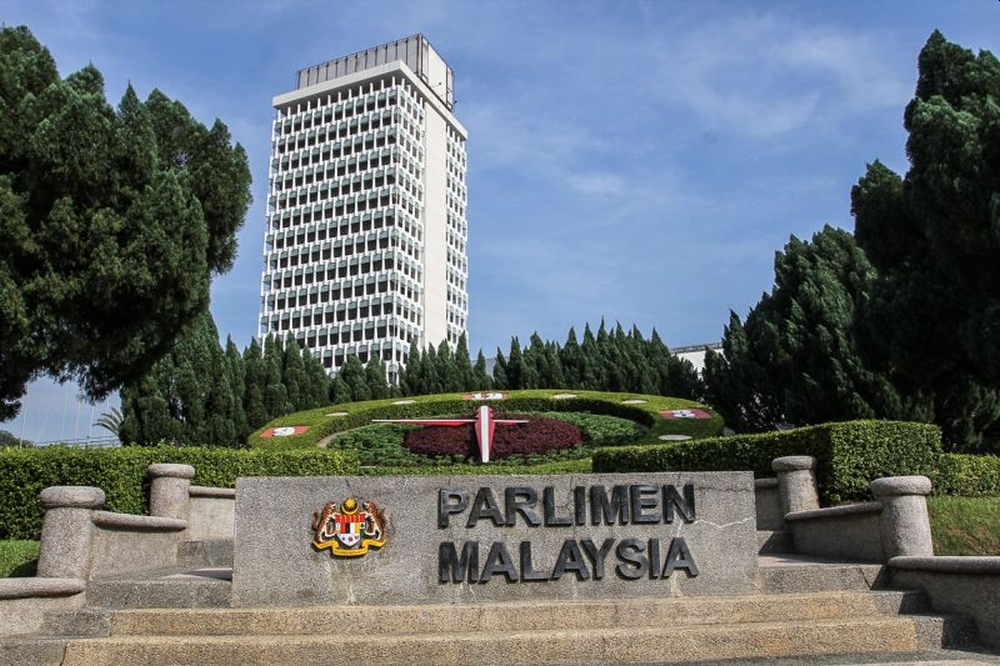
Parliament is Malaysia’s federal legislative institution. In simple terms, it is where elected representatives debate proposed laws, examine government administration, and discuss national issues. Parliament consists of the Dewan Rakyat and Dewan Negara, with its proceedings, members, committees, and facilities supporting that work.
An open day gives members of the public a closer look at parts of this institution that are normally less familiar. According to the source article, Parliament Malaysia Open Day 2026 is designed as a public-facing event with information and access intended to help visitors understand Parliament more clearly. You should check the organiser’s latest instructions before attending because schedules, entry arrangements, permitted areas, and programme details may change. Read the event guide from SoyaCincau.
The important point is not just the visit itself. The broader lesson is that public policy is not something distant from your daily business. Rules on employment, taxation, data handling, consumer protection, safety, licensing, imports, and digital services can all influence how you operate.
Useful business decisions begin with reliable information, not forwarded messages or assumptions.
How This Applies to Malaysian SMEs
First, it can improve how you monitor regulatory changes. Many owners hear about new requirements through WhatsApp groups, social media posts, suppliers, or industry conversations. These channels may alert you to an issue, but they are not always complete or accurate. A better habit is to treat informal messages as prompts for verification. After hearing about a possible change, identify the relevant ministry, agency, official notice, parliamentary discussion, or published guideline. This reduces the chance of changing your workflow based on an incomplete summary.
Second, it can help you explain public decisions to your team. Your employees may ask why you are introducing new approval steps, record-keeping procedures, customer notices, or safety checks. If you understand how laws and policies move through public institutions, you can explain the reason more clearly. You do not need to speak like a lawyer or policymaker. You simply need to show your team which requirement applies, what action is needed, who owns the task, and when it must be reviewed.
Third, it encourages better documentation. A small business often keeps information across notebooks, spreadsheets, email, chat applications, and paper files. When a public requirement changes, scattered records make it difficult to identify what needs updating. Use a simple central register for licences, recurring submissions, internal policies, customer notices, staff acknowledgements, and review dates. This is particularly useful if you manage several branches, rotate staff, or rely on one person who knows “how everything works.”
Fourth, it gives you a broader view of business risk. Parliamentary discussions often cover concerns that eventually affect operating conditions, such as digital trust, worker welfare, public safety, environmental practices, consumer rights, and government service delivery. You do not need to predict every policy outcome. Instead, ask how your business would respond if expectations in one of these areas became stricter. For example, could you retrieve customer records quickly? Could you show when staff training took place? Could you identify which supplier handled a particular batch? These questions turn general awareness into practical preparation.
Finally, it can help you become a more informed business community member. SMEs are not only affected by policy; they also experience its practical results. When an industry association, chamber, or consultation process asks for feedback, you can contribute more usefully if you understand the issue and can describe its effect on your operations. A clear example from your business is more helpful than a general complaint.
A Simple Information Workflow for Your Business
| Step | What You Do | Business Result |
|---|---|---|
| 1. Notice | Record a policy, announcement, or requirement that may affect you. | You avoid relying on memory. |
| 2. Verify | Check the official agency, published guidance, or primary announcement. | You reduce misinformation. |
| 3. Assess | List the process, people, records, and customers affected. | You see the real operational impact. |
| 4. Assign | Give one person responsibility for the next action. | Ownership becomes clear. |
| 5. Review | Set a date to confirm whether guidance or implementation details changed. | Your response stays current. |
This five-step approach does not require a technical system. You can begin with a shared spreadsheet or a controlled document. If your business already uses an automation platform, you can add reminders, approval flows, document links, and task assignments so important updates do not disappear in chat messages.
Practical Takeaways
- Before attending Parliament Malaysia Open Day 2026, check the latest official event instructions and the guide published by SoyaCincau.
- Prepare a short list of business questions about laws, public agencies, licences, digital administration, or industry concerns.
- Use the visit to understand which institutions are responsible for issues that affect your business.
- Do not treat social media summaries as final instructions; verify important information through the relevant official source.
- Create a central register for licences, recurring obligations, policy updates, and review dates.
- Assign responsibility for checking updates instead of assuming the owner will remember everything.
- Keep copies of official guidance and record the date on which you reviewed it.
- Explain operational changes to staff in plain language, with clear owners and deadlines.
- Ask your accountant, company secretary, HR adviser, industry association, or legal adviser when an issue requires professional interpretation.
- Review your information process at least once each quarter so it remains useful as your business grows.
Questions to Bring With You
If you attend the open day, use the opportunity intentionally. You could ask where the public can find parliamentary records, how committees examine issues, which public channels publish official information, and how citizens or business groups can follow matters relevant to their industries. You may also want to understand the difference between a public discussion, a proposed law, an enacted law, and an agency guideline. These distinctions matter because each may require a different business response.
Do not expect event staff to provide tailored legal advice for your company. Instead, focus on finding the right direction and learning the correct vocabulary. Knowing which agency, document, committee, or public channel to follow can save substantial time later.
The Bigger Picture
For Malaysian SMEs, institutional awareness is becoming part of practical business management. Business owners are expected to respond more carefully to compliance requirements, customer expectations, workforce matters, and digital processes. That does not mean you must become a policy expert. It means you need a repeatable way to separate verified information from speculation and convert relevant changes into clear tasks.
Parliament Malaysia Open Day 2026 offers a useful reminder that public institutions are not completely remote from everyday commerce. The laws and policies discussed at national level eventually shape the environment in which you hire, sell, collect information, serve customers, and grow.
The best outcome from attending is not simply learning interesting facts about Parliament. It is returning to your business with better questions, more reliable sources, and a clearer process for responding when the next important announcement arrives. That small improvement can help you make decisions calmly, keep your team aligned, and avoid unnecessary confusion.
Ready to Streamline Your Operations?
Your business should run itself. AutoRunBiz deploys AI agents to automate your daily operations — WhatsApp orders, invoicing, customer follow-ups, and accounting. Book a free 15-min ops audit to see where automation fits your business →