
When Your Workday Depends on a Phone That Stays On
For many Malaysian SME owners, your smartphone is not just a communication tool. It may be your sales inbox, customer service counter, delivery coordinator, payment reference, camera, calendar, and connection to your team. When the battery runs low during a busy day, small delays can quickly become missed messages, late updates, and frustrated customers.
This matters even more when you work across different locations. You may begin the morning at your shop, visit a supplier in another area, attend a site inspection, and finish the day replying to customers from home. A phone that can last longer—and help power another device—can make your daily operations less dependent on finding a wall socket.
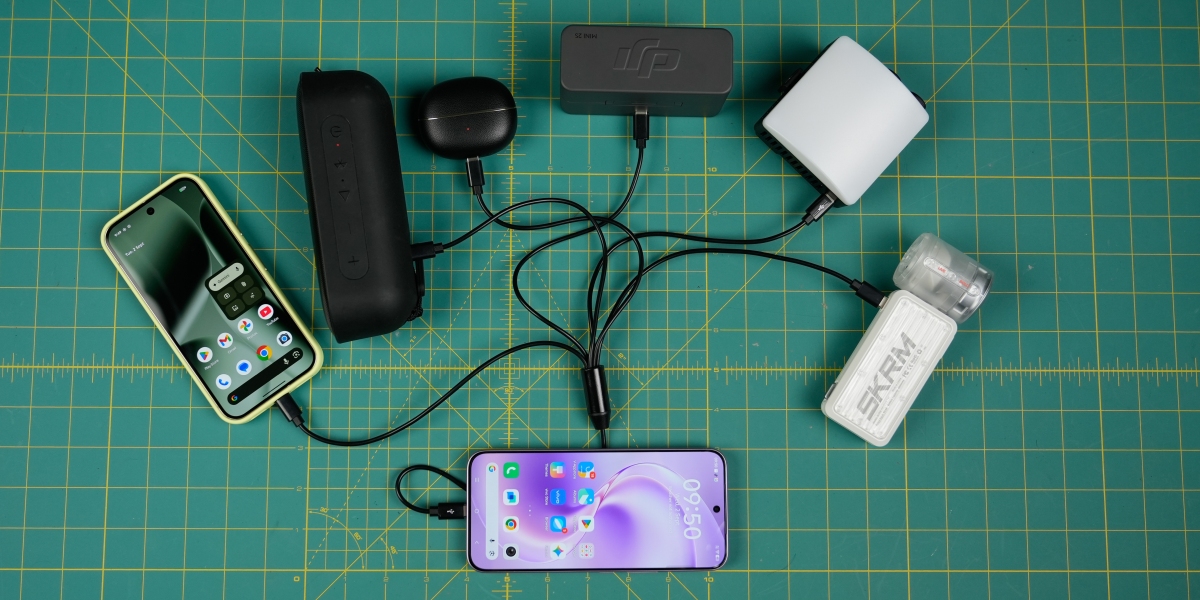
A recent report describes the vivo V80 Lite 5G as featuring a 10,000mAh BlueVolt battery and the ability to power other devices. You can read the original report from SoyaCincau. The useful business question is not simply whether the phone has a large battery. It is how this capability could fit into the way you already work.
TL;DR
A phone with a 10,000mAh battery could help you stay connected during long workdays and mobile operations. Its ability to power other devices may also provide a practical backup for accessories such as wireless microphones, earbuds, or another phone.
Before choosing a device, check charging speed, output support, durability, network coverage, software features, and whether it fits your team’s actual workflow.
What This Means
Battery capacity is usually measured in milliamp-hours, or mAh. In simple terms, a higher mAh figure generally means the battery stores more electrical energy than a smaller battery. A 10,000mAh phone battery is unusually large compared with the capacity commonly found in many smartphones, so it is designed to provide extended use between charges.
However, the number alone does not tell you exactly how long the phone will last. Actual battery life depends on screen brightness, mobile signal strength, camera use, video recording, navigation, hotspot activity, applications running in the background, and the phone’s power management. A phone used mainly for messaging may last much longer than one used for continuous video streaming or location tracking.
The second feature is reverse charging. This allows the phone to send power to another compatible device, much like a power bank. Depending on the supported connection and charging standards, you may be able to charge accessories or another phone using a suitable cable. The report identifies the vivo V80 Lite 5G’s BlueVolt battery capacity as 10,000mAh and highlights its ability to power other devices, but you should confirm the exact supported accessories and charging methods before purchasing.
The practical value is not the battery number by itself; it is the extra operating time and backup capability your business gains when you are away from a socket.
How This Applies to Malaysian SMEs
Retail and food operators: If you run a stall, café, boutique, or small shop, your phone may handle customer enquiries, social media posts, online ordering, delivery coordination, and digital payment checks. Busy periods often happen when you are moving around rather than sitting at a desk. A high-capacity battery can reduce interruptions caused by repeated charging, especially during pop-up events, weekend markets, exhibitions, or temporary operating locations.
You could also use the reverse-charging function as a backup for a team member’s phone, a wireless microphone used for product videos, or another small accessory. This does not replace proper charging equipment for your business, but it gives you another option when a device becomes low during service. You should still carry the correct cables and test compatibility before relying on the feature at an event.
Contractors and service businesses: For renovation teams, technicians, cleaners, photographers, property agents, and maintenance providers, work often happens at customer sites. Your phone may be used for maps, before-and-after photos, job instructions, digital forms, video calls, and proof of completion. Weak signal areas and constant camera use can drain a battery faster than expected. A larger battery could help you stay reachable until the final appointment of the day.
If your staff use a phone to scan documents or record site conditions, establish a simple charging routine before they leave the office. A phone with reverse charging can support selected low-power accessories, but it should not become an excuse to skip preparation. The best process is to charge devices overnight, bring suitable cables, and keep a separate emergency power source for situations where several devices must be charged at once.
Sales teams and mobile operators: A salesperson may spend the day travelling between prospects, responding to WhatsApp messages, checking product information, sharing catalogues, and joining online meetings. A phone with longer usable battery life can help reduce the need to search for a café or office with an available socket. It may also help when travelling between towns or attending a trade event where access to charging points is limited.
For a small sales team, consistent device availability supports faster follow-up. You can create a basic rule: customer messages received during operating hours should be acknowledged within an agreed period, even if the full answer comes later. A phone that remains available makes that process easier, but the workflow still matters more than the hardware.
Delivery and field coordination: If you coordinate riders, drivers, or stock movements, phones may run navigation, calls, messaging, and tracking applications for long periods. A large battery can be helpful during extended routes. However, you should consider the phone’s weight and size, since staff who carry it continuously may prefer a lighter device. A larger battery is useful only if your team can comfortably use the phone throughout the day.
Numbers to Consider Before You Decide
| Business situation | What to check | Why it matters |
|---|---|---|
| Long field days | 10,000mAh battery claim | May provide more operating reserve than a smaller phone battery |
| Charging another device | Reverse-charging output and cable support | Determines which accessories or phones can receive power |
| Travel between appointments | 5G, local network coverage, and signal performance | Connectivity affects navigation, calls, and cloud applications |
| Daily customer service | Screen, camera, messaging, and app endurance | Real usage determines battery life more than capacity alone |
| Team deployment | Weight, durability, warranty, and software support | A device must suit repeated business use, not just specifications |
The 10,000mAh figure and 5G reference in this table come from the source article. The other points are practical evaluation criteria you should verify from the manufacturer’s official specifications and your own testing.
Practical Takeaways for Your Business
- Map your phone usage: List the activities that drain your battery most, such as navigation, video, hotspot use, camera work, and customer messaging.
- Test your real routine: Use a trial phone during a normal workday rather than judging it only from a specification sheet.
- Check reverse charging carefully: Confirm the supported cable, charging direction, output, and compatible device types.
- Prepare cables for the team: A backup feature is less useful if nobody carries the correct cable.
- Keep business and personal use separate: Set up work applications, contact lists, security controls, and backup procedures clearly.
- Protect customer information: Use a screen lock, enable device-finding features, and avoid leaving business accounts open on shared phones.
- Plan for several devices: If your team regularly needs to charge multiple phones, use proper multi-device charging equipment instead of depending on one handset.
- Check physical comfort: A high-capacity phone may be larger or heavier, so make sure staff can carry and use it comfortably.
- Review network needs: Confirm that the phone supports the networks and coverage areas your business depends on.
Turning Battery Capacity into a Better Workflow
A longer-lasting phone should support a clear operating process. Start each day with a simple checklist: device charged, required applications updated, cables packed, mobile data enabled, and important customer information backed up. For field staff, add a rule that the phone should be connected to a charger whenever the vehicle or office is available, even if the battery is not yet low.
You can also reduce unnecessary battery drain without affecting service. Turn off applications that do not need background access, lower screen brightness when appropriate, download frequently used documents for offline access, and avoid leaving video recording active after a job is complete. These habits help any phone last longer.
If your business uses several mobile devices, assign ownership clearly. Decide which phone receives customer enquiries, which one handles delivery coordination, and which one is used for content creation. This prevents staff from sharing passwords or depending on a single person’s personal phone when urgent work arrives.
The Bigger Picture
Phones are becoming more central to SME operations because many business tasks now happen away from a fixed counter or office. A phone with a larger battery reflects this shift: the device is expected to support communication, content, payments, navigation, team coordination, and access to cloud-based systems throughout the day.
For you as a business owner, the longer-term lesson is to evaluate technology by the work it helps your team complete. Battery capacity can reduce interruptions, but it cannot solve unclear responsibilities, poor customer follow-up, weak data protection, or unreliable processes. The strongest result comes when suitable hardware is paired with simple operating rules.
The vivo V80 Lite 5G’s reported 10,000mAh BlueVolt battery and device-powering capability may appeal to Malaysian SMEs with mobile teams, field work, or long operating hours. Treat it as one part of your business toolkit. Compare its specifications with your actual workflow, test the charging features, and make sure your team has the habits needed to keep devices ready when customers need you.
Ready to Streamline Your Operations?
Your business should run itself. AutoRunBiz deploys AI agents to automate your daily operations — WhatsApp orders, invoicing, customer follow-ups, and accounting. Book a free 15-min ops audit to see where automation fits your business →