
Why Caterpillar’s AI Story Matters to Your Business
Artificial intelligence is moving from demonstrations into daily operations. For a Malaysian SME, that shift is not mainly about choosing the newest chatbot or automation platform. The more important question is whether your business is ready to change how work gets done.
A recent report by TechCrunch shows how Caterpillar is applying lessons from automating mining operations to wider AI deployment. The company learned that technology alone does not transform a workplace. Employees, processes, data and decision-making routines must change together.
That lesson is highly relevant if you run a workshop, distributor, construction company, logistics operation, manufacturer, retailer or professional services firm in Malaysia. You may already have separate systems for sales, stock, accounting, customer service and staff communication. AI can help connect these activities, but only when the underlying workflow is clear and reliable.
What Happened
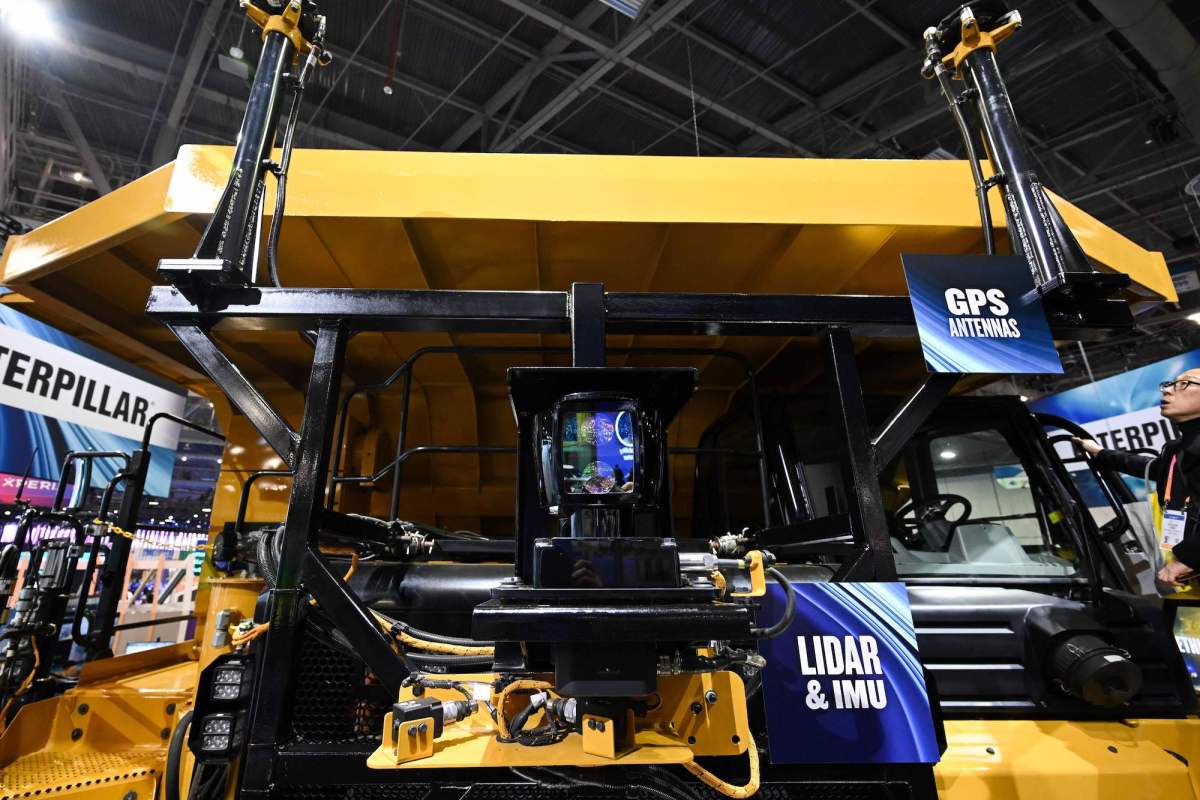
Caterpillar began developing autonomous equipment in mining, where hazardous conditions and labour shortages made automation especially useful. Its autonomous toolkit now includes automated haul trucks, drilling equipment, underground loaders, dozers, remote-controlled construction machinery, fleet management software and remote terrain intelligence, according to TechCrunch.
The company is now extending those lessons to jobsites, quarries, construction environments and internal business operations. One example is the Cat AI Assistant, which allows field technicians to use voice commands to find repair procedures, troubleshoot potential problems and identify parts before starting work. The assistant uses Caterpillar’s connected-machine data and is being used by customers, operators and technicians, as reported by TechCrunch.
Caterpillar also uses AI to scan sites, create digital twins for manufacturing analysis, modernise older software, generate and test code, and identify defects earlier. The company has approximately 1.6 million connected assets and more than 16 petabytes of structured data, according to the same TechCrunch report.
However, Caterpillar’s chief technology officer Jaime Mineart highlighted that the difficult part is not building autonomous technology. The real challenge is incorporating it into customer jobsites and existing workflows. The company is also retraining employees so that people can work effectively alongside autonomous systems. Caterpillar plans to train its 118,000 employees in AI, autonomy and robotics over five years, with the training initiative reported at TechCrunch.
Why This Matters for Malaysian SMEs
Most Malaysian SMEs do not operate autonomous mining trucks, but they face the same operational problem in a smaller setting: important knowledge is often trapped in people’s experience, WhatsApp messages, spreadsheets and paper documents.
Consider a local air-conditioning service company. An experienced technician may know which fault codes commonly appear in a particular building, which parts should be carried to a site and which customers require special access arrangements. If that employee is unavailable, a newer technician may spend more time searching for answers or calling the office. An AI assistant connected to approved service records could help the technician retrieve procedures, past job notes and parts information using a mobile device.
The same idea applies to a Malaysian food manufacturer. Production staff may know which machine settings work best for different batches, while supervisors understand the causes of recurring quality issues. If those decisions are not documented consistently, an AI tool cannot provide dependable guidance. The first step is to capture the knowledge in structured work instructions, maintenance logs and quality records.
A distributor or wholesaler can also apply this principle. A staff member could use an internal assistant to check product specifications, answer common customer questions, draft a quotation or identify stock that matches a buyer’s requirements. Yet the assistant should draw from current product records and approved sales policies, not from random files stored across multiple folders.
For a Malaysian construction SME, AI may help summarise site reports, flag missing safety documentation, organise subcontractor updates or compare progress against a project schedule. But the system will only be useful if site teams already follow a consistent reporting process. If every supervisor records information differently, the AI will have difficulty producing accurate alerts.
Practical lessons for your business
| Caterpillar’s lesson | What you can do |
|---|---|
| AI must fit daily workflows | Map the current process before selecting an automation tool. |
| Experienced workers hold valuable knowledge | Interview senior staff and turn repeated decisions into documented procedures. |
| Connected data improves assistance | Keep customer, stock, job and service records consistent and accessible. |
| Automation changes responsibilities | Train employees for review, exception handling and higher-value decisions. |
| Technology needs supervision | Require human approval for sensitive, safety-related or customer-facing actions. |
Start With One Repetitive Workflow
You do not need to automate your whole company at once. Select one process that is frequent, rules-based and easy to measure. Examples include replying to common enquiries, preparing delivery updates, sorting incoming documents, creating service summaries or reminding customers about appointments.
Document the process before introducing AI. Write down who receives the request, where information is stored, what decisions are made, which approvals are required and what happens when something is unusual. This exercise often reveals duplicated data entry, unclear ownership and unnecessary delays.
Next, create a controlled pilot with a small group of employees. Give them clear instructions on what the AI tool may do, what it must not do and when a human must check the result. Keep a record of errors and feedback. The aim is not to prove that AI is impressive; it is to determine whether the workflow becomes more consistent and easier to manage.
“The hard part about autonomy and about physical AI is incorporating that technology into the customer jobsite and into the workflows,” Caterpillar CTO Jaime Mineart told TechCrunch. The same principle applies to office, retail and service workflows.
The Bigger Picture
Caterpillar’s experience points to a broader change in how businesses should think about AI. The winning advantage may not come from having access to a tool that everyone else can also use. It may come from organising your company’s own operational knowledge so that technology can apply it consistently.
This is particularly important for SMEs because a small team often depends heavily on a few experienced employees. When those employees are busy, absent or leave the company, work can slow down. Documented procedures, searchable records and carefully designed AI assistance can help preserve institutional knowledge without removing human responsibility.
The trend also means job roles will change. A technician may spend less time searching for manuals and more time solving complex problems. An administrator may spend less time copying information between systems and more time checking exceptions. A manager may receive earlier warnings about delayed jobs, missing documents or unusual customer activity.
For your business, the priority should be practical readiness: clean data, clear processes, trained staff and sensible controls. Start with a workflow where better information can improve response time or reduce avoidable errors. Then expand only after your team understands what works.
Caterpillar’s mining-to-AI journey offers a straightforward message for Malaysian SME owners: automation is not a replacement for operational discipline. It is an amplifier. When your process is clear, AI can make it faster and easier to manage. When your process is confused, AI may simply make the confusion move faster.
Ready to Streamline Your Operations?
Technology moves fast. Your operations should keep up. AutoRunBiz builds AI systems that run your daily workflows — from WhatsApp order capture to accounting. Book a free 15-min ops audit →