
AI only helps when your daily work is ready for it
You may already be exploring AI for customer replies, quotations, stock updates, reports, or internal administration. Yet the first trial often produces mixed results. The tool may be impressive, but your team still works from scattered spreadsheets, WhatsApp messages, paper forms, and information held in someone’s memory.
That is the problem many larger organisations face too. Caterpillar built automation for mining equipment, but discovered that deploying technology successfully also requires changes to workflows, employee roles, training, and operating habits. Its experience offers a useful lesson for your business: AI adoption is not just a software decision. It is an operations decision.
TL;DR: Start with one repetitive workflow, organise the information it depends on, and involve the employees who perform the work every day. Measure whether the process becomes faster, more consistent, and easier to supervise before expanding.
What This Means
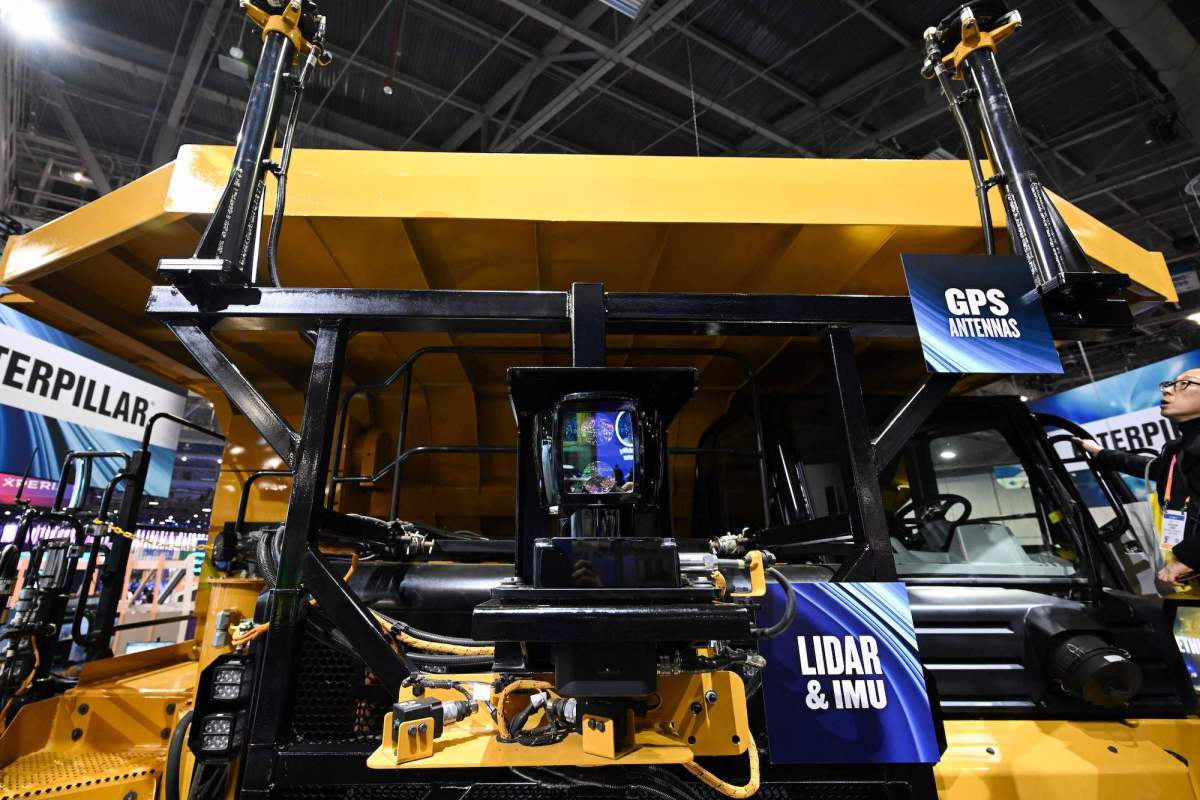
Caterpillar began applying autonomous technology in mining, where equipment operates in hazardous environments and labour shortages make automation valuable. Its systems include automated haul trucks, drilling equipment, remote-controlled machinery, fleet management, and command centres. The company is now applying lessons from those physical systems to AI tools used by technicians, employees, and customers.
One example is the Cat AI Assistant. A technician standing beside a machine can use voice commands to find repair procedures, investigate possible faults, and identify parts before starting work. The usefulness of this assistant does not come from AI alone. It depends on Caterpillar having reliable technical documents, machine information, repair knowledge, and a clear process for acting on the answer.
The company reportedly has about 1.6 million connected assets globally and more than 16 petabytes of structured data, according to TechCrunch. Your SME will not have anything close to that scale, and you do not need it. The principle is simpler: an AI assistant can only provide dependable help when the underlying information is organised, current, and accessible.
Caterpillar also highlights the human side of deployment. Experienced operators help train AI systems because they understand the work, exceptions, and risks that may not appear in formal documents. As machinery becomes more autonomous, employees may move from controlling one machine to supervising several from a remote command centre. Their jobs change, rather than simply disappearing.
“The hard part about autonomy and about physical AI is incorporating that technology into the customer jobsite and into the workflows.” — Jaime Mineart, Caterpillar CTO, as reported by TechCrunch
How This Applies to Malaysian SMEs
1. Your business information must be usable before AI can help. Imagine you run a small distributor in Selangor. Product specifications are kept in an old Excel file, current stock is updated in a messaging group, and delivery instructions are stored in individual salespeople’s phones. An AI tool may draft a quotation, but it cannot reliably know which item is available, which customer has special terms, or which delivery date is realistic. Before automating quotations, bring product, customer, and stock information into a consistent system.
2. Start with a workflow, not a general request to “use AI”. A Klang Valley renovation contractor might choose site reporting as its first project. Every supervisor can submit the same details: site, date, workers present, materials received, completed tasks, delays, photographs, and follow-up actions. Automation can then turn the submission into an internal update and alert the office when a material or approval is missing. This is more practical than asking employees to experiment randomly with a chatbot.
3. Your experienced employees should help design the automation. A senior technician, warehouse leader, or customer service supervisor knows the exceptions that a new system may miss. In a Penang machinery maintenance company, an experienced technician can identify which symptoms require an immediate site visit, which parts are commonly substituted, and which repair steps require approval. Capture that knowledge in checklists, standard operating procedures, and searchable records before asking AI to assist with diagnosis or job preparation.
4. AI should support supervision, not remove accountability. A Johor wholesaler may use automation to flag unusual orders, suggest replenishment quantities, or prepare customer follow-ups. Someone still needs to review exceptions, approve sensitive actions, and correct inaccurate records. Define which tasks the system may complete automatically and which require a human decision. This is especially important for customer promises, compliance records, payroll information, and operational safety.
5. Prepare people for changed responsibilities. When an automated system handles routine data entry, your employees may spend more time checking exceptions, speaking with customers, solving service issues, or coordinating suppliers. Explain this clearly. Give staff time to practise the new process, and appoint one person to collect feedback during the first few weeks. Training does not need to be complicated, but it should be tied to actual work your team performs.
A simple SME readiness check
| Area | Question to ask | Practical first step |
|---|---|---|
| Workflow | Is the process repeated regularly? | Choose one process that happens at least weekly. |
| Information | Are the required records accurate and easy to find? | Create one approved location for key documents and data. |
| Ownership | Who checks the result? | Name one employee responsible for reviewing exceptions. |
| Training | Do staff know what changes in their daily work? | Run a short walkthrough using a real example. |
| Measurement | How will you know the process improved? | Track turnaround time, errors, missed follow-ups, or rework. |
Practical Takeaways
- Map the current process first. Write down who receives the request, what information is needed, what approvals are required, and where the work ends.
- Select a contained use case. Good starting points include enquiry classification, quotation preparation, appointment reminders, purchase request routing, service reports, and document search.
- Clean up repeated information. Standardise customer names, product codes, job statuses, file names, and approval categories.
- Include frontline staff. Ask the people doing the work where delays, duplication, and mistakes occur.
- Set boundaries. Decide what AI may draft, recommend, or complete, and what must receive human approval.
- Test with real examples. Use normal cases as well as unusual cases, incomplete requests, spelling variations, and urgent exceptions.
- Measure before and after. Record a baseline for response time, correction work, missed tasks, or processing delays before introducing automation.
- Review access and privacy. Limit sensitive customer, employee, and business information to the people and systems that genuinely need it.
- Improve the workflow before adding another tool. A clearer process often delivers more value than a larger collection of disconnected applications.
The Bigger Picture
Caterpillar’s example shows that successful AI deployment is an organisational capability. The company is using AI for technician assistance, digital twins, enterprise operations, and software development, while also planning workforce training in AI, autonomy, and robotics. The reported training plan covers 118,000 employees over five years, according to TechCrunch.
For a Malaysian SME, the scale is much smaller, but the sequence is similar. First, make work visible. Next, standardise the information and decisions involved. Then introduce assistance where it reduces repetitive effort without weakening accountability. Finally, teach your team how to supervise, correct, and improve the system.
This approach also helps you avoid a common mistake: buying technology before deciding what problem it should solve. If your sales team cannot see the latest customer status, a new AI writing tool will not fix the underlying coordination issue. If service records are incomplete, an AI troubleshooting assistant may simply produce confident answers from unreliable information.
Over time, SMEs that build clean workflows will be better positioned to adopt new tools as they become available. Your advantage will not come from having the most complicated system. It will come from having dependable information, clear ownership, and employees who understand how technology fits into their work.
Your next step: choose one repeated process this week, document how it currently works, and ask the employee closest to it what should be improved first. That conversation is a stronger starting point than a broad instruction to “add AI” to the business.
Ready to Streamline Your Operations?
Your business should run itself. AutoRunBiz deploys AI agents to automate your daily operations — WhatsApp orders, invoicing, customer follow-ups, and accounting. Book a free 15-min ops audit to see where automation fits your business →