
Fuel Quota Changes: What Malaysian SMEs Should Prepare For
If your business depends on daily travel, deliveries, service calls, site visits, or staff using company vehicles, fuel availability is an operational issue—not just a personal household concern. A change in subsidised fuel quotas can affect how you plan routes, record vehicle use, and manage customer commitments.
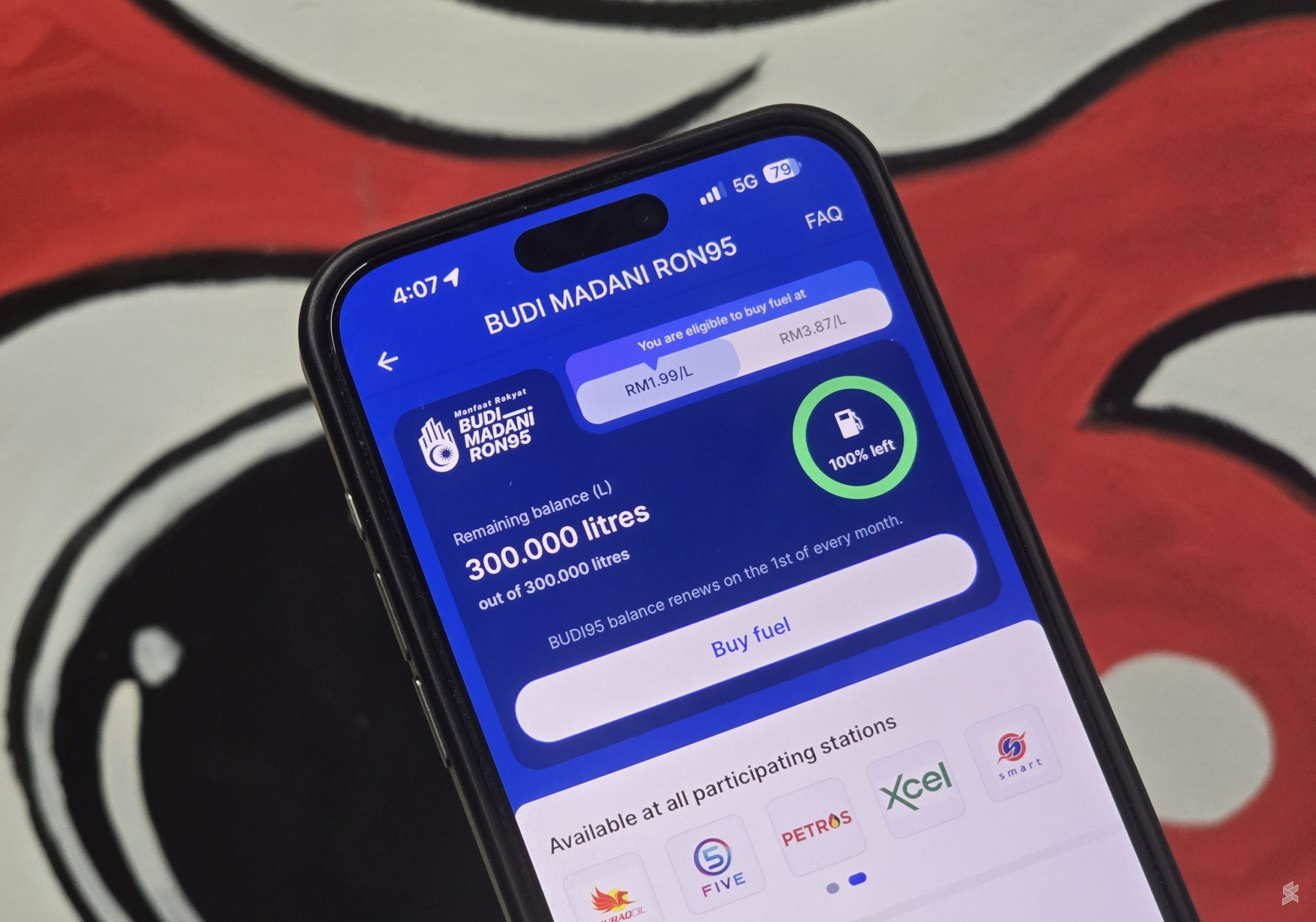
From 1 September, the BUDI95 subsidised RON95 quota is restored to 300 litres, while the BUDI Diesel quota is increased to 400 litres, according to SoyaCincau. For Malaysian SMEs, the practical question is not simply whether the quota is higher. It is whether your current fuel-monitoring and job-scheduling processes can help you use that allowance responsibly.
TL;DR: The restored RON95 quota and higher diesel quota may give eligible users more room for essential travel. You should still track fuel by vehicle, driver, route, and job so that extra quota does not hide inefficient operations or create disputes.
The quota change is also a useful reminder to review how your business handles transport records. A simple digital log can show which trips are necessary, which routes are inefficient, and where fuel usage needs closer attention.
What This Means
BUDI95 and BUDI Diesel are targeted fuel assistance programmes. The reported change restores the subsidised RON95 quota to 300 litres from 1 September and raises the BUDI Diesel quota to 400 litres. These figures and the effective date come from the source report by SoyaCincau.
In plain language, eligible users may have a larger monthly subsidised fuel allocation than under the previous arrangement. However, a quota is not the same as unlimited fuel. Your business still needs clear records, sensible trip planning, and a process for checking whether fuel use matches actual work completed.
For an SME, this matters because vehicle-related activity is often spread across many people. One technician may visit several customer sites. A salesperson may travel between towns. A delivery driver may make multiple stops in one day. Without a reliable record, you may know the total fuel used but not whether it was used for customer work, personal travel, idling, detours, or unauthorised trips.
More fuel allowance gives you more operating room, but better records give you better control.
How This Applies to Malaysian SMEs
1. Delivery and distribution businesses
If you operate a bakery, mini-market supply business, food distributor, pharmacy delivery service, or online fulfilment operation, your vehicles may make several trips each day. A higher diesel quota may support more consistent deliveries, but only if routes are planned carefully. Record the delivery date, vehicle number, driver, destination, customer orders, and starting and ending mileage.
This information helps you compare fuel usage against completed deliveries. For example, if two vehicles cover similar areas but one uses noticeably more fuel, you can investigate route choices, excessive idling, vehicle condition, or incomplete delivery runs. You can also group nearby customer stops into a single route instead of sending vehicles back and forth across town.
2. Contractors and service companies
Air-conditioning contractors, plumbers, electricians, pest-control operators, renovation teams, and maintenance companies often depend on vans or pickup trucks. Your fuel requirement changes with the number of jobs, distance between sites, equipment carried, and emergency call-outs.
A job-management form can connect fuel activity to each work order. When a technician starts a job, record the customer location and vehicle mileage. When the job is completed, record the finish time and status. This gives you a clearer picture of whether a trip produced a completed service, required a return visit, or was cancelled after the vehicle had already travelled.
That record is valuable when customers question arrival times or when you need to understand why a particular week used more fuel. You do not need a complicated system. A mobile form linked to a shared dashboard can be enough for a small team.
3. Agriculture, construction, and site-based operations
Small farms, nurseries, construction teams, landscaping companies, and cleaning contractors may use diesel vehicles and equipment across different sites. In these businesses, fuel is often collected by one person and used by several workers. That creates a risk of incomplete records and confusion over which site consumed the fuel.
Create a simple fuel issue record showing the date, equipment or vehicle, project site, operator, litres received, and purpose. If fuel is stored at your premises, include a stock count at the beginning and end of each workday or workweek. The reported BUDI Diesel quota increase to 400 litres may provide additional allowance for eligible users, but your internal records should still show where the diesel went. The quota figure is reported by SoyaCincau.
4. Sales teams and owner-managed businesses
Not every business operates a delivery fleet. You may have one company car used by the owner, sales representative, or purchasing staff. Even then, fuel records can help separate customer visits, supplier trips, bank errands, and personal use.
Use a shared vehicle calendar or digital logbook. Ask the driver to enter the purpose of each trip immediately after returning. This takes only a short time and prevents end-of-month guesswork. It also gives you useful information when deciding whether several appointments can be combined into one journey.
Key Figures to Keep in Your Operations Dashboard
| Item | Reported figure or action | Why it matters |
|---|---|---|
| BUDI95 subsidised RON95 quota | 300 litres from 1 September | Use it as a planning reference for eligible petrol users; verify your own eligibility and account status. |
| BUDI Diesel quota | 400 litres from 1 September | Useful for diesel-dependent vehicles and operations; match usage to vehicles, sites, or jobs. |
| Fuel record frequency | Every refuelling event | Captures the vehicle, driver, date, quantity, and purpose while details are still fresh. |
| Trip review | Weekly | Highlights repeated routes, unnecessary detours, excessive idling, and unusual usage. |
| Quota review | At month-end | Shows whether actual business activity is consistent with allocated fuel usage. |
The quota figures and start date in the table are based on the source article. Programme rules, eligibility requirements, and implementation details can change, so check the official government channels before making a major operational decision.
Practical Takeaways for Your Business
- List every vehicle and equipment unit: Record the registration number, fuel type, assigned driver, and main business purpose.
- Use one fuel form: Capture date, vehicle, driver, litres, odometer reading, station, and trip purpose.
- Connect fuel to work: Link each trip to a delivery order, service ticket, project, or customer visit where possible.
- Review unusual usage: Check large refuelling amounts, repeated short trips, long idling periods, and mileage that does not match the work completed.
- Plan routes before departure: Combine nearby appointments and schedule deliveries by area.
- Set clear vehicle rules: State when company vehicles may be used after working hours and how personal trips must be recorded.
- Keep supporting evidence: Store digital receipts, delivery notes, job photos, and mileage records together.
- Check official updates: Confirm eligibility, quota rules, and effective dates through the relevant government systems before relying on the allowance.
A Simple Digital Workflow You Can Start This Week
Start with a mobile form that every driver can access from a phone. The form should require the driver to select a vehicle, enter the mileage, upload a receipt, and choose a trip purpose. Avoid too many fields; if the process is difficult, people will delay completing it.
Send the responses to a central spreadsheet or dashboard. At the end of each week, review total litres by vehicle, kilometres travelled, jobs completed, and unusual entries. Assign one person—such as an operations supervisor or office administrator—to follow up on missing information.
You can also create alerts for practical exceptions. For example, flag a refuelling entry without a receipt, a vehicle with no mileage update, or a driver who repeatedly submits fuel records several days late. These small checks can prevent larger administrative problems.
The Bigger Picture
The quota adjustment may provide short-term breathing room for eligible motorists and businesses that depend on transport. The longer-term lesson for SMEs is that fuel policy changes can affect scheduling, delivery promises, vehicle allocation, and operating procedures.
As your business grows, informal fuel handling becomes harder to manage. More vehicles mean more drivers, more receipts, more routes, and more opportunities for mistakes. A basic automation system can turn scattered records into a useful operating view without requiring a large technical team.
For you as an SME owner, the goal is not to monitor people unnecessarily. It is to make sure business resources are connected to business results. When you know which vehicle completed which job and how much fuel it used, you can plan with greater confidence, respond to customer questions faster, and spot operational problems earlier.
The restored BUDI95 quota of 300 litres and increased BUDI Diesel quota of 400 litres are important reference points, as reported by SoyaCincau. Treat them as a prompt to strengthen your records—not as a reason to stop reviewing fuel usage. A clear process today will help your business adapt when quotas, eligibility rules, or operating conditions change again.
Ready to Streamline Your Operations?
Your business should run itself. AutoRunBiz deploys AI agents to automate your daily operations — WhatsApp orders, invoicing, customer follow-ups, and accounting. Book a free 15-min ops audit to see where automation fits your business →