
Could Your Payroll Process Be Easier to Manage?
As a Malaysian SME owner, you may already know how much time payroll can consume. You need to confirm attendance, calculate salaries, check deductions, prepare payment files, answer staff questions, and keep records for your accountant. When a new employee joins or a bank account is unavailable, the process can become even more difficult.
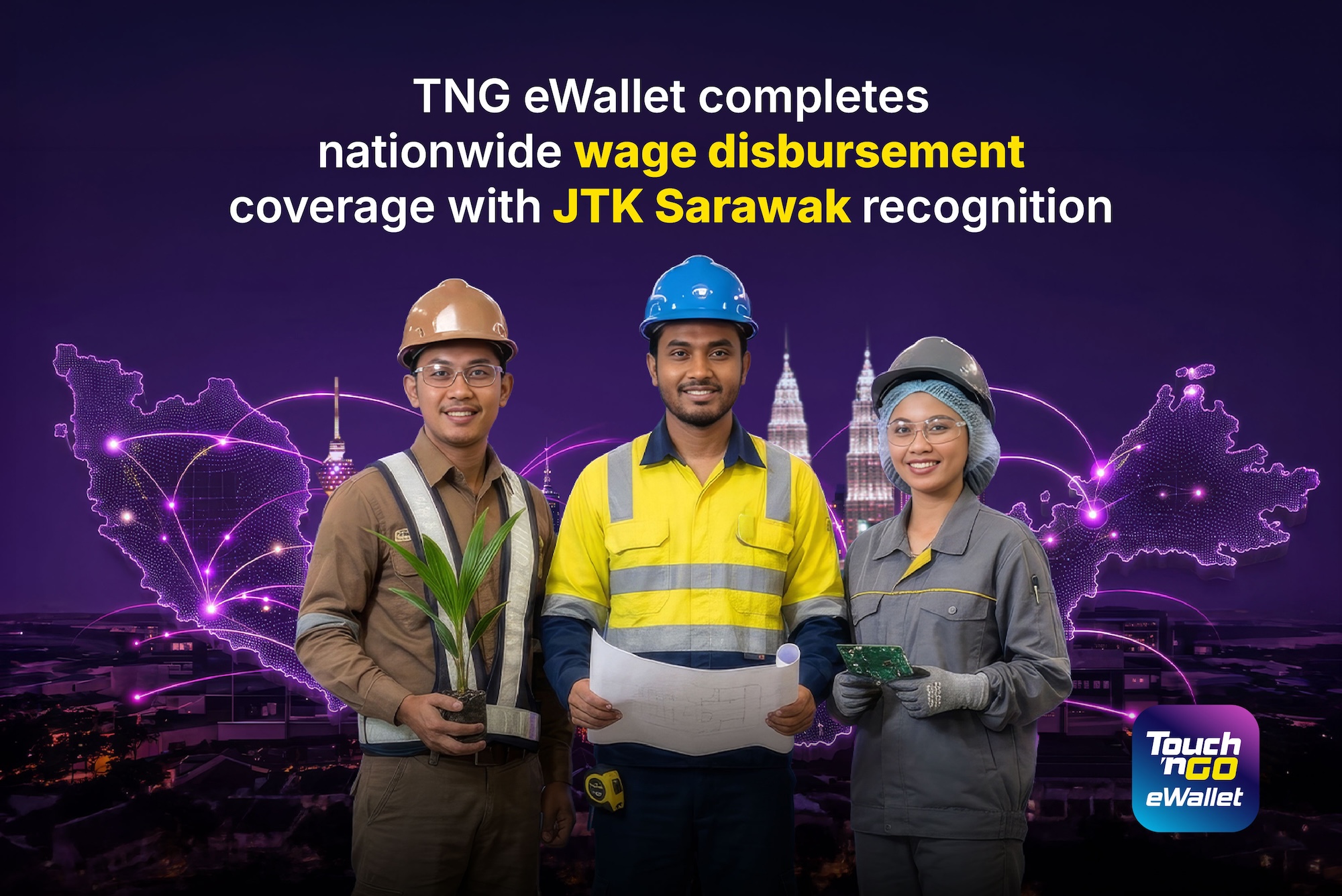
The expansion of TNG eWallet as an option for salary payments gives you another way to think about payroll administration. According to the source article, TNG eWallet can now be used for salary payments nationwide, including workers in Sarawak, and more than RM5.7 billion in wages had been disbursed in 2026 at the time of reporting. Source: SoyaCincau
TL;DR: TNG eWallet may provide Malaysian SMEs with an additional salary payment channel. However, you still need proper payroll calculations, employee consent, payment records, and compliance checks before changing your process.
The practical point: an easier payment channel does not replace good payroll controls. It can support them when used carefully.
What This Means
In plain language, salary payments do not necessarily have to be sent only through a traditional bank account. An eligible employee may be able to receive wages through TNG eWallet, subject to the relevant service conditions, employer process, and applicable employment requirements.
This matters because payment access can be a real operational issue. Some employees may be new to Malaysia, waiting for a bank account, working on short-term assignments, or more comfortable using a recognised e-wallet for daily transactions. A digital wallet can also give employees faster access to funds through an app they already use.
For you, the key distinction is between calculating salary and delivering salary. Your payroll system or spreadsheet still needs to calculate basic pay, overtime, allowances, statutory deductions, unpaid leave, and net salary. TNG eWallet would simply be one possible destination for the net payment.
“A new salary payment channel can simplify delivery, but accurate payroll records remain your responsibility.”
The source article reports that the service is available nationwide and references approval involving the Sarawak Labour Department. Read the full report from SoyaCincau. Because product rules and employment requirements can change, confirm the latest process directly with TNG eWallet and your payroll or employment adviser before implementation.
How This Applies to Malaysian SMEs
1. You can support workers who are still arranging banking access. Suppose you run a restaurant, cleaning company, construction subcontracting business, retail outlet, or logistics operation. New employees may begin work before every administrative detail is complete. A digital payment option could help you create a more orderly process for receiving wages, rather than relying on cash or informal arrangements. You should still verify the employee’s identity and obtain the correct account details through a documented process.
2. You can separate payroll preparation from payment delivery. Many small businesses manage payroll using spreadsheets, messaging applications, and manual bank transfers. That creates room for duplicate payments, incorrect amounts, or missing proof of payment. If you use TNG eWallet for selected employees, treat it as part of a controlled workflow: calculate payroll, obtain approval, release payment, and save the transaction record. The payment method should fit into your existing records instead of creating another disconnected step.
3. You may find it useful for distributed or mobile teams. If your employees work across different sites, states, or customer locations, a digital wallet may be convenient for some staff. This could apply to field technicians, delivery teams, event crews, sales representatives, or seasonal workers. The benefit is not simply speed. It is having a clear, repeatable method that can be explained to employees and checked by your administrator.
4. You need to communicate choices clearly. Never assume every employee wants the same payment method. Some may prefer a bank account for household commitments, while others may use an e-wallet for everyday spending. Explain whether the option is voluntary, what information is needed, when payment will be made, and where the employee can obtain a payment record. Clear communication reduces disputes and avoids the impression that your company is changing payroll without consultation.
5. You must retain evidence for every payment. A screenshot alone may not be enough for your internal controls. Keep payroll summaries, payslips, employee payment instructions, approval records, transaction references, and any returned-payment details. Your accountant or auditor should be able to trace the amount from attendance and payroll calculation through to final payment.
A Simple Payroll Comparison
The following table shows how different payment channels may fit different situations. These are practical workflow considerations, not claims about product capability. Check current terms before selecting a method.
| Payment channel | May suit | Control you should keep |
|---|---|---|
| Bank transfer | Employees with established bank accounts | Bank confirmation and payroll reconciliation |
| TNG eWallet | Employees who prefer an eligible digital wallet arrangement | Verified wallet details and transaction reference |
| Cash | Limited exceptional situations only | Signed acknowledgement and strong approval controls |
Practical Takeaways for Your Business
- Confirm eligibility first. Check the latest TNG eWallet requirements, employer onboarding process, employee requirements, limits, and supported payment arrangements.
- Ask for written employee instructions. Do not copy payment details from an informal chat without verification.
- Use two-person checking. One person prepares payroll and another reviews employee names, amounts, and destination details before release.
- Keep a consistent payroll cut-off. Set a clear date for attendance, overtime, leave, and allowance submissions.
- Issue proper payslips. A payment receipt does not replace a breakdown of salary and deductions.
- Reconcile after payment. Match the payroll register to completed transactions and investigate failures promptly.
- Protect access. Use separate user accounts where available, strong passwords, and limited administrator permissions.
- Prepare a backup plan. Decide what happens if a wallet is inactive, details are incorrect, or a transaction is delayed.
- Review statutory obligations. Confirm that your payroll setup continues to handle the relevant employment records and statutory deductions correctly.
- Automate the repetitive parts. A payroll or business automation system can help you standardise calculations, approvals, payslips, and reconciliation before payment is released.
A Sensible Implementation Plan
Start with a small, controlled pilot rather than changing every employee’s payment method at once. Select a few willing employees, document their consent and payment details, and run the process alongside your normal payroll review. Compare the payroll register, payment confirmation, and payslip for each person.
Next, write a short internal procedure. It should explain who prepares payroll, who approves it, how payment details are verified, how failed transactions are handled, and where records are stored. This procedure is valuable even if your business has only a few employees because it prevents payroll knowledge from sitting with one person.
Finally, review the process after one or two payroll cycles. Ask whether employees received payments on time, whether administrators could reconcile transactions easily, and whether any records were difficult to obtain. If the process creates more manual work than it removes, improve the workflow before expanding it.
The Bigger Picture
The broader trend is that Malaysian businesses now have more digital options for managing routine financial administration. Salary payment is becoming part of a connected workflow involving payroll calculation, employee identity, approvals, digital records, and payment confirmation.
For SMEs, this does not mean you need a complicated system. It means you should design your processes around accurate information and clear responsibility. The best payment channel is the one that your business can manage reliably, your employees can use confidently, and your records can support during an internal review.
The reported RM5.7 billion in wages disbursed through the service in 2026 indicates that digital wallet salary payments are already operating at significant scale, according to SoyaCincau’s report. Source: SoyaCincau Still, scale does not remove the need for careful payroll governance at your company.
Your next step is simple: review your current payroll process from attendance collection to payment reconciliation. Identify where errors, delays, or repeated manual tasks occur. Then decide whether an additional payment option such as TNG eWallet would solve a real problem for your employees and administrators. If it does, introduce it with documented controls rather than treating it as an informal shortcut.
Ready to Streamline Your Operations?
Your business should run itself. AutoRunBiz deploys AI agents to automate your daily operations — WhatsApp orders, invoicing, customer follow-ups, and accounting. Book a free 15-min ops audit to see where automation fits your business →